
Water Aerobics: A Gentle Exercise for Arthritis Management
Water aerobics is an excellent form of exercise, particularly beneficial for individuals managing arthritis. Water offers a supportive environment that reduces strain on joints while enhancing movement freedom. Unlike land-based workouts, water aerobics diminishes the impact on sensitive areas like knees and hips. This gentle exercise helps increase circulation, improve muscle strength, and enhance overall fitness without causing excessive stress on the body. The buoyancy of water allows individuals to perform exercises they may find difficult on land. Regular participation can aid in pain management, flexibility improvement, and increased joint mobility. Additionally, engaging in these activities can lead to better balance, coordination, and stabilization of muscles. As people with arthritis experience stiffness, water aerobics provides dynamic options that help ease discomfort. Many community centers and gyms offer water aerobics classes designed specifically for beginners and those with special conditions. If you are considering incorporating water aerobics into your fitness routine, consult with your healthcare provider or physical therapist. They can provide guidance on suitable activities that align with your individual capabilities and goals. Overall, the gentle yet effective nature of water aerobics makes it an appealing choice for arthritis management.
The Benefits of Water Aerobics
Engaging in water aerobics presents numerous advantages for those dealing with arthritis. Firstly, the buoyant properties of water significantly decrease impact on joints, enabling individuals to perform exercises with reduced pain. Moreover, the natural resistance of water contributes to strength building without the use of weights. Individuals can customize their workout intensity by adjusting their movements, ensuring a safe and effective exercise regimen suited to their needs. Water aerobics improves cardiovascular health, promoting heart and lung function, which is crucial in maintaining vitality. The social aspect of group classes can also foster community engagement and motivate participants to stay committed to their fitness goals. According to studies, exercising in water not only alleviates arthritis symptoms but also has psychological benefits, reducing feelings of anxiety or depression associated with chronic conditions. Another vital aspect is how this form of exercise improves flexibility and range of motion, easing stiffness in joints. Additionally, the refreshing sensation of being in water adds enjoyment and relaxation to workouts. Consequently, water aerobics represents a comprehensive solution for enhancing physical, mental, and emotional well-being for arthritis sufferers.
Before starting any water aerobics program, it is essential to ensure safety and proper technique. One effective way to begin is by attending a class tailored for individuals with arthritis or chronic pain. Certified instructors can guide participants on how to perform exercises safely and effectively. This ensures that everyone engages in practices best suited to their individual conditions. Wearing supportive footwear while in the water can provide extra stability and comfort during workouts. Participants should also maintain hydration, as being in water can mask the sensation of sweating, potentially leading to dehydration. Always listen to your body and modify movements according to personal comfort levels. If an exercise causes pain or discomfort, stop immediately and adapt to a more comfortable activity. Additionally, warming up before entering the pool and cooling down afterward helps in preventing injuries and soreness. Stretching both before and after routines can enhance flexibility and alleviate tightness in muscles and joints. Take the time to explore various exercises available within water aerobics, such as gentle kicking, arm movements, and slow rotations, ensuring a varied and enjoyable routine. Each session can serve to contribute positively to an overall healthy lifestyle.
Creating a Routine for Success
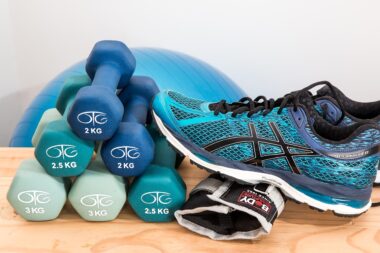
Establishing a regular schedule for water aerobics can significantly benefit individuals managing arthritis. Consistency is key, as regular participation promotes sustained improvement in fitness and well-being. Aim for at least three sessions per week, lasting about 30 to 60 minutes each. Keeping track of progress can be motivating and insightful. Participants can document how they feel before and after workouts, noting any reductions in pain or increases in mobility. This positive reinforcement encourages commitment and highlights the benefits of their efforts. Furthermore, finding a workout buddy can create accountability and foster camaraderie within the sessions. Social connections can enhance motivation and provide additional support. It is also helpful to explore different class types available, such as water Zumba or aqua yoga, to add variety and enjoyment to the routine. Those who want to work out independently may consider investing in water dumbbells or resistance bands, which can amplify the resistance and challenge their workouts. Most importantly, remember to adapt the routines to suit personal capabilities — slow down or modify exercises as necessary, ensuring a safe and effective practice. With a routine in place, individuals can continuously reap the benefits of water aerobics.
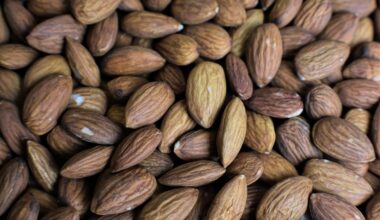
Sound nutrition plays a critical role in managing arthritis alongside physical activity such as water aerobics. The body requires proper fuel to support effective movement and recovery. Emphasize a diet rich in anti-inflammatory foods like leafy greens, fatty fish, nuts, seeds, and fruits. These foods support joint health and can help reduce inflammation levels in the body. Keeping a balanced diet that includes whole grains, lean proteins, and ample hydration will empower people to perform better during workouts. Consider incorporating nutritional supplements recommended by healthcare professionals, as they can assist in alleviating symptoms. Individuals might explore options such as omega-3 fatty acids, which show promise in reducing joint pain. Alongside this, adequate calcium and Vitamin D intake is crucial for maintaining bone strength. Engaging in mindful eating practices can also enhance awareness of food choices that either promote or hinder recovery. Moreover, understanding portion sizes can prevent excessive weight gain, which can put additional pressure on the joints. In combination with water aerobics and a balanced diet, individuals can create a holistic approach to managing arthritis symptoms effectively.
Overcoming Challenges in an Aquatic Environment
Participating in water aerobics while managing arthritis can come with its challenges. Individuals may feel apprehensive about their ability to perform in a class setting, especially if they are new to exercising. It’s essential to acknowledge these feelings and approach the situation gradually. Starting in a less crowded or quieter class may reduce anxiety and help individuals feel comfortable. Moreover, understanding that everyone in the class is there to improve their well-being fosters an environment of support and encouragement. If necessary, individuals may also consider private lessons to receive one-on-one attention and instruction. Additionally, adjusting exercise techniques based on personal physical conditions is crucial in overcoming challenges. Participants need to communicate openly with instructors about their limitations and requirements for modifications, ensuring a safe and enjoyable experience. Building confidence in swimming abilities also helps overcome fears. Practicing simple floating and basic strokes can increase comfort in water. Ultimately, persistence is key — with each session, individuals can grow more confident, strengthen their abilities, and reap the benefits of water aerobics for arthritis management.
In conclusion, water aerobics provides a gentle yet effective approach to managing arthritis symptoms. Its low-impact nature and supportive environment offer numerous physical and psychological benefits while reducing risks associated with traditional exercises. The ability to move freely in the water allows individuals to strengthen muscles, improve flexibility, and alleviate pain without straining joints. Furthermore, creating a regular routine adds structure and motivation, leading to better health outcomes. Combined with a balanced diet, individuals can put forth a comprehensive strategy against arthritis challenges. Even in the face of potential hurdles, determination and a positive environment can ensure success in water aerobics classes. Developing healthy relationships, both with instructors and fellow participants, transforms exercise into a communal activity focused on well-being and support. Adopting a mindset of progress over perfection helps maintain long-term commitment to fitness. For those interested in exploring water aerobics, local fitness centers or community aquatic programs often offer resources and classes tailored for individuals with arthritis. With the proper guidance and a willingness to engage, water aerobics can significantly enhance the quality of life for individuals navigating the complexities of arthritis.