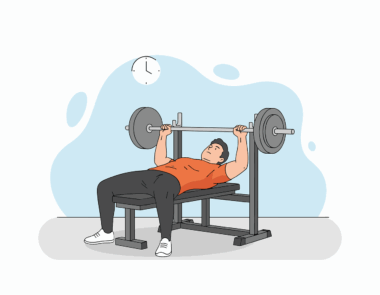

Motivational Strategies for Long-Term Fitness in Men
Pursuing long-term fitness requires more than just a workout routine; it demands a complete lifestyle transformation. Men of all ages need strategies that promote adherence to their fitness goals. Establishing clear goals is essential for motivating progress. Start by setting specific, measurable objectives to track your achievements. Define what fitness means for you personally, such as losing weight, gaining muscle, or enhancing endurance. Additionally, understanding your constraints is crucial. Time management can significantly affect your ability to maintain a fitness routine. Identify potential barriers, like a demanding work schedule or family responsibilities, and develop strategies to address these. Flexibility in your plan is necessary—if you can’t make it to the gym, consider outdoor workouts or home-based routines. The key is to remain adaptable and keep your eyes on the prize. Lastly, surrounding yourself with like-minded individuals can improve your motivation. Join fitness groups or engage with online platforms that foster community support. Remember that fitness is a journey, and every small step counts. Celebrate milestones to maintain high motivation levels and elevate your commitment.
Age-specific fitness routines are tailored strategies to meet the unique physiological and psychological needs of men at different life stages. Understanding that your body evolves over time is critical. For younger men, the focus may be on building muscle mass and endurance, whereas for older adults, maintaining flexibility and balance becomes more essential. Consult with fitness professionals to create a personalized routine that aligns with your current age and fitness level. Incorporating resistance training can help combat age-related muscle loss, while cardiovascular exercises improve heart health. As you age, injury risk increases, making proper warm-up and cool-down practices vital. Incorporate dynamic stretches before workouts to minimize injuries. Another effective strategy is to diversify your training regimen; mixing strength with aerobic activities keeps your workouts engaging and effective. Additionally, don’t underestimate the importance of rest. Adequate recovery allows your muscles to repair and grow stronger. Keep a fitness journal to log your workouts and reflect on your progress. Tracking your achievements can bolster your motivation. Nutrition also plays a vital role in fitness outcomes—focus on a diet rich in whole foods to complement your exercise routine.
Overcoming Mental Barriers
Aside from physical challenges, mental barriers often hinder men from achieving their fitness objectives. The belief that fitness must be a tedious task can impede progress. Shift your mindset by viewing workout sessions as enjoyable activities rather than obligations. Find activities you genuinely enjoy, whether it’s cycling, swimming, or martial arts, which can turn fitness into a thrilling pursuit. Consider engaging in outdoor activities, which often provide a refreshing change to standard gym routines. Setting realistic expectations can prevent feelings of frustration and disappointment. Understand that progress takes time, and every small achievement is a step forward. Mindfulness techniques, such as meditation or deep-breathing exercises, can aid in keeping you mentally focused. When you encounter setbacks, embrace them as part of the journey rather than failures. Use these experiences to assess what works and what needs adaptation. Engaging with motivational content, like podcasts, books, or success stories, can inspire you during tough times. Additionally, create a playlist of high-energy music or motivational speeches to elevate your mood while exercising; this can significantly enhance your workout experience.
Incorporating technology into your fitness regimen can provide motivation and support for achieving your goals. Fitness trackers and apps can monitor your progress, offering critical insights into your activities. Devices like smartwatches allow you to track heart rate, calories burned, and steps taken throughout the day. Set daily reminders on your mobile to encourage regular activity breaks, even during busy workdays. Virtual fitness classes have gained popularity recently; they offer flexibility and variety in workout options. Participate in live streams to engage with trainers and fellow attendees, simulating the group class experience. Social media platforms can also keep you accountable to your community and fitness goals. Join groups or follow influencers who promote active lifestyles, fostering a sense of shared motivation. Engage with fitness forums to ask questions about strategies that work and share experiences. Remember, technology should support your journey without becoming a distraction. Set boundaries around your screen time if you find you’re spending more time scrolling than sweating. Balancing offline and digital interactions ensures you derive the maximum benefit from technology while minimizing potential pitfalls.
Nutritional Strategies for Fitness
Nutrition plays a paramount role in achieving long-term fitness, especially for men focused on specific age-related goals. A nutrient-dense diet rich in whole foods can significantly enhance your fitness outcomes. Start with a balanced macronutrient intake, ensuring you consume adequate protein, fats, and carbohydrates. Protein is essential for muscle repair and growth, particularly if you engage in resistance training. Include diverse protein sources like lean meats, legumes, and dairy products. For fats, prioritize healthy fats such as avocados, nuts, and olive oil. These provide essential fatty acids that support heart health and energy levels. Carbohydrates are essential fuel for workouts; emphasize whole grains and vegetables for sustained energy. Additionally, proper hydration cannot be overlooked—stay adequately hydrated to support bodily functions and enhance performance. Consider incorporating pre- and post-workout meals that optimize recovery. Eating a combination of protein and carbohydrates post-exercise can accelerate recovery and encourage muscle synthesis. Lastly, consult with a registered dietitian to tailor your meal plans according to your specific fitness needs and preferences, ensuring you make informed choices.
Tracking progress is vital in maintaining motivation for long-term fitness. Use various methods to measure your achievements and adjustments as necessary. Logging workouts within a fitness app can keep your regimen organized and current, allowing you to see changes over time. Note improvements in strength, endurance, or weight loss to help gauge your success. It’s also beneficial to take progress photos at regular intervals to visualize your transformation. When you see tangible results, it boosts motivation. However, remember that changes may not always be linear, which is entirely normal. Implement periodic assessments to evaluate your goals, adjusting them if needed to remain realistic. Regularly reviewing your accomplishments helps to reinforce your commitment. Consider rewarding yourself for reaching certain milestones—choose non-food rewards like new workout gear, wellness retreats, or self-care days. Creating a vision board with images and motivational quotes can serve as a daily reminder of your objectives. Being mindful of your emotional and mental health during this journey is equally important; practice self-compassion and patience with the process for sustained motivation.
The Role of Support Systems
Having a robust support system can significantly enhance motivation and help maintain fitness routines over the years. Share your fitness goals with family and friends; they can encourage you to stay accountable. Additionally, working out with a partner can foster camaraderie and make exercising more enjoyable. Find friends with similar fitness levels who can challenge and uplift you throughout your journey. Participating in group classes or local sports teams fosters a sense of community, providing both motivation and enjoyment. Online platforms also offer support through virtual groups where members share experiences, ideas, and encouragement. Social connections are essential, as they can motivate and help navigate plateaus. Seeking professionals for guidance, such as personal trainers or nutritionists, can provide expert insight tailored to your unique fitness needs. Remember that everyone’s journey is different; comparing progress with others can be counterproductive. Instead, celebrate triumphs together within your circle. Establishing a reliable support network goes a long way in maintaining the motivation needed to pursue long-term fitness goals and ensures that you’re not navigating this journey alone.
Creating a sustainable fitness routine is essential for long-term adherence. To achieve lasting results, find a program that fits seamlessly into your lifestyle. Start by identifying the time slots available for exercise, which could be early mornings, lunch breaks, or evenings. Consistency is vital; commit to specific days and stick to them. Gradually increasing your workout intensity and duration over time allows your body to adapt while preventing burnout. If you enjoy various activities, consider alternating between them to keep things fresh. Incorporating a mixture of strength training, cardiovascular exercises, and flexibility workouts yields a balanced fitness regimen. Remember to include rest days in your schedule, as recovery is crucial for continual improvement. Explore interactive fitness apps, which offer programs tailored to your fitness level, lengths, and preferences, keeping your workouts engaging and personalized. Stay open to adjustments, recognizing that life circumstances may require flexibility in your routine. You’ll face challenges along the way; however, persistence is key! Embrace the process, make adjustments when necessary, and focus on the journey rather than just the results. This holistic approach leads to lasting lifestyle changes that prioritize your well-being.