
Safe Practices for High-Intensity Interval Training (HIIT) in the Gym
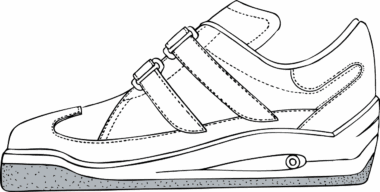
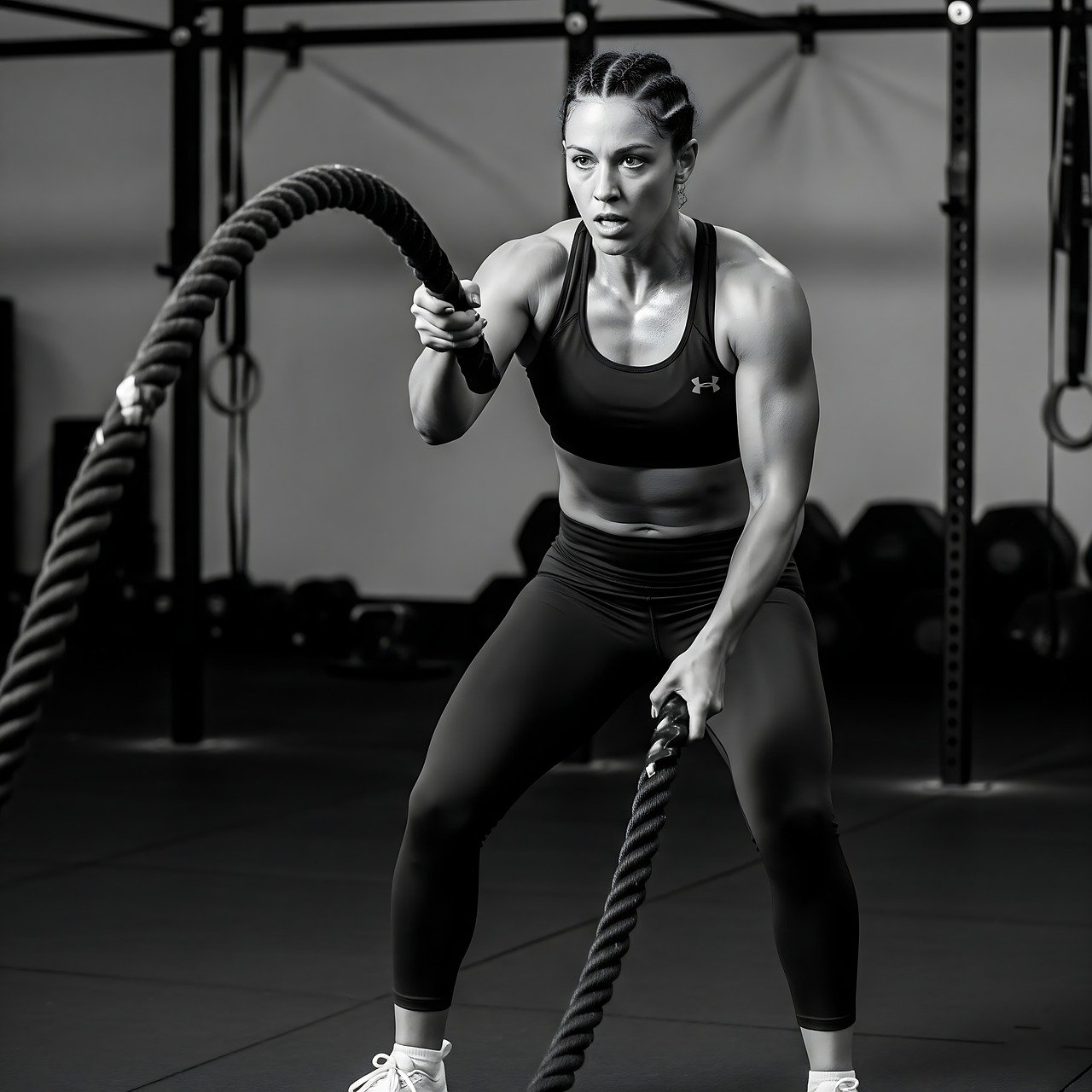
High-Intensity Interval Training (HIIT) can be highly effective, offering maximum benefits in a short duration. However, it is essential to practice safety to prevent injuries while performing HIIT workouts in the gym. Begin with a proper warm-up routine to prepare the body for intense activities. The warm-up should include dynamic stretches and light cardiovascular exercises to elevate heart rates. Also, pay attention to the form and technique of each exercise to minimize injury risk. Using proper footwear and supportive clothing can also enhance your workout experience. Don’t rush through exercises, as maintaining a controlled pace helps with form retention. Ensure that you stay hydrated to avoid fatigue. Take rests as necessary during your workout sessions to allow your body to recover adequate strength for subsequent rounds. Also, listen to your body; if something feels wrong, stop immediately. Remember that recovery plays a crucial role in training effectiveness. Consult a fitness trainer when new to HIIT to guide you through suitable exercises and techniques. Incorporating these practices can lead to a safer and more productive training experience.
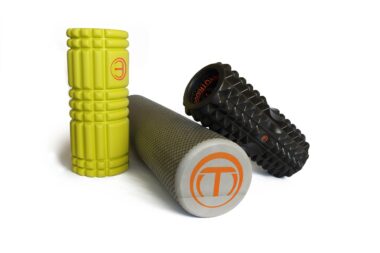
Ensuring proper hydration is crucial during high-intensity workouts, as dehydration can severely impact performance and recovery. While exercising, consider drinking water or an electrolyte drink to maintain hydration levels. It essential to hydrate before, during, and after your session to optimize recovery. Moreover, pay attention to your body signals. Symptoms such as dizziness, fatigue, and excessive sweating may indicate dehydration and the need for liquid intake. Proper nutrition is also a significant consideration when engaging in HIIT. Consuming nutrient-rich foods can enhance your energy levels and aid recovery progress. Incorporate a mix of protein, healthy fats, and carbohydrates into your diet to fuel your training. Additionally, prioritize getting adequate sleep and rest, as this facilitates muscle recovery and overall performance. Establish a consistent sleep schedule to promote better health. Seek out support from friends or trainers; they can offer encouragement and motivation during workouts. Utilizing gym tools like foam rollers and quality mats can aid in your recovery too. Each of these practices contributes significantly to creating a safe, effective HIIT environment at the gym, enhancing overall performance and enjoyment.
Correct Technique and Form Importance
Using correct technique and form during workouts cannot be overstated. Poor form can lead to injuries, especially during high-intensity exercises that challenge the body. Always focus on maintaining proper body alignment and controlled movement throughout each exercise. This not only delivers the best results but also ensures your safety while training. Engaging a qualified trainer can be beneficial to help assess and correct form issues as they arise. It is wise to incorporate a variety of exercises into HIIT routines to target different muscle groups. Ensuring a balanced workout will prevent muscle fatigue and decrease the risk of injuries during repetitive movements. Progress gradually by increasing intensity rather than attempting to maximize effort from the outset. Start with lower weights and easier modifications before advancing to more challenging combinations. Always monitor your body’s response to modifications, making adjustments as necessary. Furthermore, consider the environment around you; ensure there is sufficient space and appropriate equipment available. Bathing in the right conditions enhances safety during exercise routines, especially in fast-paced HIIT workouts.
When participating in HIIT, always be mindful of those around you. Gym etiquette is crucial and practicing it leads to a better training experience for everyone. Sharing space and equipment in the gym requires consideration; practice proper gym etiquette by allowing ample space for others while working out. Avoid dropping weights abruptly, as this can pose safety hazards for others around you. Use equipment as intended and follow gym rules for the safety of everyone. When finishing your set, rerack the weights and clean up any equipment used. Respecting others’ workout routines and personal space enhances a positive gym culture. Also, be aware of the noise levels you create; excessive noise can be distracting to those around you. Plan workout sessions that accommodate peak hours and consider less crowded times for optimal experience. Remain polite and considerate of fellow gym users by encouraging an atmosphere of mutual respect and support. Engaging with others positively, respecting their time and dedicated effort can create an encouraging environment for everyone involved. By nurturing these practices, gyms become places of inspiration and shared growth, enhancing safety and performance.
Rest and Recovery Importance
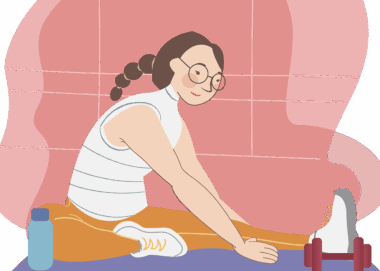
Rest and recovery are as critical as the training itself in any workout plan, especially during HIIT routines. After performing high-intensity exercises, the body requires time to recover to repair muscles and replenish energy. Scheduling rest days is vital to ensure that muscles have adequate time to recuperate. Without sufficient recovery, the risk of overtraining and injuries increases. It’s also essential to integrate active recovery techniques during these periods. Activities like light walking, gentle yoga, or stretching can aid in recovery while keeping muscles engaged and loose. Learning to recognize the difference between soreness and pain is key; if you experience sharp pain, it may signal an injury. Therefore, adjust your workout intensity accordingly. Consider engaging in other physical activities that are less intense on rest days to maintain movement while promoting recovery in a low-impact manner. Sleeping adequately at night can significantly influence the recovery process. Make sure to prioritize time for rest, as this aids in both physical and mental recovery after HIIT sessions. Addressing rest properly can lead to improved performance, ensuring preparation for the next training phase.
Furthermore, maintaining a balanced approach to workouts, nutrition, hydration, and rest is essential in mastering HIIT safely. A holistic approach leads to long-term sustainability and ultimately results in better overall fitness. Emphasize variety in your routines to keep muscles engaged and motivated. Changing the types of movements practiced can help prevent injuries caused by repetitiveness. Utilizing exercise variations facilitates muscle adaptation and reduces strain on specific areas. Incorporating flexibility and mobility training augments results while minimizing the risk of injuries. Understanding one’s limits is a vital point; physically pushing too hard can lead to burnout. Hence, incorporating flexibility into your workout will promote longevity in your fitness journey. Setting realistic training goals and noting progress aids in fostering motivation while preventing frustrations. Engage in activities you enjoy, as this will enhance adherence and the likelihood of following through with fitness plans over time. Additionally, don’t underestimate the value of mental preparation; visualize your workouts and envision your desired outcomes. Each session can help pave the way towards a fulfilling gym experience, leveraging safe practices to optimize success.
Conclusion and Overall Considerations
In conclusion, integrating safe practices during High-Intensity Interval Training effectively maximizes the benefits while protecting against injury. Incorporating hydration, proper form, nutrition, rest, and mental preparation contributes significantly to performance quality. Additionally, muscle recovery must be treated with utmost importance following high-intensity workouts. Prioritize active recovery techniques to maintain momentum while allowing for the body’s reparative processes. Being aware of gym etiquette cultivates positive experiences for all, fostering a sense of community and support within fitness spaces. Remember to seek professional guidance when uncertain, ensuring that your training habits are safe and beneficial. Focus on listening to your body to adapt your routine for optimum reflectivity throughout the HIIT workouts you engage in. By implementing these diverse elements into routine practices, gym-goers enhance their experience while building their endurance, strength, and overall fitness safely. As you embark on your workout journey, make a commitment to ensuring safety alongside efficiency to yield fruitful outcomes. Incorporating these suggestions enriches the exercise process, encouraging healthier lifestyle choices, and ultimately leading to a happier, healthier you.
Use the gym as a space for connection with others and as a platform for personal growth. Fostering a supportive environment while engaging with various exercises can lead to both physical transformation and enriching relationships. Embrace the journey of honing personal skills, recognizing that patience and persistence pave the way for habit formation. Allow room for experimentation and adjustments, as each individual’s workout journey is unique. Connecting with fellow fitness enthusiasts can pave the way for knowledge sharing, motivating one another to pursue higher standards in healthy living. Enjoy every step of your HIIT journey, and remember that the ultimate goal is a balance of fitness and overall well-being, achieved through safe, structured practices. Commit to lifelong learning, always seeking to understand how different training methods impact your health. Through active participation and dedication, each engagement becomes an opportunity for growth, leading to a fulfilled and inspired athletic existence. These comprehensive considerations empower each individual to thrive in their fitness pursuits. Making informed choices today ensures sustainable practices for tomorrow, setting the foundation for a lifetime of wellness.