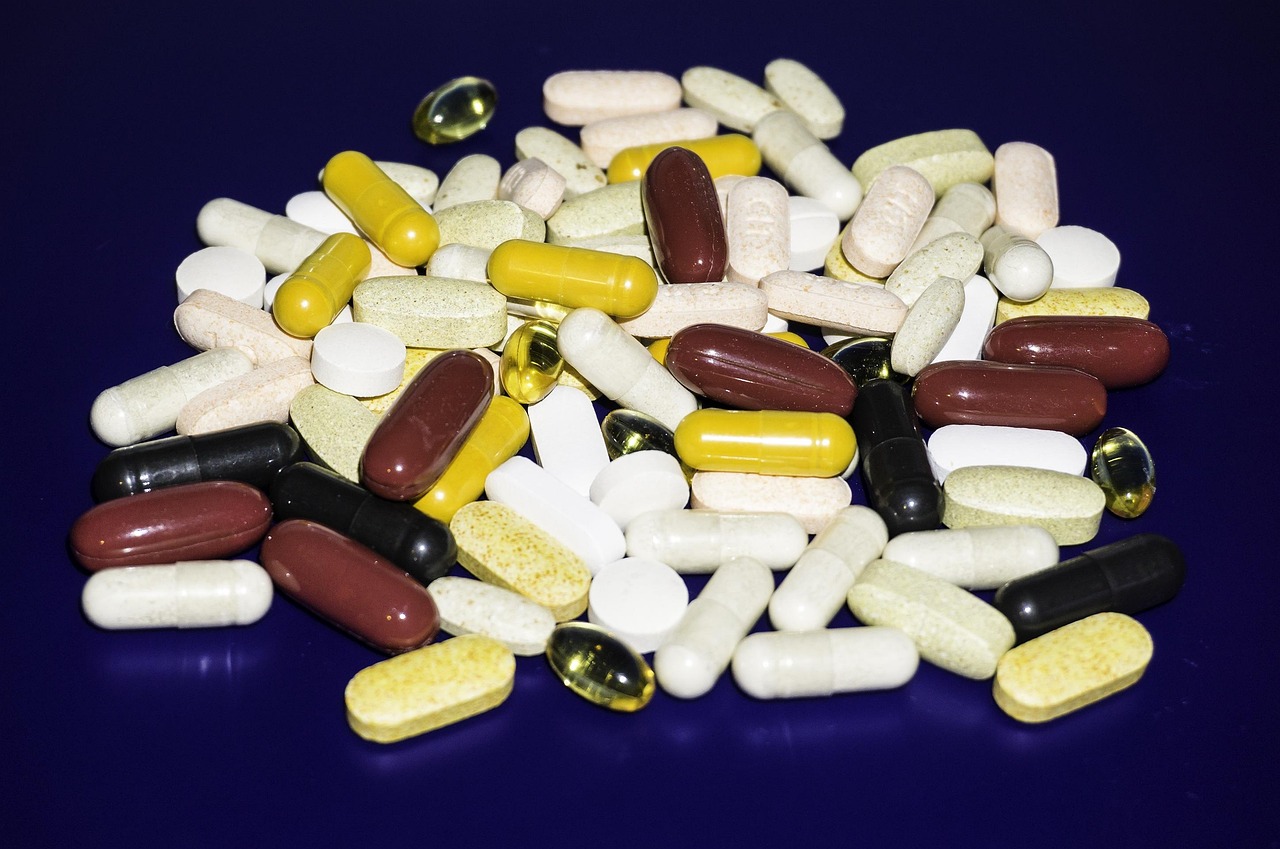

Are Multivitamins Necessary for Seniors? Experts Weigh In
As we age, our nutritional needs often change dramatically. Seniors may experience challenges in absorbing essential nutrients due to various factors, including dietary restrictions, medical conditions, or even medications. This raises a critical question: are multivitamins a necessary supplement for seniors? Nutrition experts recommend that older adults assess their dietary habits to identify potential vitamin and mineral deficiencies. Multivitamins can play a significant role in bridging the gap when a balanced diet fails to meet the body’s requirements. While they cannot replace whole foods, multivitamins can enhance nutrient intake at advanced ages. Various studies suggest that certain vitamins—like D, B12, and others—are vital for maintaining optimal health conditions among seniors. For instance, vitamin D promotes bone health, while vitamin B12 supports cognitive function. Daily multivitamin consumption has been shown to prevent deficiencies and promote overall wellness. However, before starting any supplement regimen, seniors should consider consulting with healthcare providers to personalize their nutritional needs. The importance of tailored advice cannot be overstated, as individual health statuses may considerably dictate specific vitamin requirements.
To choose the right multivitamin, it’s essential to understand what nutrients contribute most to senior health. Key vitamins and minerals such as calcium, magnesium, and omega-3 fatty acids are paramount. Calcium is crucial for supporting bone density, vital as osteoporosis becomes a risk during seniors’ later years. Magnesium plays several essential roles, including muscle function and helping regulate blood pressure. Omega-3 fatty acids, found in fish oil, can aid in cardiovascular health—a critical concern for older adults. Additionally, look for multivitamins formulated specifically for seniors, as these often contain adjusted doses tailored to their unique needs. Supplements may also feature higher amounts of specific nutrients known to benefit older adults, such as vitamin D and B12. Always check labels for the presence of synthesized forms of vitamins that might not be as effective or bioavailable. Furthermore, when assessing options, consider potential interactions with current medications, another reason for discussing any new supplement intake with a doctor. Increased awareness of potential side effects and benefits can lead to a more informed decision regarding multivitamin usage in daily life.
Scientific Perspective on Multivitamins
The scientific perspective on the necessity of multivitamins for seniors varies greatly. A myriad of studies has examined the effectiveness of multivitamins in preventing chronic diseases. Some research suggests that taking multivitamins does not significantly lower the risk of chronic diseases such as heart disease or cancer in older adults. However, other studies emphasize that seniors lacking adequate daily nutrients could benefit substantially. The key lies in recognizing that, while multivitamins can supplement dietary deficiencies, they should not act as a primary food source. Further complicating the landscape, researchers have found different benefits from various multivitamin formulations. Nutritional needs can shift depending on an individual’s lifestyle and health conditions, reiterating the importance of personalized supplementation. Relying solely on pills instead of focusing on nutrition-rich foods can lead to imbalances. Thus, while they may not be absolutely necessary for all seniors, they can certainly play a valuable role in a well-rounded nutritional strategy. The ultimate aim is to optimize health, so considering both dietary sources and supplements together is highly recommended.
When considering multivitamins, it is also crucial to understand common misconceptions. One prevalent myth is that multivitamins can rectify poor eating habits. This assumption leads many seniors to rely on multivitamins instead of pursuing a balanced diet. While supplements can support nutritional intake, they’re truly intended to complement—not replace—healthy eating. Additionally, some seniors believe that consuming higher amounts of vitamins translates to better health. In reality, excessive intake of certain vitamins can lead to toxicity, with potentially harmful effects. Educating oneself on the correct dosage and adhering to recommended guidelines is imperative. Furthermore, not all multivitamins are created equal, meaning quality can vary widely among brands. Seniors must research and select high-quality vitamins from reputable sources. It’s advisable to look for certifications or endorsements from health organizations. Consulting a physician or registered dietitian to assist in selecting high-quality supplements is wise. Ultimately, personal preference and specific health conditions should guide decisions about supplementation, ensuring seniors feel confident in achieving optimal health outcomes.
Nutritional Considerations for Seniors
Nutrition plays a pivotal role in senior health maintenance, making it essential to understand nutrient intake overall. As older adults often face challenges related to appetite, digestion, and nutrient absorption, understanding these barriers can foster healthy development. Whole foods should always be the cornerstone of a balanced diet, prioritizing fruits, vegetables, whole grains, lean proteins, and healthy fats. Emphasizing these foods helps ensure seniors receive a variety of vitamins and minerals naturally. However, it’s common for nutritional needs to shift, leading to nutrient gaps. Recognizing these gaps can help inform multivitamin choices that fill specific deficiencies. Focus on nutrient-rich foods high in antioxidants, helping to combat oxidative stress associated with aging, therefore potentially delaying illness onset. Essential nutrients such as potassium help regulate blood pressure while supporting heart health, another area of concern. Seniors should also stay adequately hydrated to enhance overall well-being. With hydration is essential for digestive health and nutrient uptake, seniors must monitor their fluid intake closely to prevent ill effects of dehydration. Careful management of nutrition and hydration can significantly enhance overall health.
Engaging in regular physical activity is also critical for seniors to maintain health, and nutrition plays an integral role in providing the energy required for exercise. Health experts advocate that older adults engage in a mixture of strength training, flexibility exercises, and aerobic activities. These physical actions promote functional independence, contributing to a better quality of life. Furthermore, nutritional needs increase during and after exercise; thus, a diet rich in protein can help enhance muscle recovery and stave off sarcopenia—the age-related loss of muscle mass. Post-exercise nutrition can be supplemented with high-value protein shakes or bars designed for seniors, which can be considered alongside daily multivitamins to ensure maximum nutrient intake. Understanding that both nutrition and physical activity support one another empowers seniors to take control of their health. Engaging in meaningful activities through social connections also benefits overall well-being. The psychological benefits of physical and social engagement significantly impact quality of life, ensuring older adults lead fulfilling lives. Evidence now shows that maintaining a strong sense of community leads to numerous health improvements, highlighting the multifaceted nature of senior wellness.
Conclusion on Multivitamin Use
In conclusion, the necessity of multivitamins for seniors rests heavily on individual health circumstances and dietary habits. They might be essential for some individuals, especially those with specific deficiencies or restricted diets, yet not necessarily for all. Seniors must ensure they maintain a diet rich in diverse whole foods, while multivitamins can serve to address occasional shortcomings. A well-balanced approach incorporates both nutritious foods and targeted supplementation to achieve optimal health outcomes. Consulting with healthcare professionals can aid in identifying particular needs before starting any multivitamin regimen. Evaluating lifestyle, existing health issues, and dietary patterns helps craft a tailored supplement plan. The consensus suggests focusing on personalized nutrition rather than a one-size-fits-all solution. Regular check-ins about diet and supplement effectiveness ensure that seniors adjust their plans as necessary. By taking charge of their health through informed dietary choices and relying on multivitamins judiciously, seniors can enhance their health quality and longevity. Ultimately, understanding realistic expectations surrounding multivitamins is essential for fostering a proactive approach to senior health and wellness.
To summarize, multivitamins can play a significant role in senior health, particularly when combined with a balanced diet and regular physical activity. They should be viewed as supportive aids rather than replacements for nutritious foods. Comprehensive strategies encompassing lifestyle changes, nutritional attention, and community support create a holistic approach to health for seniors. Engaging in beneficial activities, fostering social connections, prioritizing nutrition, and considering multivitamins bring together various dimensions of health and well-being. Through ongoing education and healthcare support, seniors can empower themselves to make informed decisions about their health. It’s vital to recognize the individuality of health journeys, emphasizing the importance of a cautious, informed approach when addressing supplementation. By focusing on essential nutrients critical for aging, seniors can better navigate their nutritional needs. Embracing a positive and proactive mindset will bolster overall health, encouraging a fulfilling and vibrant life during the golden years. By remaining open to expert advice and adjusting according to personal experiences, seniors can foster vitality, comfort, and happiness as they age gracefully.