
Foods to Avoid That May Weaken Your Immune System
Maintaining a strong immune system is crucial for overall health and wellness. However, certain foods can inadvertently weaken your immune response. One of the main culprits is added sugars. These not only provide empty calories but also can disrupt the balance of gut bacteria, making it harder for your body to fend off infections. Watch out for sweetened beverages, candies, and baked goods filled with processed sugars. Next are highly processed foods. These often contain unhealthy fats, excessive sodium, and preservatives that can compromise immune function. Stick to whole foods that are nutrient-rich and minimally processed. Refined carbohydrates, less obvious in cookies and white bread, can lead to spikes in blood sugar and inflammation. Likewise, excessive alcohol consumption can impair the immune system, reducing your body’s ability to fight off pathogens. Instead, hydrate with water and herbal teas. Fried and greasy foods also take a toll on your health, contributing to chronic inflammation and making it harder for your immune system to perform effectively. Prioritize whole, nutrient-dense foods to keep your immune system at its best.
Avoiding trans fats is another essential step. These fats, commonly found in margarine and baked snacks, can enhance inflammation in the body. Inflammation weakens immune responses, exposing you to various illnesses. Notably, food additives and artificial preservatives, often present in convenience foods, can disturb gut microbiota. Poor gut health is closely linked to a diminished immune response. You may want to check ingredient labels to avoid these harmful substances. Dairy products can also be a hidden issue for some. If you have lactose intolerance or sensitivity, dairy can lead to discomfort and inflammation, thus affecting your immune system. Furthermore, excess amounts of caffeine can contribute to sleep problems. Quality sleep is vital for a robust immune system, so consider reducing caffeine from your daily routine. Instead, trade energizing drinks for herbal options, such as chamomile or green tea. Finally, be cautious with high-sodium foods. Too much salt can elevate blood pressure and promote fluid retention. A high-sodium diet can also impair immune system functionality, so opt for fresh herbs and spices to season your meals.
Impact of Sugary Foods on Immunity
In the quest for better health, sugar stands out as a key contender when it comes to foods that weaken our immune systems. Consuming high amounts of sugar can directly alter the function of your immune cells. Studies show that sugar suppresses white blood cells, which are crucial for fighting infection. The resultant decline in white blood cell activity can leave your body more susceptible to colds, flu, and other illnesses. It’s important to be mindful of various sources of sugar, as they can frequently hide in unexpected foods. For instance, many breakfast cereals, sauces, and even bread can be surprisingly high in sugar content. Consequently, replacing sugary snacks with fruit can offer natural sweetness along with essential vitamins. Moreover, frequent sugar consumption can cause inflammation in the body. Chronic inflammation has been linked to several diseases and can exist alongside a compromised immune system. By minimizing your intake of candy, soft drinks, and baked goods laden with sugar, you’re making a vital step towards maintaining your immune health and reducing your risk of illness.
Another area to focus on for immune support is the concern around processed fats. Trans fats found in margarine and fast food are particularly detrimental. They not only increase harmful cholesterol levels but also promote systemic inflammation. The immune system is already battling numerous threats, and adding trans fats into the mix only complicates matters. Instead of opting for processed oils, consider utilizing heart-healthy alternatives like olive or avocado oil. These options contain beneficial properties that may support immune function. Additionally, mind your intake of excessive salt. It’s often hidden in packaged foods and, when consumed in large amounts, can lead to hypertension and exacerbate inflammatory responses. High-sodium diets can, therefore, indirectly affect your immune system’s efficiency. To reduce sodium intake, food preparation from scratch can allow better control over seasoning. Combining herbs and spices not only enhances flavor but also introduces antioxidants into your diet. Keep these factors in mind as you select your meals for optimal health, focusing on balance and moderation to foster a resilient immune response.
Importance of Whole Foods
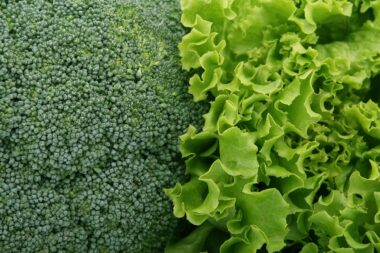
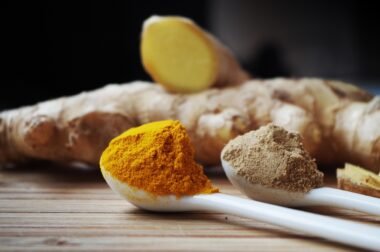
Exploring the immune-boosting benefits of whole foods can shed light on what to avoid in your diet. Whole foods such as fruits, vegetables, nuts, seeds, and lean proteins provide essential nutrients that your body needs for optimal function. The antioxidants found in these foods help to reduce oxidative stress, promoting a healthy immune system. Compare this with highly processed alternatives, which often lack these essential nutrients and are loaded with unhealthy ingredients. For example, whole grains are an excellent source of fiber, which is important for gut health. A healthy gut biome correlates with a stronger immune response. Certain foods such as citrus fruits, garlic, ginger, and leafy greens have well-documented benefits for immunity. Incorporating these foods into your daily diet is a proactive measure to safeguard your health. As you make changes, consider replacing unhealthy snacks with raw veggies and hummus or fresh fruit, which offer the nutrients that combat illness. The act of preparing meals using whole foods also provides satisfaction while ensuring you know exactly what you’re consuming, fostering a healthier lifestyle.
It’s vital to recognize the harmful effects of high-caffeine beverages on immune health. While caffeine in moderation can boost energy, excessive consumption can lead to sleep disruptions. Adequate rest plays an integral role in maintaining a strong immune system. When deprived of quality sleep, the body produces fewer cytokines, which are important for fighting infection. Consider reducing your intake of energy drinks and coffee, particularly later in the day. Instead, explore herbal teas that can provide relaxation and comfort without the side effects of caffeine. You might also notice a pattern in your cravings. Individuals who consume high-caffeine products often experience crashes that may lead them toward sugar-rich foods. Avoiding this cycle can contribute to improved overall wellness. Additionally, be cautious with processed meat consumption. These types of meats often contain preservatives such as sodium nitrite, which have been shown to adversely affect immune function. Opt for leaner meats or plant-based protein sources that provide essential amino acids without the added hormone and chemical burdens. Keeping these points in mind can guide you to make better lifestyle choices.
Conclusion
In conclusion, food choices undoubtedly play an important role in maintaining a robust immune system. Avoiding foods high in sugar, trans fats, sodium, and preservatives can significantly impact your immunity positively. Focusing on whole foods rich in nutrients is essential for empowering your immune response and promoting overall health. Sugar can compromise your body’s ability to ward off infections, while unhealthy fats and high sodium can exacerbate inflammation. Ensuring a healthy intake of hydrating beverages can also support your body’s natural defenses. Maintaining balance allows your body to cope with stress and pathogens more effectively. Equip yourself with knowledge about what choices to avoid while prioritizing nutrient-dense ingredients to keep your immune system performing optimally. Remember that small, consistent changes can lead to a stronger immune system over time. Regularly incorporating fruits, vegetables, and whole grains into your meals creates a solid foundation for health. Ultimately, nourishing your body with the right foods and fostering healthy habits will go a long way in ensuring a well-functioning immune system.
Your immune health depends significantly on what you include and exclude from your diet. By taking steps to minimize unhealthy food consumption, you empower your body to defend itself effectively. Prioritize making informed dietary decisions, and consider consulting a healthcare professional if you’re unsure about any dietary adjustments. Engaging in regular physical activity and stress management enhances these dietary changes, leading to optimal immune function. Remember that a comprehensive approach combining nutrition with lifestyle habits yields the best results.