
The Ultimate Guide to Pre-Workout Nutrition: Energy Boosting Foods
When it comes to pre-workout nutrition, the choice of energy-boosting foods plays a vital role in optimizing performance. Selecting the right kind of food is paramount to maximize energy levels, enhance endurance, and minimize fatigue during workouts. Foods that are rich in carbohydrates and moderate in protein are generally recommended, as they provide the necessary fuel for high-intensity exercises. Incorporating vitamins and minerals is equally essential, with fruits and vegetables offering a plethora of nutrients. From bananas, which are famous for their potassium content, to leafy greens packed with magnesium, hydration must also be considered. It is critical to consume these foods at the right time, usually around 30 minutes to 1 hour before the workout, to allow digestion and nutrient uptake. Keeping in mind individual dietary needs, it is advisable to try different combinations to discover what works best personally. Overall, an effective pre-workout meal should support sustained energy release and focus, pivotal in achieving desired fitness outcomes and elevating the workout experience.
Carbohydrates are the cornerstone of pre-workout nutrition due to their energy-boosting properties. For optimal performance, consuming complex carbohydrates such as whole grains, oats, and quinoa can provide sustained energy. These foods release glucose slowly, allowing for a consistent energy level throughout your workout. In contrast, simple carbohydrates like fruits and honey create quick energy spikes, effectively powering shorter, high-intensity sessions. Including a mix of these carb sources can be beneficial, depending on workout length and intensity. Moreover, combining carbohydrates with a small amount of protein helps enhance muscle repair and growth. Consider snacks like Greek yogurt with fruit or a whole-grain toast topped with nut butter as excellent choices for boosting performance. Additionally, hydration through drinking water or electrolyte-rich beverages aids in maintaining stamina and focus during physical activities. Planning your pre-workout meals with the right carbohydrate sources will prepare your body to meet the demands of intensive exercising, improving both efficiency and outcomes. Therefore, understanding and implementing effective carbohydrate intake is a key component of pre-workout energy-boosting strategies.
Protein-Rich Foods for Performance
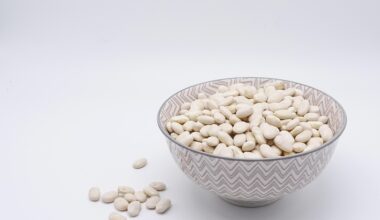
Protein plays a significant role in repairing muscles and should be incorporated into your pre-workout meals. Foods such as lean meats, eggs, Greek yogurt, and protein shakes provide essential amino acids necessary for muscle synthesis and recovery. Consuming protein before a workout can prevent muscle breakdown and support muscle retention during intense training sessions. It is advisable to opt for protein sources that digest easily to avoid any gastrointestinal discomfort during workouts. For instance, egg whites are an excellent option due to their high quality and rapid digestibility. Plant-based options, such as beans and lentils, also offer protein along with beneficial nutrients. Experimenting with portion sizes helps determine what feels best for your body, allowing for a balance between energy and comfort. Further, pairing protein with carbohydrates can enhance muscle recovery while still providing energy for your training. A smoothie with protein powder, banana, and a handful of spinach serves as a nutritious example of a balanced pre-workout meal. Therefore, the inclusion of protein-rich foods can optimize pre-workout nutrition.
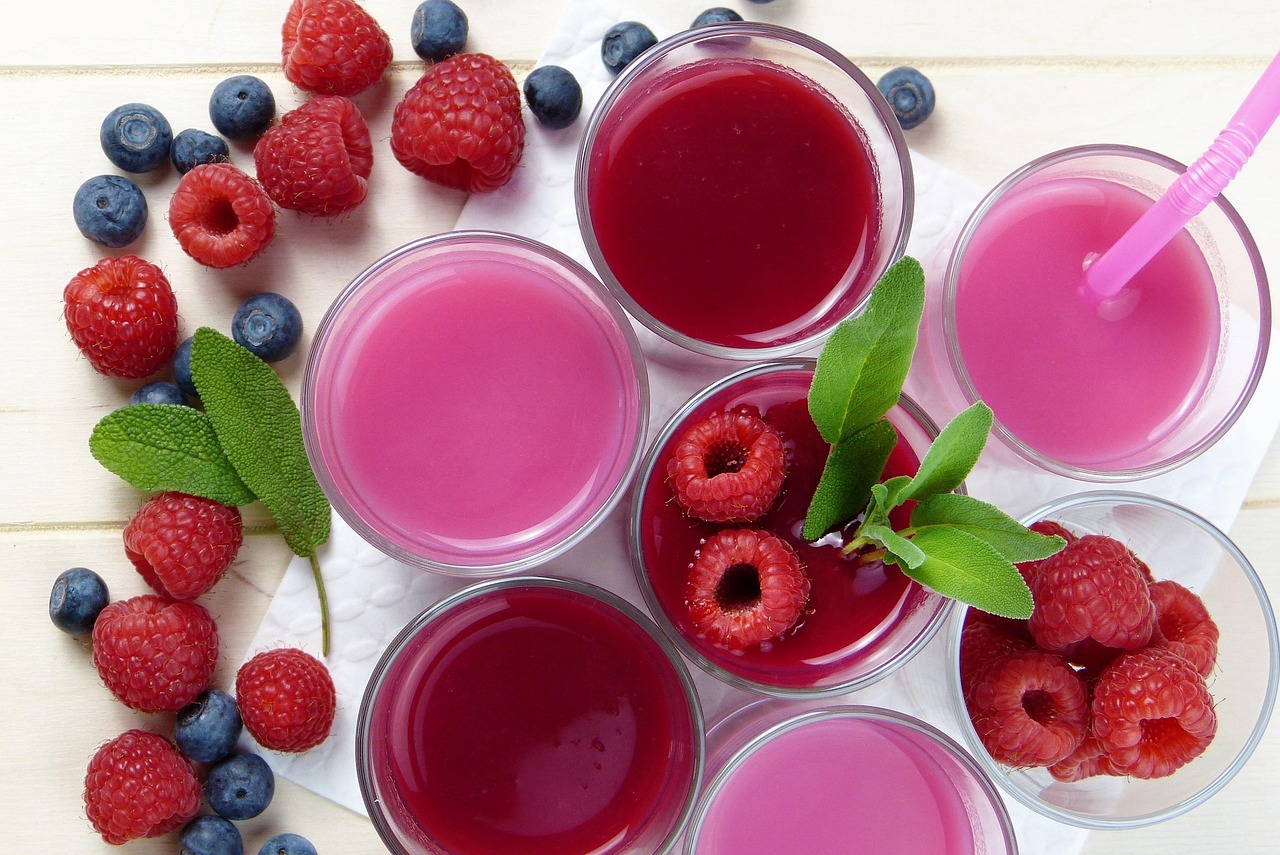
Fruits are naturally energizing and present a fantastic choice for pre-workout meals. The quick-release sugars and vital nutrients found in fruits such as bananas, apples, oranges, and berries make them ideal for fueling exercise efforts. For example, bananas are perfect before a workout due to their potassium content, helping to stave off muscle cramps. Similarly, oranges offer hydration and vitamin C, which supports immune health and can enhance overall performance. Berries are loaded with antioxidants, which may help reduce inflammation post-exercise. One creative way to enjoy these fruits is to combine them in smoothies for a delicious energy-boosting drink. Blending fruits with Greek yogurt or spinach provides an additional protein source and boosts nutrient absorption. Moreover, creating pre-packaged fruit snacks ensures convenience on busy days. Being mindful of your fruit portions ensures you avoid sugar overload. Therefore, incorporating fruits into your pre-workout nutrition strategy can elevate your energy levels and overall workout experience, making exercise sessions much more enjoyable. Consuming a variety of fruits helps meet dietary preferences while enriching workouts.
Healthy Fats and Their Benefits
Although fats are often viewed negatively in fitness circles, they can play a crucial role in pre-workout nutrition when chosen wisely. Healthy fats found in sources like avocados, nuts, seeds, and olive oil supply a concentrated source of energy that can be beneficial, especially in longer workouts. For instance, consuming a small amount of almond butter on whole-grain toast can create a delicious energy-boosting meal packed with nutrients. These fats assist with hormone production and absorption of certain vitamins, essential for maintaining energy levels. However, moderation is key since excessive fat intake can slow down digestion, leading to discomfort while exercising. It is advisable to consume these fat sources at least 1-2 hours before workouts to allow for proper digestion. Pre-workout snacks that strike a balance in macronutrients—such as a handful of mixed nuts or an avocado smoothie—provide sustained energy without compromising workout performance. As such, incorporating healthy fats into pre-workout meals assists in fueling the body appropriately, thereby enhancing performance and endurance.
Hydration is a critical factor in activating your pre-workout nutrition plan. Even mild dehydration can negatively impact performance, leading to reduced strength, endurance, and focus, making it essential to consume enough fluids before working out. Water should be consumed regularly throughout the day, but specific amounts should also be measured alongside pre-workout meals. Aim to drink a glass of water at least 30 minutes before your training session. Additionally, electrolyte-rich beverages can be beneficial, particularly if workouts are intense or prolonged. Drinks containing sodium, potassium, and magnesium can support hydration and maintain energy levels during exercise. Furthermore, natural electrolyte sources like coconut water can serve as a rejuvenating post-exercise drink, replenishing lost minerals and fluids. Keeping track of your hydration needs helps determine any adjustments either pre or post-exercise. Using tools such as hydration apps can assist in maintaining optimal hydration levels tailored for your workout routines. A well-planned hydration strategy not only supports performance but significantly enhances recovery processes post-exercise.
Timing Your Pre-Workout Meals
The timing of pre-workout meals significantly impacts performance and energy levels during exercise. Consuming meals too close to workout times may lead to discomfort, while eating too early can result in a dip in energy during workout sessions. Ideally, nutrient-dense meals should be eaten about 1-2 hours before exercise, allowing adequate digestion and absorption. Some may prefer lighter snacks 30 minutes prior, focusing on easily digestible carbohydrates and proteins. Experimenting with meal timing and portion sizes helps find the best fit for personal schedules and digestion rates. For example, those engaging in high-intensity workouts often find smaller, balanced meals offer preferred energy levels without feeling overly full. On the other hand, those participating in extended training might benefit from larger meals focusing on carbohydrates for sustained energy release. Pre-workout nutrition requirements will differ based on individual preferences and specific fitness goals. Therefore, finding an ideal balance in timing and composition is integral for optimizing energy levels and workout performance.
In conclusion, the essence of tailored pre-workout nutrition revolves around understanding one’s individual dietary needs, preferences, and workout intensity. Reflecting upon various food groups—carbohydrates, proteins, healthy fats, and hydration—highlights the critical roles each plays in prepping the body for exercise. Engaging in trial and error can help pinpoint optimal combinations and timings, aiding in sustaining energy levels during workouts while providing key recovery supports post-exercise. Overall, effective pre-workout nutrition can be seen as a personalized strategy to maximize performance, focus, and enjoyment within any exercise regimen. Staying informed about various wholesome food options can further elevate pre-workout routines. Therefore, incorporating a mindful approach toward pre-workout nutrition contributes significantly to achieving personal fitness goals and enhancing experiences.