
Massage Therapy in Sports: A Key Recovery Method
Massage therapy has evolved into a vital component of sports recovery that athletes utilize to enhance performance and promote healing. This technique encompasses various styles, including deep tissue, Swedish, and sports massage, each tailored to meet specific needs. By addressing physical tension and alleviating muscle soreness, massage therapy serves to accelerate recovery. Athletes often experience the rigors of intense workouts and competitions, placing stress on their bodies. Incorporating massage therapy into recovery routines can alleviate physical ailments like muscle strains and spasms. It is imperative to maintain muscle flexibility and reduce the risk of injuries, especially for athletes engaged in high-impact sports. Research suggests that regular massage can improve circulation, leading to enhanced oxygen delivery to tissues. Furthermore, massage therapy has the added benefit of fostering mental relaxation, which can be incredibly beneficial in high-pressure sports environments. Additionally, athletes typically feel invigorated post-massage, thereby positively contributing to their training regimens. The seamless integration of massage therapy as a recovery method allows athletes to remain competitive in their respective fields. Consequently, many teams are employing licensed massage therapists to aid in athletes’ recovery processes.
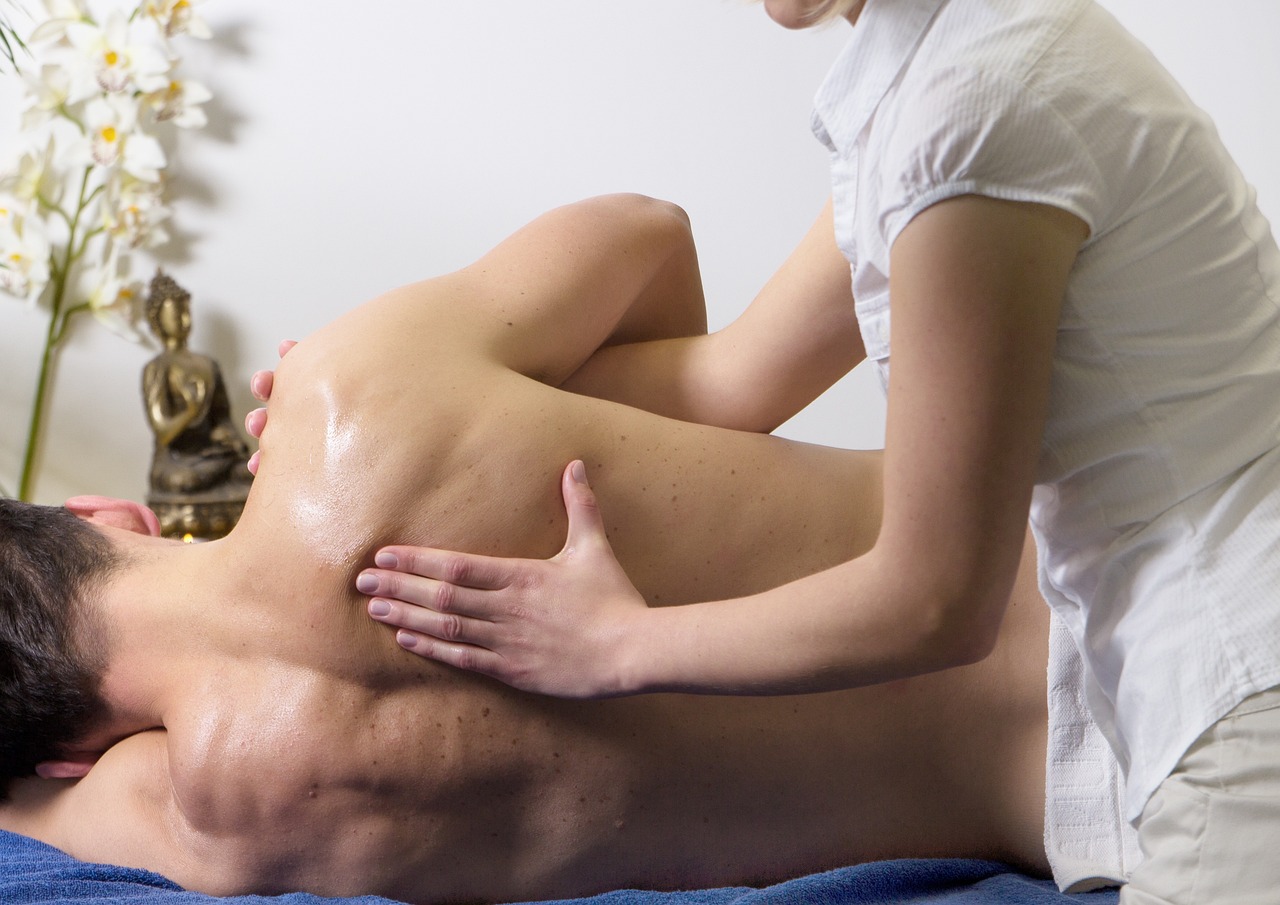
Understanding the various techniques of massage therapy is crucial for athletes aiming to maximize their recovery. Different styles cater to specific recovery needs, with some focusing on relaxation, while others target deep muscle tissues. For instance, Swedish massage offers gentle relaxation through long strokes, which helps with overall stress relief. In contrast, sports massage concentrates on areas of tension, helping athletes recover from injuries and enhancing performance. A significant aspect of massage therapy is its ability to stimulate circulation, which helps to remove metabolic waste and deliver nutrients to muscle tissues. The enhancement of blood flow through these techniques can also aid in reducing muscle soreness after extensive training sessions or competitions. Moreover, understanding an athlete’s body mechanics and specific injuries allows therapists to tailor treatments effectively. Each session can be adapted to focus on trouble spots or muscle groups that require special attention. As athletes partake in rigorous activity schedules, the role of massage therapy becomes increasingly essential. It bridges the gap between intense physical exertion and the consequent need for recovery, ultimately translating into improved on-field performance.
Physiological Benefits of Massage Therapy
The physiological advantages of massage therapy extend beyond instant relaxation and encompass several long-term benefits for athletes. Enhanced circulation, as previously mentioned, leads to improved oxygen supply to the tissues, which is vital for muscle recovery. More oxygen means faster healing times and enhanced muscle performance. Additionally, this improved blood flow can assist in reducing delayed onset muscle soreness (DOMS), a common condition athletes face after rigorous workouts. Environmental factors, such as colder temperatures, can exacerbate muscle tightness, making massage particularly effective in alleviating discomfort. Furthermore, the physical manipulation of muscles helps break down adhesions and scar tissue, promoting optimal muscle function. Regular massage therapy sessions can also significantly impact an athlete’s range of motion. Increased flexibility aids in preventing injuries, allowing athletes to perform at their peak without fear of strain. Beyond the physical aspects, the psychological benefits should not be overlooked, as well. Engaging in massage therapy can also lower anxiety levels and encourage mental clarity. In demanding sports environments, mental wellness plays an equally crucial role in maintaining overall athlete health.
In addition to the physiological effects, the psychological impact of massage therapy contributes significantly to a comprehensive recovery method. Athletes often find themselves under immense pressure to perform, leading to psychological stress. Benefits such as increased serotonin and dopamine levels, which result from massage, can enhance mood and contribute to reducing anxiety. Furthermore, by creating an environment for relaxation, massage assists athletes in achieving a state of mental preparedness required for competition. It can effectively clear their minds, allowing them to focus better on the task at hand. The repetitive nature of sports can often lead to burnout; integrating massage therapy into recovery protocols can help combat this fatigue. Establishing a routine that includes massage also encourages self-care practices among athletes. They learn to value their physical and mental well-being, reinforcing healthy habits necessary for sustained performance. By addressing both the physical and emotional aspects of recovery, athletes can optimize their overall performance and longevity in the sport. Thus, the dual benefits of massage therapy make it an indispensable recovery method within athletic programs.
Choosing the Right Massage Therapist
Selecting the appropriate massage therapist is fundamental in ensuring that athletes achieve the desired benefits from their recovery sessions. Many athletic organizations collaborate with certified professionals who understand the unique conditioning needs of different sports. An ideal therapist should have experience working with athletes and knowledge about sports-specific injuries and recovery strategies. Communication regarding an athlete’s specific needs and areas of concern will be critical during the initial assessment. A well-informed therapist can tailor sessions based on the athlete’s performances, understanding the muscular stress experienced during competitions. Furthermore, reviewing the therapist’s qualifications, skills, and specialties is essential to determine their effectiveness. Many also utilize complementary techniques such as myofascial release and trigger point therapy, which can enhance recovery outcomes. Trust and rapport between the athlete and therapist play a vital role; a comfortable environment leads to more productive sessions. Experienced therapists often guide athletes on self-care techniques, stretching routines, and hydration, extending the effects of massage therapy beyond the treatment room. As a result, the partnership between athletes and qualified massage therapists can lead to incredible performance improvements.
In conclusion, the integration of massage therapy as a recovery method is indispensable for athletes striving towards peak performance. The myriad physical and psychological benefits associated with tailored massage treatments contributes to an athlete’s overall well-being. Enhanced blood circulation, reduction of muscle soreness, and improved range of motion are tangible results that athletes can expect from regular sessions. Coupled with the mental relaxation and preparation that these treatments foster, it becomes evident that massage therapy should not be viewed as a luxury, but rather as a vital component of training regimens. Additionally, specialist practitioners aid in educating athletes about the importance of recovery, which in turn encourages a preventive approach toward injuries. As sports continue to evolve, the need for effective, holistic recovery methods remains paramount. In this light, the significance of professional massage cannot be overstated. Access to skilled practitioners ensures that athletes can perform at their best and maintain a healthy balance in their demanding routines. Ultimately, the role of massage therapy is pivotal in enhancing athletic performance, making it an essential investment for those dedicated to their sport.
When delving into the broader context of recovery methods, it’s crucial to recognize that massage therapy should be complemented by other wellness practices. Strategies like adequate hydration, nutrition, and sleep are all vital in a successful recovery framework. Competitive sports can take a toll on the body, but pairing massage with balanced meals and sufficient rest creates an optimal recovery atmosphere. Nutrition, in particular, plays a critical role in replenishing energy stores and helping muscles repair themselves. Consideration of various recovery techniques, from stretching routines to cryotherapy, further improves recovery outcomes. It’s essential for athletes to embrace a multifaceted approach, recognizing that massage therapy is one piece of a larger recovery puzzle. By understanding how these elements work in harmony, they can better manage physical exertion and maintain a competitive edge. The future of sports recovery will likely see an even deeper integration of these techniques, with emerging research and technology paving the way for innovative practices. As athletes explore their recovery options, embracing massage therapy will undoubtedly remain a popular choice.
The Future of Massage Therapy in Sports Recovery
As sports continue to progress, so too will the methodologies for recovery, including the role of massage therapy. Emerging research is continuously uncovering new benefits related to this discipline, which can lead to enhanced application across various athletic venues. Innovations in technology may introduce advanced techniques that can further personalize treatments. Concepts like neuroplasticity and its impact on muscle recovery could transform how therapists approach specific injuries and recovery protocols. As sports medicine evolves, the integration of massage therapy as part of comprehensive recovery strategies will likely gain momentum. Furthermore, athletes increasingly demand accessible and efficient recovery modalities, solidifying the importance of collaboration between physiotherapists, athletic trainers, and massage therapists. Education within these professions will focus on developing holistic recovery strategies benefiting athletes. In addition, preventive measures and proactive injury management will become a key area of emphasis within massage therapy. Through networking and sharing knowledge, professionals can ensure athletes receive the best in recovery care. Therefore, the outlook of massage therapy in sports recovery is promising, with a greater emphasis on collaboration, integration, and evidence-based practice guiding future developments.