
Customizing Fitness Plans for Students with Special Needs
Creating customized fitness plans for students with special needs is essential to ensure they engage meaningfully in physical education. Each student comes with unique abilities and challenges, so fitness plans should reflect their individual needs. An inclusive program can help foster physical, social, and emotional growth, which is crucial during their formative years. Implementing adaptive fitness strategies allows students to develop confidence and improve their overall well-being. Teachers and coaches can utilize a variety of tools and methods to adapt traditional exercises and activities. For instance, using visual aids, modified equipment, or one-on-one assistance can make fitness accessible to everyone. Communication between educators, parents, and specialists is vital to tailor these plans effectively. Gathering input from parents about what works best at home can enhance the collaboration in creating these fitness routines in schools. In addition, engaging students in the planning process can help ensure that the activities are enjoyable, motivating them to participate. Ultimately, the goal of customizing fitness plans is to provide an environment where every student can thrive and enjoy physical fitness, regardless of their abilities or disabilities. With thoughtful planning and execution, all students can become active participants.
To create effective fitness plans for students with special needs, the first step is conducting a comprehensive assessment. This assessment should include a student’s physical abilities, medical conditions, and personal interests. Involving professionals such as physical therapists or occupational therapists can provide valuable insights during evaluations. These assessments help educators understand each student’s specific needs and inform the development of customized fitness programs. Once the assessment is complete, educators can begin integrating various activities that promote both fitness and enjoyment. For instance, they might use low-impact exercises tailored to students with limited mobility or incorporate games that encourage teamwork and participation among peers. Moreover, flexibility is key when designing fitness routines, as students may require frequent adjustments based on their progress. Teachers must be prepared to modify exercises or introduce new activities that capture students’ interest as they grow. Additionally, creating a supportive environment where students feel comfortable trying new things is vital to fostering a love for physical activity. Recognizing their efforts and celebrating small achievements can significantly boost their motivation and confidence in participating in fitness programs. This approach ultimately leads to a more inclusive experience in physical education classes.
Engaging Students Through Fun Activities
Making fitness enjoyable is essential for fostering participation among students with special needs. Programs can incorporate various games and recreational activities that not only encourage physical fitness but also engage students socially. Adaptive sports like wheelchair basketball, sitting volleyball, or swimming offer opportunities for teamwork and skill development. Additionally, introducing elements of fun into traditional exercises, such as dance or rhythm-based activities, can create a lively atmosphere that keeps students engaged. It’s also beneficial to rotate activities regularly to prevent boredom and maintain enthusiasm. Adaptations, such as using bright colored equipment or adding music and dancing, can significantly enhance the physical education experience, ensuring every student remains excited and motivated to participate. Further, peer involvement plays a critical role in engaging students; pairing them with buddies in their class can encourage cooperation and confidence. Supportive peer relationships can lead to lasting friendships and bolster the overall effectiveness of physical fitness programs. Ultimately, a fun and dynamic approach to fitness in schools can create a positive atmosphere and encourage students to view physical activity as an enjoyable part of their daily lives, fostering lifelong healthy habits.
Another important aspect of customizing fitness plans is the inclusion of technology to assist students with special needs. Various digital tools and applications can enhance both learning and participation in physical education. These tools can track progress, offer instructional videos, and provide interactive rewards for achieving fitness goals. For instance, using portable devices that display exercises can guide students through routines at their own pace. Virtual reality systems can also provide immersive training experiences that can motivate students to engage actively in workouts. Moreover, employing fitness trackers can help students monitor their physical activity and set achievable targets, fostering independence. Accessibility is crucial when implementing technology; ensuring that devices are easy to use and adapt to individual skill levels can maximize their benefits. Educators should receive training on utilizing these tools effectively, ensuring they can guide students and facilitate a seamless integration into their fitness plans. Ultimately, leveraging technology not only makes fitness more engaging but also empowers students to take ownership of their health and fitness journeys. As students become comfortable using these tools, they can develop a sense of agency over their fitness routines.
Focus on Holistic Development
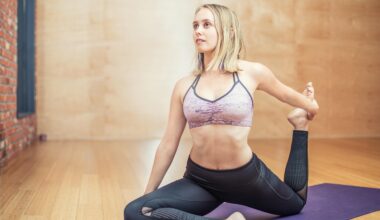
When customizing fitness plans, it’s vital to focus on holistic development. This approach should address physical fitness alongside social, emotional, and cognitive growth. Providing opportunities for students to collaborate with peers fosters teamwork and enhances social skills, which are essential for building confidence and self-esteem. Furthermore, including activities that challenge students intellectually can lead to better engagement overall. Integrating problem-solving challenges or strategic games into fitness routines can stimulate cognitive development while promoting physical activity. Educators can collaborate with other specialists, such as psychologists or social workers, to create a more comprehensive fitness program that reflects students’ diverse needs. Incorporating mindfulness techniques, such as yoga or meditation, into fitness curricula can help improve students’ emotional well-being and reduce stress. Daily practices of self-regulation and mindfulness can significantly enhance their focus and readiness to learn. It’s also essential to communicate these goals to students and their families, ensuring everyone is aligned on the holistic benefits of such programs. This comprehensive approach can lead to a positive educational experience, as students build skills and knowledge that extend beyond the gym or classroom.
Involving families in the development and implementation of fitness plans is key to ensuring students with special needs receive comprehensive support. Parents play an invaluable role in their child’s education and fitness, sharing insights about their capabilities, preferences, and any additional challenges at home. Regular communication between educators and families is crucial, providing updates on student progress and areas of focus. Organizing family workshops or activities can help educate parents on how to support their children at home, fostering consistency between school and home environments. It’s also beneficial to gather feedback from families about what works best for their children, allowing educators to refine and customize fitness plans further. Hosting inclusive events such as fitness days can bring families together and promote a community spirit, encouraging everyone to participate in physical activities. Furthermore, this could provide a platform for families to share their experiences and strategies that they have found effective. Engaging families strengthens the support network surrounding each student, allowing them to thrive during their fitness journey. Collaborative efforts create a sense of unity and shared responsibility in fostering healthy habits, contributing positively to the educational experience.
Assessing Success and Progress
Regular assessment of fitness plans and student progress is crucial to ensure effectiveness. Teachers should set measurable objectives that can be regularly reviewed and adjusted as necessary. These objectives should be tailored to each student’s abilities and goals, focusing on improvements in strength, flexibility, endurance, and social skills. Gathering input from students on their self-perceived progress can also offer valuable insights, contributing to their engagement in the process. Incorporating different methods of assessment, such as physical performance tests, observation, or even student journals, can create a comprehensive picture of each student’s journey. Educators may also want to involve peers in the assessment process, fostering a sense of accountability and encouragement among students. Celebrating achievements, no matter how small, can significantly boost confidence and motivation, reinforcing a positive attitude towards fitness. Workshops aimed at educating students about self-assessment techniques can empower them to reflect on their progress and set new goals independently. Over time, this ongoing assessment process helps to clarify which approaches are successful and which need adjustment, ensuring that fitness plans remain relevant and effective, thereby supporting student success in achieving their fitness and health objectives.
Ultimately, customizing fitness plans for students with special needs requires dedication, creativity, and collaboration among educators, parents, and the students themselves. It’s essential to recognize that diversity in abilities enriches school environments, enhancing the experiences of all participants. By embracing inclusive practices, schools promote social integration, understanding, and acceptance. With carefully crafted fitness programs, students with special needs have the opportunity to overcome barriers and thrive in a supportive setting. The potential benefits of these initiatives extend beyond physical health, influencing emotional well-being and social connections. Such programs can instill a lifelong commitment to fitness and healthy living. Building an inclusive culture surrounding physical education creates a foundation for improving the overall climate in schools. Teachers and staff must remain committed to ongoing professional development and training in adaptive fitness to provide effective plan customizations. Each step taken to modify fitness activities opens doors for exploration and growth among students with special needs. Inclusivity within fitness education transforms perceptions and attitudes, challenge norms of fitness accessibility, and reinforces the understanding that every student deserves the opportunity to excel. Therefore, when we prioritize adaptive fitness, we ultimately enhance the educational experience for everyone.