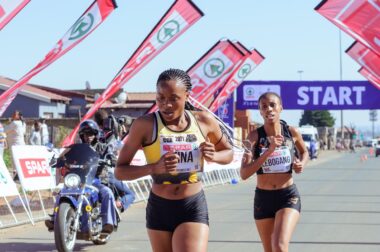

The Role of Nutrition in Women’s Running Performance
The contribution of nutrition to women’s running performance is significant and multidimensional. Proper nutrition fuels the body, aids in recovery, and enhances overall athletic capabilities. A well-balanced diet ensures that female runners meet their energy requirements, which are crucial for endurance, strength, and speed. Nutrients including carbohydrates, proteins, fats, vitamins, and minerals all play unique roles. Carbohydrates are especially vital, serving as the primary energy source for endurance athletes. Proteins help repair and build muscle tissues, supporting recovery after rigorous workouts. Healthy fats contribute to prolonged energy and hormone regulation. Vitamin and mineral intake supports immune function and overall health, critical for training consistency. Therefore, developing a tailored nutrition plan is essential, as every athlete has individual needs based on running intensity, duration, and personal health. Additionally, hydration must not be overlooked; proper fluid intake directly impacts performance and recovery. Runners should also be conscious of their nutrient timing, specifically consuming the right foods before, during, and after runs to maximize energy levels and recovery rates. Such practices can make a measurable difference in performance, highlighting nutrition’s pivotal role in successful running endeavors.
Taking into account the unique nutritional needs of female runners is important. Women have different physiological demands compared to men, which necessitates a tailored approach when it comes to dietary intake. For instance, women often need higher iron and calcium levels due to menstruation, pregnancy, and bone health. Iron supports healthy red blood cell production, critical for endurance, while calcium contributes to bone density. Insufficient intake of these nutrients can lead to fatigue, decreased performance, and increased injury risk. Additionally, female runners must ensure they are consuming enough calories overall to support their training. This means incorporating a variety of whole foods such as fruits, vegetables, whole grains, lean proteins, and healthy fats. Foods rich in antioxidants can also benefit recovery and combat inflammation caused by rigorous training. Many women may experience challenges surrounding body image and caloric intake, which can impact their eating habits negatively. It is vital to foster a positive mindset regarding nutrition, focusing on nourishment, health, and performance rather than restrictions. Moreover, consultation with a dietitian can provide valuable guidance tailored to meet these specific nutritional needs effectively.
Understanding Macronutrients
A thorough comprehension of macronutrients—carbohydrates, proteins, and fats—is essential for all athletes, particularly female runners. Each macronutrient serves different purposes that collectively enhance performance. Carbohydrates serve as the primary fuel source for prolonged exercise, particularly during running. Depending on the intensity and duration of a run, carbohydrate intake should vary, ensuring runners maintain energy levels throughout. For endurance runners, an estimated 6-10 grams of carbohydrates per kilogram of body weight may be beneficial. Proteins, on the other hand, are essential for muscle repair and recovery. Women should focus on incorporating quality protein sources, such as lean meats, legumes, and dairy, especially post-exercise. A general guideline for active women suggests a protein intake of around 1.2 to 2.0 grams per kilogram of body weight. Healthy fats are equally important; they provide sustained energy and help absorb fat-soluble vitamins. Women should opt for sources like avocados, nuts, seeds, and olive oil. Balancing these macronutrients in a meal plan not only supports optimal performance but also contributes to overall health and well-being, allowing female runners to thrive in their training.
Hydration is equally paramount in supporting women’s running performance. Staying adequately hydrated helps manage body temperature and lubricates joints, which is vital during prolonged physical activity. Female runners should aim to drink sufficient fluids daily, with adjustments based on training intensity, climate, and duration. The general recommendation is to consume at least half one’s body weight in ounces as a baseline for hydration. This can vary significantly, as some may sweat more than others. Monitoring hydration levels can be achieved through urine color—light yellow indicates good hydration, while dark yellow suggests a need for more fluids. It is crucial to replace fluids lost during runs, especially in warm weather or during high-intensity workouts. Sports drinks containing electrolytes may also be beneficial, particularly for long-distance runs. They help replenish sodium, potassium, and other essential minerals lost through sweat. In addition, hydration strategies should include fluid intake before, during, and after runs. This multi-faceted approach ensures that female runners can maximize their performance while minimizing fatigue and the risk of dehydration-related injuries.
The Importance of Meal Timing
Meal timing can greatly impact a female runner’s performance and recovery. Strategic planning around meal times, especially surrounding training sessions, is crucial. Consuming a balanced meal containing carbohydrates and proteins a few hours before running provides the necessary fuel. Ideally, this meal should focus on easily digestible foods, allowing the body to use energy effectively without discomfort. For runners who have limited time before a workout, a quick snack like a banana or a sports bar can offer adequate energy and is easier to digest. During long runs, snacks or sports gels can help maintain energy levels, allowing a runner to perform at her best. Post-run, it becomes essential to replenish energy stores and aid in muscle recovery. A combination of carbohydrates and protein is ideal within 30-60 minutes following running, which could be in the form of a smoothie or a hearty meal. Delaying food intake can hinder recovery, so focusing on this is paramount. Planning meals around running needs promotes better performance and overall training consistency, allowing female runners to see significant improvements over time.
Supplements can be beneficial for women’s running performance, especially when dietary intake does not meet nutritional needs. Supplements like iron and calcium are crucial, particularly for women who have a higher risk of deficiency due to menstruation or dietary restrictions. Additionally, Vitamin D and Omega-3 fatty acids can support immune function and reduce inflammation, aiding in recovery. It is crucial to note that supplements should never replace a balanced diet; they should only complement it. Before starting any supplement regimen, consultation with a healthcare professional is vital to determine individual requirements and avoid excessive intakes, which can lead to adverse health effects. Moreover, attention should be paid to the quality of supplements used, as efficacy varies widely across products. Female runners need to take a proactive approach in sourcing high-quality supplements that are third-party tested for safety and effectiveness. By aligning supplementation with a proper nutrition plan, female runners can enjoy improved energy, enhanced recovery, and ultimately better performance outcomes. Educating oneself about nutrition and seeking professional guidance can empower women to make informed choices that support their fitness goals.
Conclusion: A Holistic Approach to Nutrition
In conclusion, embracing a holistic approach to nutrition is vital for women runners aiming to enhance their performance. Combining adequate macronutrient intake, proper hydration, effective meal timing, and appropriate supplementation creates a comprehensive framework for success. Each runner’s nutritional needs are unique, thus making tailored plans is essential. Consulting with a registered dietitian who specializes in sports nutrition can provide invaluable insights and personalized strategies. Ensuring nutritional adequacy can also support mental and emotional well-being, combating pressure surrounding body image in athletic contexts. Furthermore, promoting a positive relationship with food nurtures better health behaviors and performance outcomes. Runners should prioritize whole foods packed with essential nutrients over processed options to ensure optimal energy and recovery. Being mindful of hydration and meal timing while understanding the significance of macronutrients allows female runners to strategically enhance their training. Ultimately, prioritizing nutrition not only enhances running performance but also fosters a lifelong passion for health and fitness, benefiting runners in the long run. By investing in their nutrition, female runners will not only achieve their athletic goals but also engender a significantly happier and healthier lifestyle.