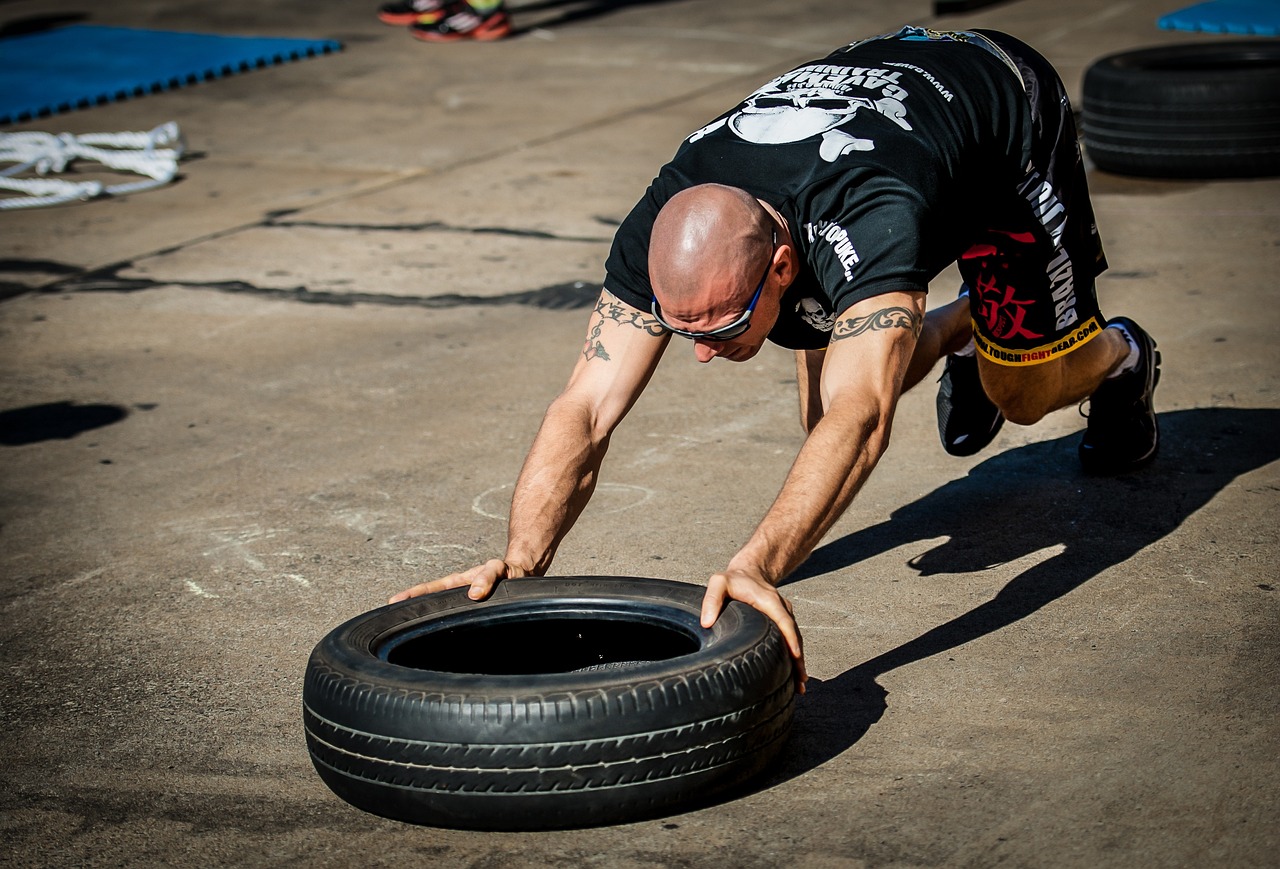

Functional Training for Functional Independence in Daily Activities
Functional training is a dynamic approach aimed at enhancing the body’s ability to perform daily activities effectively and independently. The primary goal is to mimic movements that replicate real-life scenarios, enabling individuals to develop strength, balance, and flexibility. This type of training is particularly beneficial for older adults or individuals recovering from injury. By focusing on multi-joint movements, individuals enhance overall muscle coordination, positively impacting posture and stability. Exercises may include squats, lunges, or step-ups, all of which help improve mobility. Incorporating resistance bands and weights can further increase the intensity of workouts. Adaptation to functional training can be easily tailored to meet varying fitness levels, from beginners to advanced athletes. Strengthening these functional movements ensures that daily tasks such as lifting groceries, climbing stairs, or even playing with children become more manageable and safer, decreasing the risk of injury. Overall, this training approach offers a comprehensive solution for those wishing to maintain or regain their independence in daily activities.
Moreover, functional training emphasizes the importance of core stability, which is crucial for efficient body mechanics in everyday activities. The core comprises several muscles that support and stabilize the spine, and having a strong core significantly improves balance and overall strength. As individuals engage in functional exercises, they learn to activate their core muscles effectively, helping to promote better posture as well. Activities like carrying items, twisting to reach for something, or bending down to tie shoes require coordination and core strength. As we age, maintaining core strength becomes increasingly vital to prevent falls and ensure mobility. Throughout training, practitioners should focus on varied exercises that challenge the core, such as planks, bridges, and rotational movements. Setting specific goals related to core stability can give individuals motivation and a clear target to pursue. Additionally, functional training is highly adaptable; modifications can be made based on an individual’s fitness level and specific physical needs. This personalized approach fosters an environment where everyone can strive for improvement, ensuring that functional independence is attainable for all.
Benefits of Functional Training
Beyond physical gains, functional training significantly enhances mental well-being and self-confidence. Engaging in exercises that promote functional independence can lead to a greater sense of achievement, as individuals can perform everyday tasks with relative ease. This improved functionality translates to increased independence, reducing reliance on others for assistance. The psychological impact cannot be overstated; accomplishing meaningful movements boosts confidence levels and motivates individuals to continue their training journey. Participants may also experience reduced stress and anxiety levels through regular exercises, as physical activity releases endorphins known to enhance mood. As strength and coordination improve, many people find themselves feeling more energetic, enabling them to engage more fully with social activities and friendships. It provides a holistic approach to achieving well-being, incorporating the importance of physical activity with mental health. Trainers can nurture this aspect by emphasizing progress, celebrating achievements, and adapting workouts to keep participants engaged. With time and consistency, engaging in functional training yields lifelong advantages that extend far beyond the gym walls, promoting a healthier and happier lifestyle for individuals of all ages.
Another significant aspect of functional training is its emphasis on balance and stability. Balance training is vital for everyone, particularly older adults and those recovering from injuries. Focusing on exercises that improve balance can enhance overall body awareness and coordination. These attributes are crucial for preventing falls, which can lead to serious injuries in certain populations. Incorporating activities like single-leg stands, balance boards, or dynamic movements such as reaching while balancing can be beneficial. Consistency in practice leads to marked improvement in functional independence levels, helping individuals regain confidence in their movements. Falling is a common concern as people age, and functional training serves as a proactive measure in reducing these risks. Trainers can create specific balance workouts aimed at addressing individual needs while ensuring safety during exercises. This type of individualized training not only optimizes results but also builds trust between the trainer and the individual. With dedicated practice, individuals can significantly enhance their stability, enabling them to move with freedom and security in their daily lives.
Integrating Functional Training into Daily Routines
Integrating functional training into daily routines is easier than one may think. Simple adjustments to everyday activities can lay the groundwork for a functional training lifestyle. For instance, choosing to carry heavy groceries in one trip instead of multiple lighter trips can serve as a functional workout in itself. Additionally, performing squats while picking items from lower shelves enhances strength and flexibility unconsciously. Setting aside time for a regular exercise routine should also be a priority, ensuring that individuals can engage in dedicated sessions. Short workouts of thirty minutes focusing on functional exercises can deliver significant results over time. Pairing these functional workouts with everyday life creates an all-encompassing training environment that is natural and enjoyable. Moreover, enlisting friends or family to join in functional exercises encourages social interaction and provides a support system for accountability. Gym memberships aren’t necessary to reap the benefits of functional training; parks, community centers, or even home workouts can effectively support one’s goals. Ultimately, consistency and intention make integrating functional training feasible for anyone aiming to achieve increased independence.
To maximize the benefits of functional training, varied resistance and intensity in workouts is essential. Incorporating weights, resistance bands, or body weight exercises can enhance strength gains while ensuring workouts do not become stale over time. Additionally, focusing on progressive overload, where individuals gradually increase the weight, repetitions, or intensity of their workouts, assists in achieving optimal results. As the body adapts to the stresses placed upon it, ongoing challenges must be introduced to stimulate progress. This concept of adaptation is key; those who faithfully pursue functional training can expect continued improvements in their abilities. Furthermore, recording workouts and tracking progress can bolster motivation and provide a sense of accomplishment. Structured goals related to physical capabilities, like lifting heavier or completing more repetitions, keep participants engaged. Trainers should encourage open dialogues about these goals to build strategies that align with individual aspirations. Regular reassessments ensure that training plans remain relevant as personal circumstances change, fostering an environment where progress is both seen and felt consistently over time.
The Role of Nutrition in Functional Training
Nourishment plays a critical role in enhancing performance and recovery during functional training. A balanced diet rich in essential nutrients is necessary to support an active lifestyle. Individuals should focus on whole foods, including lean proteins, complex carbohydrates, and healthy fats, to fuel their bodies optimally. These food groups provide the necessary energy and nutrients to support muscle growth, repair, and overall health. Hydration is of equal importance; adequate water intake ensures that workouts remain effective, keeping performance levels high. Meal timing is also crucial; consuming a balanced meal or snack before and after workouts can sharpen energy levels and optimize recovery. Simple adjustments, such as packing energy-dense snacks for on-the-go nourishment, can enhance adherence to nutritional goals. Individuals should plan and prepare meals around their training schedules, ensuring they maintain an efficient intake of nutrients. Overall, a well-rounded nutritional strategy fosters the foundations of functional training, optimizing fitness levels while promoting health. Combining a dedicated training routine with proper nutrition guarantees one is well-prepared to achieve functional independence in daily activities.
In conclusion, functional training is vital for gaining and maintaining functional independence in daily activities. By adapting exercises to mirror real-life movements, individuals are well-equipped to tackle everyday challenges. Beyond physical improvements, the training method encourages mental well-being and self-confidence. Creating a balanced program that integrates strength, flexibility, balance, and nutritional awareness ensures individuals can thrive in their pursuit of functional independence. Setting personal goals, progressing appropriately, and maintaining consistent practice are essential to success in this area. With dedication, functional training leads to improved physical capabilities, empowering individuals to live their lives without hindrance. People experiencing positive results are more likely to sustain their engagement in training as they recognize its importance. Thus, fostering a supportive community that promotes healthy habits and encourages shared training experiences significantly influences the collective motivation in functional training. Everyone, regardless of fitness level, can benefit from the principles of functional training. The more we incorporate functional training into our daily routines, the better equipped we become to live independently and confidently, enjoying the multitude of activities life has to offer.