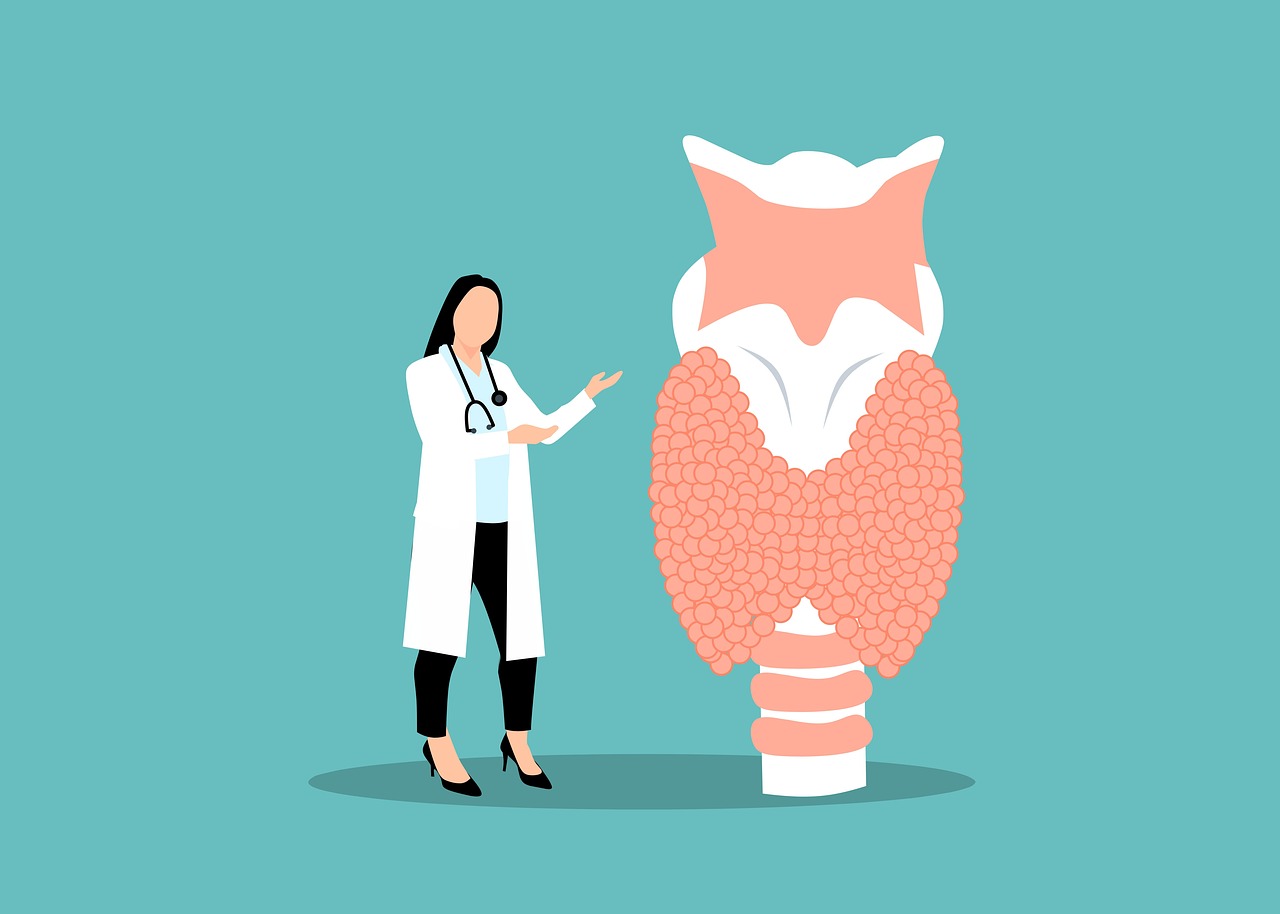

Hormonal Triggers and Flare-Ups in Autoimmune Conditions
Autoimmune diseases are complex conditions influenced by various factors including hormonal changes. Hormones can play a significant role in modulating the immune response. Both estrogen and testosterone have been shown to interact with autoimmunity, potentially exacerbating symptoms. Understanding how these hormones fluctuate during various life stages like menstruation, pregnancy, and menopause can provide insights into disease management. Hormonal fluctuations may trigger flare-ups in conditions such as rheumatoid arthritis or lupus. Recognizing these triggers can lead to better symptom control. Research continues to explore how hormonal treatments may alleviate autoimmune symptoms. Women are generally more affected by autoimmune diseases, further complicating hormonal influence. Additionally, thyroid hormones can impact metabolism and energy, potentially influencing autoimmune processes. Therefore, optimal management of hormonal levels may benefit autoimmune patients. Adjusting hormone-related factors, such as sleep and stress, can help balance hormonal impacts on autoimmunity. Conducting regular assessments of hormone levels may be advantageous for individuals with autoimmune conditions. Healthcare providers should consider hormonal health when devising treatment plans encompassing both lifestyle and medical interventions.
There are various hormonal factors that can significantly affect autoimmune diseases. Some of these include thyroid hormones, cortisol, and sex hormones. The thyroid hormones, particularly, regulate metabolism and immune function, linking them to autoimmune conditions like Hashimoto’s thyroiditis. Cortisol, released during stress, can suppress inflammation but also aid in immune response irregularities. This dual role makes understanding cortisol’s mechanism crucial for managing autoimmune disorders. Furthermore, the relationship between sex hormones and autoimmune diseases is particularly intense in women. Conditions such as systemic lupus erythematosus have a higher prevalence among women, suggesting estrogen’s influence. On the other hand, testosterone is linked with the regulation of immune responses, particularly in males. Individuals experiencing flare-ups must consider how their lifestyle impacts these hormonal balances. Factors like exercise, sleep, and nutrition can positively influence hormone levels, potentially reducing flare-up frequency. Consulting healthcare professionals about personalized strategies may prove beneficial for managing hormonal fluctuations. Additionally, the integration of healthy lifestyle choices can synergize with conventional treatments to create a comprehensive approach to autoimmune health.
Impact of Stress on Hormonal Balance
Stress plays a crucial role in hormonal health and its subsequent effect on autoimmune diseases. The body responds to stress by releasing hormones like cortisol and adrenaline, which prepare us for immediate challenges. However, prolonged stress can lead to an imbalance in hormone levels, triggering or worsening autoimmune conditions. Chronic elevation of cortisol, for instance, may lead to inflammation and compromise immune function. This imbalance can instigate flare-ups in conditions such as multiple sclerosis and fibromyalgia. Finding effective stress management techniques is vital for those suffering autoimmune diseases. Techniques such as mindfulness, yoga, and therapy can help regulate cortisol levels, fostering a more favorable hormone environment. Additionally, proper sleep hygiene supports hormone regulation, which can further reduce autoimmune symptoms. Feeling overwhelmed or anxious can affect sleep quality, compounding the impact of stress on hormone levels. Engaging in regular physical activity can lower stress levels, benefiting both hormonal balance and autoimmune health. Patients with autoimmune issues should prioritize stress management strategies, recognizing their significant effect on their overall health. It’s advisable to communicate openly with healthcare providers about stressors and their implications on treatment.
The cyclical nature of hormonal changes in women can uniquely affect flare-ups in autoimmune conditions. For instance, premenstrual syndrome (PMS) and the menstrual cycle can lead to significant exacerbations of symptoms in women with autoimmune diseases. Heightened hormone levels, particularly estrogen, immediately before menstruation can provoke inflammation and trigger flare-ups. Recognizing these patterns can empower patients to take proactive measures during specific times in their cycle. Some women find hormonal therapies beneficial in managing these cyclical symptoms. Discussing options such as hormonal contraceptives with healthcare providers can provide targeted relief for many. Additionally, dietary adjustments and exercise routines tailored to these cycles significantly support hormonal health. For some, cutting back on inflammatory foods can also yield positive outcomes. Being aware of one’s body and its hormonal patterns encourages better self-care and management plans. Journaling symptoms related to hormonal changes can facilitate this process, helping patients track flare-up triggers. Exploring alternative therapies, including acupuncture or herbal remedies, can also support hormonal balance. Emphasizing the importance of a holistic approach to managing autoimmune conditions during hormonal flux is essential for optimal health.
Adopting a Holistic Lifestyle
Adopting a holistic lifestyle plays a vital role in managing hormonal health for individuals with autoimmune diseases. This approach encompasses physical, emotional, and nutritional well-being. A balanced diet rich in antioxidants may mitigate inflammation linked to autoimmune flare-ups. Incorporating foods high in omega-3 fatty acids like salmon and walnuts can support immune functions and hormonal balance. Regular exercise can have a tremendously positive impact, promoting overall health while aiding in stress reduction and hormonal regulation. Activities such as yoga and tai chi are particularly beneficial, combining physical movement with mindful practices. Mental health also plays an essential part in hormonal and autoimmune management. Practices such as meditation and breathing exercises can significantly help in controlling stress, which is a known trigger for hormonal imbalance. Furthermore, ensuring adequate sleep is critical for maintaining hormonal health. Poor sleep can exacerbate inflammatory responses and disruption in hormone levels, creating a cycle of imbalance. Engaging with support groups can provide emotional reassurance and strategies for managing symptoms. Ultimately, finding a combination of physical, nutritional, and emotional practices can lead to significant improvements in overall health.
Future research into the relationship between hormones and autoimmune diseases is promising. Exploring gene-hormone interactions may reveal new pathways for treatment. For example, genetic variations in hormone receptors may predispose individuals to autoimmune conditions. Furthermore, understanding epigenetic modifications could provide insights into why certain individuals develop autoimmune disorders based on hormonal fluctuations. This area of study could redefine the management of autoimmune diseases, emphasizing personalized and biomarker-driven approaches. Researchers are also examining the role of lifestyle interventions on hormone levels. Studies that analyze diet, exercise, and stress management effects could lead to practical treatments integrated with traditional medicine. Additionally, multi-center clinical trials assessing the effectiveness of hormonal therapies in autoimmune patients might pave the way for future protocols. The integration of alternative therapies, including supplements and acupuncture, may also gain traction as an area of interest. The connection between hormonal health and autoimmune diseases remains complex, necessitating further investigation for comprehensive understanding. By enhancing awareness, patients can advocate for their health, ensuring they are informed about emerging treatments and management strategies.
Conclusion
In conclusion, understanding hormonal triggers and their impact on autoimmune diseases is essential for effective management. Recognizing how fluctuations in hormone levels can exacerbate symptoms empowers individuals to take charge of their health. Approaches such as lifestyle modifications, stress management, and targeted therapies provide a roadmap to symptom relief. Collaboration with healthcare professionals is vital to navigate treatment options attuned to individual needs. Furthermore, staying informed about the latest research can offer hope for improved therapies and outcomes. Individuals with autoimmune disorders should remain proactive in exploring therapeutic avenues that resonate with their experiences. With the ongoing evolution of hormonal research, we can anticipate innovative solutions that address both hormonal health and autoimmune conditions. Proper management strategies that consider hormonal factors could drastically alter the quality of life for countless individuals. Ultimately, awareness and education about the interplay between hormones and autoimmune issues stand as a beacon of hope for future treatments. By integrating a holistic lifestyle with a thorough understanding of hormonal influences, individuals can cultivate a healthier, more vibrant life.
Autoimmune conditions and hormonal health are intricately woven together, making education crucial for effective self-management.