
The Science Behind Yoga’s Impact on Posture and Ergonomics
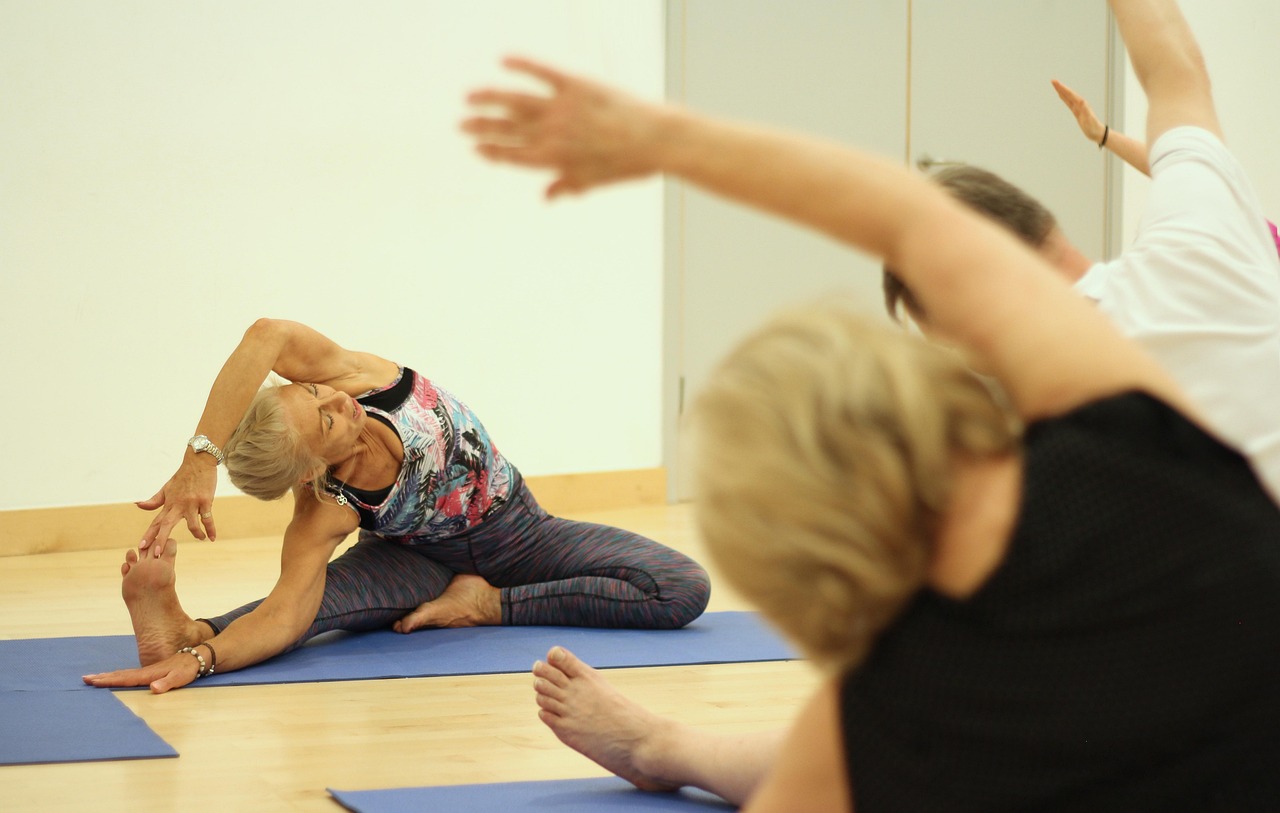
Yoga has gained immense popularity over the years due to its many benefits, including posture improvement. The practice emphasizes correct alignment and awareness of the body, which is essential for maintaining good posture. Poor posture is a widespread issue today, aggravating back pain and other musculoskeletal conditions. Understanding the impact of yoga on posture begins with recognizing how it influences muscle strength and flexibility. By practicing yoga regularly, individuals can enhance their core strength, which supports the spine and promotes proper alignment. Moreover, yoga encourages the awareness of body positions, making practitioners more mindful of their posture throughout daily activities. Research suggests that specific yoga poses effectively target areas of stiffness and discomfort. This engagement of the body not only opens up the muscles but also instills a sense of relaxation, helping to mitigate tension often associated with poor ergonomics. Effective posture is vital in numerous aspects of life, from work to leisure. Thus, yoga becomes a convenient solution for individuals overwhelmed by the demands of modern living, proving that mindful movement can lay the groundwork for better posture and overall health.
A major benefit of practicing yoga is the enhancement of flexibility, which directly relates to improved posture. Flexibility in muscles and joints allows for a full range of motion, enabling individuals to maintain optimal alignment while engaged in various activities. Many individuals suffer from tightness in areas such as the hips, shoulders, and back, restricting movement and leading to postural imbalances. In yoga, each pose helps to stretch and strengthen these muscle groups, balancing the body’s needs. Over time, yoga practitioners experience greater flexibility and strength, which allows them to sit, stand, and move with better posture. Techniques like stretching, deep breathing, and intentional body awareness create a holistic approach to maintaining aligned posture. Studies have shown that consistent yoga practice can even alleviate chronic pain stemming from poor posture by addressing the underlying muscle imbalances. Furthermore, through practices like restorative yoga, practitioners gain insight into their body’s capabilities and limitations. This awareness fosters more conscious and ergonomic positions in various settings, reducing strain and discomfort. Ultimately, yoga cultivates adaptability, promoting the importance of balancing strength and flexibility for enhanced ergonomic health in everyday life.
The Role of Breathing in Yoga
Breath control, known as pranayama in yoga, significantly impacts posture improvement and overall ergonomics. Proper breathing techniques enhance lung capacity and improve oxygen circulation throughout the body. This increased oxygen supply helps the muscles function more effectively, promoting better endurance and performance in yoga poses. Additionally, mindful breathing plays a crucial role in relaxation and stress reduction, benefiting those who struggle with holding tension in their bodies. Poor posture often stems from stress, leading to muscle tightness that hinders proper alignment. By practicing controlled breathing, individuals can minimize these negative physical effects, allowing the body to relax fully. Particularly effective techniques, like deep abdominal breathing, help engage the diaphragm and encourage a natural spinal curve. Yoga inherently combines movement with breath, meaning practitioners learn to synchronize both elements, ultimately improving their posture during yoga and throughout their daily lives. As mind and body become connected, awareness of posture naturally aligns with breath patterns. Consequently, conscious breathing encourages the adoption of ergonomic positions, making it a vital component of any successful posture improvement initiative for those interested in enhancing their overall wellbeing.
Mindfulness is a cornerstone of yoga that contributes significantly to better posture and ergonomics. Through various yoga practices, individuals develop acute awareness of their body and its positioning, which leads to conscious adjustments. This awareness enables practitioners to identify postural habits that may not serve them well, such as rounding the shoulders or slumping the spine. By engaging in poses that foster connection between mind and body, yoga cultivates a sense of embodied awareness that extends beyond the mat. Regular practice fosters an understanding of individual body mechanics, teaching practitioners how they can move safely and efficiently. This knowledge is crucial for making ergonomic choices and promoting appropriate alignment while sitting, standing, or performing physical activities. As mindfulness integrates into daily life, individuals become more adaptive to their surroundings and environments. Incorporating yoga’s principles into everyday tasks helps promote a culture of self-care and attention to body positioning. Consequently, practitioners experience significant benefits, including fatigue reduction, and increased energy levels, which lead to improved productivity and focus. Hormonal and neurological shifts accompanying mindful awareness also contribute to optimal body function, enhancing overall wellness while reducing the likelihood of discomfort associated with poor posture.
Yoga Poses for Posture Improvement
Certain yoga poses are particularly effective in promoting posture improvement and are worth incorporating into a regular routine. Poses like Mountain Pose, Tadasana, are fundamental, focusing on establishing a strong foundation through the feet and engaging core muscles. Warrior I and II are excellent for enhancing lower body strength, while also opening up the hips and shoulders, crucial areas that often contribute to postural imbalance. Another beneficial pose is Cat-Cow, which stretches and strengthens the spine, encouraging flexibility and proper alignment. Child’s Pose serves as a restorative position allowing for a release of tension in the back, fostering awareness of the breath and encouraging relaxation. Incorporating forward folds, like Uttanasana, stretch the hamstrings and illuminate the connection between the upper and lower body. These poses combined create a powerful sequence that targets key areas responsible for posture. In a wellness-oriented society, adopting a regular practice incorporating these poses supports long-term improvements. Practitioners enjoy increased comfort in daily activities while also alleviating discomfort caused by a sedentary lifestyle. Moreover, consistency in practicing these poses nurtures the habit of better ergonomic positioning throughout everyday life.
The physiological benefits of yoga on posture and ergonomics extend deeply into one’s lifestyle. With regular practice, individuals report a heightened sense of body awareness, which translates into more ergonomic choices during daily tasks. Awareness of body movement triggers adjustments that support spine alignment and musculoskeletal health. Additionally, yoga helps to counteract the negative effects of prolonged sitting, which is often detrimental to posture. Many workplace environments foster poor postural habits, leading to discomfort and chronic pain. By integrating yoga breaks or stretches throughout the workday, individuals can relieve tension buildup and prevent postural decline. Moreover, colleagues are encouraged to join; creating a workplace culture emphasizing health and ergonomics. The practice acts as a collective affirmation of well-being, reinforcing benefits across different areas. Employees experience improved focus, mood, and overall productivity levels, fostering a healthier work environment overall. Consequently, implementing yoga teachings into workplace ergonomics paves the way for a proactive approach toward wellbeing. By cultivating a yoga-inspired workspace, employers contribute to their team’s health, ensuring increased motivation, efficiency, and job satisfaction in a world that often prioritizes urgency over holistic care.
Conclusion: Embracing Yoga for Better Posture and Ergonomics
In conclusion, yoga presents a multifaceted approach to enhancing posture and overall ergonomics, addressing both physical and mental aspects. As outlined, consistent practice leads to significant improvements in flexibility, strength, and awareness, which are integral to achieving optimal body alignment. By embracing yoga’s teachings, individuals gain tools to adapt their daily living, making informed ergonomic choices. Furthermore, incorporating breathing techniques and mindful practices empowers practitioners to manage stress, fostering relaxation and reducing physical tension. Regular engagement in yoga not only cultivates better posture but also creates a holistic framework for sustainable health and wellbeing. Organizations and individuals alike should promote yoga as a vital component of health strategies, focusing on posture as a pillar of ergonomic success. As newfound awareness translates to more mindful body movement, the quality of life also enriches and supports healthy aging. In a world equipped with distractive technology and sedentary lifestyles, yoga offers a sanctuary of balance and well-being. Therefore, embracing yoga is ultimately about investing in oneself—both for present and future health—while experiencing transformative benefits that enhance posture, ergonomics, and overall quality of life.
By adopting a yoga practice, individuals can unlock a potential pathway leading toward improved health and wellness. Through resilience, adaptability, and a commitment to mindfulness, the practice encourages individuals to embrace their journey toward better ergonomic alignment in both their personal and professional lives. With the foundation laid in yoga, individuals will find lasting benefits that translate beyond the mat into their everyday activities. Experiencing these benefits fosters a continuous cycle of learning and growth that enhances awareness and aligns personal wellness with career productivity. As attention shifts toward self-care, integrating yoga into routines presents not only an avenue for better posture but a lifestyle choice that empowers individuals to lead healthier, more fulfilling lives.