
Optimizing Hydration with Personalized Nutrition Plans
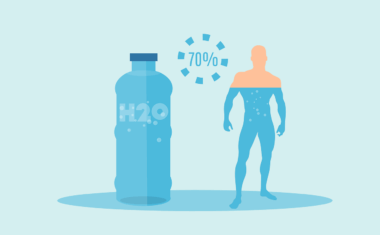
Hydration plays a crucial role in the overall nutrition and health of individuals. Achieving optimal hydration requires understanding how to meet individual needs based on various factors, including lifestyle, activity level, and dietary habits. The human body consists of about 60% water, making it essential to replenish fluids regularly throughout the day. Staying hydrated helps regulate body temperature, transport nutrients, and maintain overall energy levels. Personalizing hydration plans involves assessing daily fluid intake, recognizing adequate sources of hydration, and understanding the impact of electrolyte balance. Many people struggle to consume sufficient water due to busy schedules or lack of awareness of their hydration needs. Keeping track of fluid intake through journals or apps can be beneficial. Furthermore, adding fruits and vegetables high in water content, like watermelon and cucumbers, can help enhance hydration naturally. By tailoring hydration efforts to fit the individual’s nutritional profile and preferences, it becomes easier to achieve optimal hydration, making positive health impacts more likely to occur in the long term.
Understanding Fluid Needs
Fluid needs vary significantly depending on several key variables such as age, sex, weight, climate, and activity level. Generally, the recommendation for daily water intake is approximately 2-3 liters for most adults. However, athletes and those engaged in strenuous physical activity require higher amounts to replace lost fluids effectively. Moreover, hydration is not solely achieved through drinking water; other beverages and food items contribute significantly to one’s total fluid intake. Caffeinated drinks and herbal teas can also be considered, but they often come with varying effects on hydration levels. It’s crucial to listen to one’s body and pay attention to signals such as thirst and urine color to assess hydration status accurately. In many cases, a light yellow urine color indicates adequate hydration, whereas darker shades may suggest a need for increased water intake. Keeping a consistent track of these factors empowers individuals to adjust their hydration practices as needed, ultimately aiding in performance and general well-being.
The importance of nutrients in hydration is often underestimated in personalized nutrition plans. Electrolytes, such as sodium, potassium, and magnesium, play vital roles in hydration and should be incorporated into every hydration strategy. When individuals sweat, they lose not only water but also essential electrolytes that need to be replenished to maintain proper fluid balance. While plain water suffices for basic hydration, incorporating electrolyte-rich drinks during prolonged exercise or exposure to heat can enhance rehydration and performance. Many sports drinks are available, but individuals can optimize hydration by consuming natural options such as coconut water or homemade electrolyte beverages. Balancing fluid intake with the necessary electrolytes fosters overall health and prevents dehydration. Increasing awareness around the relationship between nutrition and hydration can empower individuals to make informed dietary choices that align with their productivity and health goals. The synergy between electrolyte balance and performance is crucial for athletes, helping them achieve optimal outcomes in training and competition.
Alongside electrolyte intake, personalized meal plans should also emphasize the hydration benefits of whole foods. Fruits and vegetables with high water content are essential components of an effective hydration strategy. Foods such as lettuce, strawberries, and oranges can contribute significantly to fluid needs while also providing vitamins and minerals. Integrating these hydrating foods into one’s diet can help maintain optimal hydration while offering additional nutritional benefits, such as improved digestion and energy levels. Meal planning that considers high-water-content foods can effectively create well-rounded nutrition plans focusing on hydration alongside overall health. For individuals looking to lose weight or maintain energy levels, combining hydration strategies with nutritious meals can help prevent fatigue or lethargy. Furthermore, developing an understanding of food preparation methods that preserve water content is crucial for maximizing hydration. Juicing, blending, or consuming salads can serve as delicious, hydrating options, enhancing both taste and hydration.
Listening to Your Body
Listening to your body is paramount when creating a personalized hydration plan. Thirst signals can serve as a major indicator that your body needs more fluids. However, many people overlook this natural cue, especially in busy lifestyles. It’s important to establish routines that include regular breaks for hydration throughout the day, rather than waiting until thirst becomes overwhelming. Experimenting with flavors in beverages, such as adding citrus or herbs, can also make hydration more enjoyable and encourage higher water intake. Additionally, tracking hydration habits through apps or journals offers invaluable feedback on personal fluid intake trends. Utilizing this data can help identify patterns, such as increased needs during particular times of day or in specific activities. By heeding the body’s signals and adjusting hydration plans correspondingly, individuals can significantly enhance their hydration status. The process should be viewed as an ongoing learning experience that progresses over time, ultimately leading to better health and wellness outcomes. Openness to modifying habits based on one’s observations can transform hydration from a chore into a fulfilling aspect of daily life.
Incorporating hydration strategies into overall wellness routines can offer a multitude of benefits, including improved concentration, energy, and physical performance. Personalized nutrition plans should integrate hydration as a core component, complementing food choices and lifestyle practices for maximum effectiveness. Understanding how hydration influences daily well-being not only fosters better health but also supports emotional balance and stress management. Individuals who prioritize hydration often find that they experience improved mood and cognitive function, making them more productive in their personal and professional lives. Educational resources such as workshops, websites, and nutritionists can provide crucial guidance on the relationship between hydration and various quality-of-life factors. Delving into this connection reinforces the holistic approach to health, emphasizing not just what to eat but how hydration complements the overall nutritional framework. Healthy habits, such as carrying a reusable water bottle and seeking hydrating snacks, can foster a more balanced lifestyle. By prioritizing hydration, people can take proactive steps towards a healthier, more fulfilling existence.
Conclusion: Moving Forward
Moving forward, it’s important to establish a routine that incorporates individualized hydration strategies and nutrition plans. As modern lifestyles become increasingly hectic, attention to hydration may diminish. However, prioritizing hydration fosters not only physical health but also overall well-being. To optimize hydration effectively, start small by adjusting daily habits and gradually incorporate more structured plans. It’s essential to remain conscious of how various factors influence hydration needs, including seasonal changes and shifts in activity levels. Engaging in regular physical activities means adjusting water intake accordingly, while adapting meal plans to reflect seasonal produce can enhance access to hydrating food options. Collaborating with nutritionists or healthcare providers can provide insights into personalized hydration plans tailored to one’s specific needs, enabling sustainable advancements in health. Ultimately, the goal is to attain a balance between sufficient hydration and nutrient-rich foods. Acknowledging the significance of hydration gives people the tools needed to enhance their quality of life and achieve lasting wellness.
By focusing on the interconnectedness of hydration and nutrition, individuals can cultivate habits that promote a healthier lifestyle. Emphasizing hydration along with personalization in nutrition plans helps create a comprehensive health strategy. The importance of adequate hydration cannot be overstated, and being proactive in fluid intake can yield significant benefits. With increased awareness and shifts in daily practices, achieving the right balance becomes more accessible and enjoyable. Ultimately, successful hydration and nutrition plans empower individuals to experience optimal health, energy, and well-being. Consistency in applying these principles is vital for achieving lasting results. Reflection on personal hydration habits and receptiveness to adjustments strengthens understanding for ongoing improvements. Individualizing hydration approaches fosters a stronger connection to personal wellness. By intertwining hydration and nutrition in daily life, the journey towards better health becomes fulfilling and holistic. Indeed, nourishing the body effectively involves focusing on both hydration and nutrition as equals in their contributions to overall health and vitality. This combined perspective enables individuals to derive maximum benefits, setting the foundation for lifelong health.