
The Therapeutic Effects of Playing Musical Instruments on Mental Health
Music has always been intertwined with human culture, resulting in therapeutic practices like music therapy. Playing musical instruments offers various benefits for mental health and emotional well-being. Engaging with instruments encourages self-expression and creativity, providing an outlet for emotions that may otherwise be difficult to communicate. Furthermore, research highlights how learning to play an instrument boosts self-esteem, as individuals experience a sense of achievement upon mastering new skills. Additionally, participating in music-making activities fosters social connections, whether through group lessons or informal jam sessions, promoting a sense of community. The act of playing music can also induce a meditative state, reducing symptoms of anxiety and stress. Moreover, playing an instrument improves cognitive functions such as memory and attention, essential for maintaining mental agility as one ages. This article examines how incorporating instrument playing into therapeutic practices could enhance psychological health. In understanding these therapeutic properties, we can apply music in clinical settings effectively. Thus, not only does music provide enjoyment, but it also offers healing for those who seek solace through its melodies and harmonies.
Psychological Benefits of Musical Engagement
Engaging in musical activities, particularly playing instruments, presents numerous psychological benefits that directly enhance mental health. For many individuals, music serves as an emotional release, allowing feelings to be expressed non-verbally. This cathartic experience can alleviate symptoms of depression and anxiety. Furthermore, when playing an instrument, individuals often enter a flow state, characterized by complete immersion and focus. This state not only provides relief from everyday stressors but also encourages mindfulness, as individuals become attuned to their thoughts and emotions. The process of learning an instrument can serve as a mental workout, improving brain function and promoting neuroplasticity. As players master techniques and melodies, they also develop patience and discipline, which are vital traits in mental health recovery. In various studies, individuals who regularly engage in music report higher levels of satisfaction and lower levels of perceived stress. The collaborative nature of music-making can additionally foster meaningful relationships, reducing feelings of loneliness. Overall, the psychological benefits of playing instruments create a positive feedback loop, promoting emotional resilience and enhancing overall wellbeing.
Numerous studies support the notion that musical activities can positively impact mental health in profound ways. For instance, research has demonstrated that learning to play an instrument can lead to significant improvements in emotional regulation, particularly among children and adolescents. In these formative years, the music instruction helps individuals develop critical coping strategies that can mitigate future mental health challenges. Moreover, playing instruments often requires focus and concentration, skills that can be valuable for managing anxiety and stress. Instrumentalists, whether novices or experts, may find that they can channel negative energy into positive creativity. This phenomenon occurs not only through performance but also through composition and practice. Furthermore, various therapeutic settings employ music in conjunction with traditional psychological methods, enhancing the efficacy of treatment protocols. Incorporating music as a supplementary therapy can result in higher patient engagement and satisfaction. It also provides a wonderful opportunity for individual expression during challenging times. Consequently, music therapy has gained traction in clinical environments, proving its worth as an integral component of holistic mental health care.
Incorporating Music into Therapy
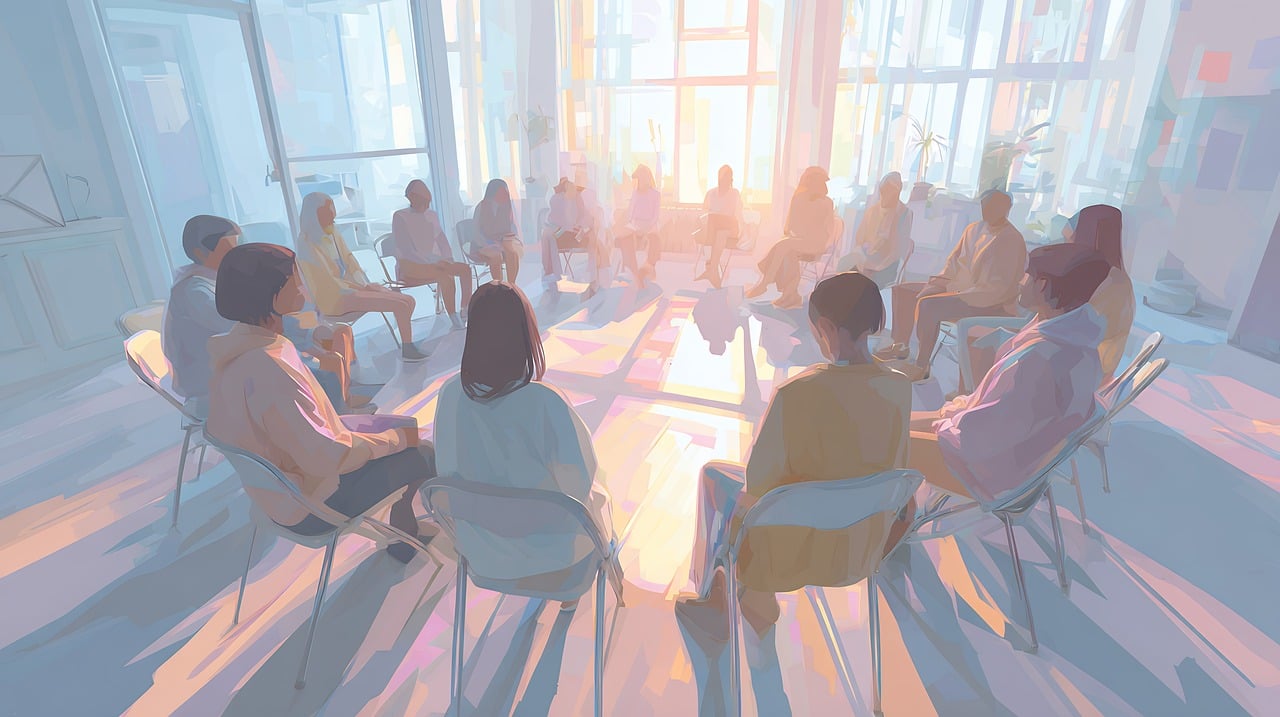
Integrating musical instruments into therapeutic practices can significantly enhance patient experiences and outcomes. Art and music therapy utilize creativity to help individuals explore their feelings, process traumatic experiences, and find healing modalities. Music’s unique ability to access emotions makes it a powerful tool within therapeutic settings. For instance, a therapist may guide a patient through improvisational playing, allowing them to express feelings they might not be able to articulate in words. This process can facilitate discussions about their emotions post-performance. Additionally, therapists may use familiar songs to evoke memories and reflections, helping individuals navigate their past. The structured approach around musical practices, such as scale exercises or rhythmic exercises, can also introduce a sense of routine and stability that many individuals need. Incorporating group sessions often leads to instances of camaraderie, thus fostering community support. Patients may also discover that learning or improving their musical skills boosts their confidence and self-efficacy. This positive self-image is crucial for mental health recovery. By leveraging the therapeutic effects of music and instruments, we can create impactful interventions that resonate deeply with individuals in need.
Creativity and innovation are crucial elements of music therapy, paving the way for alternative mental health treatments. In this regard, therapists may encourage clients to explore their own musical capabilities, experimenting with sounds and rhythms that resonate with their personal experiences. Encouraging individuals to compose original music provides them with a safe space to process their emotions and experiences, fostering a sense of ownership over their feelings. Instrument playing is often accompanied by improvisation, allowing clients to react to their moods and express feelings freely. Additionally, the therapeutic benefits of music are not limited by age, as people of all generations can find healing through this art form. Elderly individuals, for instance, may take solace in playing instruments, unlocking memories and joy through familiar tunes. Such engagement can significantly improve cognitive functions and reduce feelings of isolation within this demographic. Group musical activities can also foster intergenerational bonding, creating connections across age groups. Thus, musical engagement stands as a versatile and inviting option for therapy across different life stages, catering to various emotional needs.
Physical Benefits of Playing Instruments
Beyond its psychological advantages, playing musical instruments also promotes physical health, contributing to overall well-being. Playing an instrument requires physical coordination and fine motor skills, engaging various muscle groups and enhancing dexterity. This engagement can improve hand-eye coordination and boost confidence in performing tasks requiring manual skill. Regular practice can also lead to improved posture and endurance, particularly when playing instruments such as the piano or guitar. Additionally, the aspect of breath control in wind instruments provides valuable benefits for the respiratory system, enhancing lung capacity and promoting relaxation. The rhythmic aspects of music can also provide cardiovascular exercise, promoting physical health alongside mental well-being. Furthermore, playing instruments often leads to the creation of a routine, encouraging individuals to engage in regular physical activity that supports their mental and emotional health. Through the act of learning and playing, individuals may find themselves more inclined to participate in social activities, inviting opportunities for collaboration and shared experiences. By understanding the physical benefits of musical performance, we can further advocate for its incorporation into holistic mental health treatment plans.
As we consider the comprehensive effects of music on mental health, it’s essential to recognize its role in various life situations. Music has played a role in cultural celebrations, rituals, and even stress relief for ages. Participating in community music groups or bands can foster a supportive environment that nurtures individuals as they navigate their emotional challenges. Music’s ability to connect individuals allows it to serve as a bridge between personal healing and community support. Research shows that collective music-making can offer feelings of belonging and shared purpose, helping alleviate loneliness and promote mental wellness. Moreover, social connections made through musical activities can lead to lasting friendships, further contributing to emotional support. Overall, the societal aspects of musical engagement reinforce the understanding that music serves vital functions beyond just personal enjoyment. Its importance in therapeutic settings emphasizes that playing instruments can be a powerful ally in mental health and wellness. The journey towards healing often includes various elements, and music stands as one of the most impactful choices available to individuals seeking solace in their personal struggles.