
How Wearable Integration Software Supports Rehabilitation Exercises
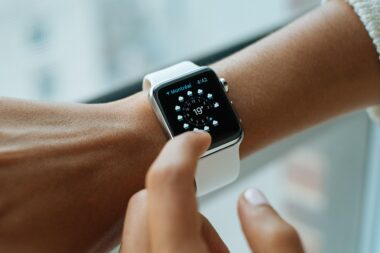
In the evolving world of healthcare technology, incorporating wearable integration software plays a monumental role in rehabilitation exercises. Wearable devices like smartwatches and fitness bands capture relevant data, including heart rates, movements, and sleep patterns. This data is instrumental in creating personalized rehabilitation programs for patients recovering from injuries and surgeries. Furthermore, integrating wearables with specialized software allows healthcare professionals to monitor patient progress effectively. They can adjust rehabilitation plans based on real-time feedback to ensure optimum recovery. For example, with accurate data tracking, physiotherapists can identify patterns indicating improvement or areas requiring more attention. Moreover, wearable integration software enhances patient engagement by providing motivational goals and regular feedback. This active involvement promotes accountability and can lead to better outcomes. Patients who utilize wearables during their rehabilitation are often more invested in their recovery journey. This technology creates a comprehensive support system that connects patients and providers. Therefore, the combination of wearable technology and effective software is changing how rehabilitation exercises are approached and executed, ensuring improved recovery paths for patients.
The Role of Data in Rehabilitation
The integration of wearable technology within rehabilitation exercises centers on the significant role of data collection. Data analytics becomes essential in examining how rehabilitation exercises impact a patient’s physical health and wellbeing. These wearables gather metrics such as steps taken, distance traveled, and consistency in performing specific exercises. This information can illuminate trends and help identify which exercises yield the most improvement. By studying these patterns, healthcare providers can tailor rehabilitation plans that align closely with each patient’s requirements. Moreover, trends noted in data can inform adjustments to exercise intensity, duration, and frequency, optimizing recovery strategies. Patients also benefit immensely from receiving accessible visualizations of their progress over time, enhancing their motivation. Viewing tangible results acts as a catalyst for action, encouraging them to stick to their rehabilitation plans. Consequently, harnessing the power of data from wearable devices fosters transparent communication between patients and their healthcare teams. This collaboration is vital for refining rehabilitation strategies, ultimately setting the stage for successful recoveries and improved patient outcomes.
Furthermore, wearable integration software empowers patients to play an active role in their rehabilitation. Often, recovering individuals may encounter feelings of isolation or confusion regarding their recovery journey. With the assistance of wearable technologies, patients have continuous access to structured programs and motivational insights. This approach alleviates uncertainty, providing clarity about expectations during the rehabilitation process. Through unique interfaces on smartphones or other devices, users can interact with the software to receive reminders for exercises and track their daily progress. This daily tracking can greatly enhance commitment levels to prescribed regimens. Additionally, it fosters transparency, as patients are continually aware of their accomplishments or areas needing improvement. Importantly, wearable integration software also facilitates seamless communication with healthcare professionals. Regular updates can be shared amongst various stakeholders, ensuring everyone is informed about the latest developments in a patient’s rehabilitation process. By promoting involvement, this technology breeds a sense of empowerment among patients. This empowerment does not only positively influence recovery outcomes but fosters psychological resilience necessary for post-rehabilitation life challenges.
Enhancing Communication Between Patients and Providers
Wearable integration software bridges the communication gap between patients and healthcare providers. Traditional rehabilitation methods often involved periodic check-ins, resulting in delayed feedback and potential misalignment in treatment plans. However, the advent of wearable technology has revolutionized this interaction by facilitating quicker exchanges of information. Healthcare professionals can instantly access patient data remotely, allowing timely adjustments to rehabilitation plans without needing in-person visits. This immediacy enhances the overall effectiveness of treatment. Furthermore, with integrated software platforms, patients can share their experiences and concerns directly with their providers, leading to a collaborative approach to rehabilitation. Patients no longer feel voiceless in their recovery journey; instead, they are contributors to their health management. Enhanced communication nurtures a mutual understanding and fosters trust between both parties. Moreover, it allows healthcare providers to identify potential challenges early on, addressing them before they escalate. Consequently, incorporating wearable integration software not only augments communication but also catalyzes a more effective and patient-centered rehabilitation process, ensuring that both patients and providers work together toward successful recovery.
Another critical aspect of wearable integration software is the emphasis on customizable rehabilitation programs. Each patient has unique needs, recovery times, and physical challenges they must navigate during rehabilitation. Wearable technology caters to this variability by allowing physiotherapists to create highly tailored exercise protocols that align with patients’ specific conditions and goals. Through ongoing data analysis, practitioners can identify what works best for each individual, making appropriate adjustments as needed. This personalized approach significantly increases the likelihood of reaching rehabilitation milestones and enhances patient satisfaction. Moreover, customizable software enables the integration of various therapeutic modalities, including strength training, flexibility exercises, and functional movements. By providing diverse options, patients can complete exercises that suit their interests and abilities, further promoting adherence to their rehabilitation plans. Such engagement with varied exercises also helps to prevent boredom, which can affect motivation. Ultimately, ensuring adaptability in rehabilitation programs via wearable integration can make a notable difference in patient outcomes, validating the importance of such software in modern rehabilitation strategies.
Future Trends in Wearable Integration Software
Looking ahead, the future of wearable integration software holds promise for enhancing rehabilitation exercises. Technological advancements are expected to create more sophisticated wearables that provide even deeper insights into health metrics. Future iterations may integrate artificial intelligence systems capable of predicting individualized recovery needs based on historical data patterns and ongoing performance metrics. This predictive capability could transform rehabilitation by allowing proactive interventions before patients face potential setbacks in their recovery journey. Additionally, the incorporation of virtual and augmented reality could create immersive rehabilitation experiences with step-by-step guidance for patients, further enhancing engagement and effectiveness. These innovative solutions will likely address various challenges in rehabilitation, including accessibility and adherence. Equally important, interdisciplinary collaboration will play a key role in shaping future wearable integrations. By combining expertise from healthcare professionals, software developers, and researchers, the design and functionality of integration tools can evolve to meet patient needs comprehensively. As technology continues to advance, integrating wearables into rehabilitation will likely become a standard practice, leading to improved patient outcomes and a more streamlined recovery process.
In summary, wearable integration software represents a transformative shift in rehabilitation exercises, making the healing process more efficient and personalized. The continuous evolution of healthcare technology enhances patient engagement and encourages active involvement in their recovery journey. Through advanced data collection and real-time feedback, healthcare providers can create customized plans and monitor patient progress more effectively. Moreover, the emphasis on building strong communication channels between patients and providers fosters an atmosphere of support and collaboration. As rehabilitation methodologies integrate wearables more comprehensively, patients enjoy greater autonomy and motivation during recovery. The potential for future advancements in this space opens doors for innovative practices that can revolutionize how rehabilitation is approached in healthcare. Ultimately, a holistic approach that ties together technology, data analysis, and patient-centric care can lead to superior outcomes. With the ongoing growth of wearable integration software, enhanced patient satisfaction and improved success rates in rehabilitation are on the horizon, ensuring that patients can reclaim their health proactively and effectively.