
Flexibility and its Role in Maintaining Coordination
Flexibility plays a crucial role in maintaining coordination as people age. As we grow older, our muscles naturally lose elasticity, making it essential to focus on stretching and flexibility exercises. These practices enhance the body’s ability to move efficiently without strain. Improved flexibility contributed not only to physical well-being but also to psychological health. Maintaining a flexible body allows for smoother transitions between movements, reducing the risk of falls and injuries. Incorporating a range of flexibility exercises can also significantly improve balance, which is vital for older adults. Activities such as yoga and pilates are particularly beneficial as they target multiple muscle groups while promoting mindfulness. Importantly, consistency is key; integrating flexibility training into daily routines can lead to measurable improvements in overall coordination. Engaging in these activities helps maintain independence as people age, offering a sense of accomplishment and control over their bodies. Therefore, recognizing the importance of flexibility in the context of aging can empower individuals to take proactive steps towards enhancing their quality of life through effective coordination improvement strategies.
Regular engagement in flexibility exercises is key to maintaining a stable physical foundation for coordination. As flexibility enhances muscle function, it enables smoother and more controlled movements, which are essential for daily tasks. Older adults often experience reduced joint mobility, which can hamper balance and coordination. Thus, introducing targeted stretching routines can combat these effects. Based on individual capabilities, exercises can include dynamic stretches, static stretches, and even supportive activities like Tai Chi. Regularly implementing these exercises may also increase blood circulation, promoting overall vitality. Furthermore, maintaining flexibility can lead to a heightened awareness of one’s body and movement patterns. This awareness is vital in preventing falls, which remain a significant concern for seniors. By cultivating flexibility, individuals can enhance their proprioceptive abilities, understanding where their limbs are in space without visual cues. This knowledge contributes to improved spatial awareness and coordination, yielding significant rewards in daily living. Embracing a flexible lifestyle not only supports physical health but also enhances emotional resilience, allowing older adults to face changes with confidence and adaptability.
The Impact of Flexibility on Daily Activities
Flexibility significantly impacts daily activities, improving the quality of movement. For seniors, seamless mobility means increased independence and reduced reliance on assistance. Simple tasks such as bending down to pick something up, walking, or climbing stairs become easier with enhanced flexibility. Coordination is vital for executing these movements safely and effectively; limited flexibility, however, leads to compensatory movements which strain muscles and contribute to injuries. Incorporating flexibility routines can, therefore, help maintain daily function. Resistance training further complements flexibility exercises by strengthening the muscles supporting joint stability. Implementing strength training alongside flexibility work enhances overall performance and safety during various daily activities. Group classes focusing on flexibility and coordination often provide social interaction, fostering a sense of community among participants. Connection with like-minded individuals can lead to sustained motivation to remain active and engaged in physical activities. Older adults should embrace both the recreational and health benefits of flexibility routines. The cumulative impact of these practices ultimately enriches their lives, promoting longevity and reducing the fear of physical decline.
Flexibility also plays a crucial role in sports and recreational activities, which are vital for maintaining coordination. Older adults often seek ways to stay active and engaged in their hobbies, whether it’s gardening, dancing, or playing badminton. All these activities require a unique blend of flexibility and coordination to execute movements effectively. By dedicating time to flexibility training, seniors can enhance their participation in these activities, thereby enriching their lives. Many sports rely on precise movements that require a great extent of flexibility. Engaging in sports not only promotes physical fitness but also affects mental health positively. The social aspect of participating in sports can lead to new friendships and community connections, which are essential for maintaining emotional well-being. Older adults can benefit immensely from programs that focus on balance, coordination, and flexibility, all in a friendly and non-intimidating environment. Therefore, encouraging older individuals to partake in both flexibility and recreational activities yields far-reaching benefits. Ultimately, fostering a culture of active living through flexibility routines can contribute significantly to maintaining coordination as they age.
Strategies for Enhancing Flexibility
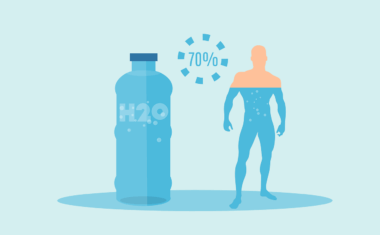
To effectively enhance flexibility, certain strategies can be adopted, incorporating different approaches. Regular stretching routines should be a priority, focusing on major muscle groups crucial for coordination. Gentle warm-up exercises prepare the body for dynamic movements, thus making stretching more effective. It’s essential to hold stretches for enough time to allow muscles to adapt, typically recommended at about 20-30 seconds. Incorporating hydration and nutrition into one’s routine cannot be overlooked; adequate hydration helps keep muscles pliable while proper nutrition supports recovery from exercise. Consider seeking out local classes specializing in yoga, Pilates, or Tai Chi for guidance; professional instructors provide valuable feedback and ensure exercises are completed safely. Additionally, practicing at home with instructional videos or guides can facilitate consistent practice between classes. Gradually increasing the intensity and duration of stretches will yield optimal results over time. Tracking progress helps maintain motivation and highlights areas needing improvement. Flexibility should not be considered a one-time effort but an ongoing journey that contributes to enhanced coordination, reduced injury risk, and overall physical well-being.
Setting realistic and achievable goals related to flexibility can enhance commitment to this practice. Begin by assessing current flexibility levels and identify specific areas requiring improvement. Progress could be measured using flexibility assessments like sit-and-reach tests that offer clear, tangible results. Establishing a regular schedule dedicated to flexibility training reinforces healthy habits; committing to just 10-15 minutes daily can yield significant improvements over time. However, listen to one’s body and avoid overstretching or pushing too hard, as this can lead to injuries hindering progress. It’s essential to remember that each person’s body responds differently to stretching and flexibility exercises. Enjoying the process and incorporating variety into routines can also keep motivation high. Experimenting with various types of stretches or engaging in classes can bring novelty to the training. Partnering with friends or family can lead to shared experiences and accountability. Ultimately, the benefits of improved flexibility extend beyond increased coordination, encompassing enhanced quality of life for older adults as they navigate their daily routines more confidently.
Conclusion: The Essential Benefits of Flexibility
In conclusion, flexibility is paramount in maintaining coordination as individuals age, significantly enhancing their quality of life. It contributes to safer movement patterns, reduced injury risks, and improved performance of everyday tasks. Through consistent engagement in flexibility training, older adults can enjoy the benefits of increased functional ability. This physical capacity leads to greater independence, empowerment, and emotional wellness. Social interactions through group classes or community engagement further enrich the experience, fostering connections that combat loneliness often associated with aging. Empowering seniors through an understanding of flexibility’s critical role helps them embrace an active lifestyle confidently. Encouraging participation in flexibility-enhancing activities can create a ripple effect of positive changes across various aspects of life. As coordination improves with enhanced flexibility, individuals may find greater joy in their hobbies and social interactions. Moving forward, integrating flexibility training into daily routines should be prioritized for seniors seeking to maintain an active and engaged life well into their golden years. Flexibility is not just about stretching; it’s a vital component of lifelong health, helping individuals navigate their world with grace and agility.
In summary, flexibility plays an essential role in enhancing coordination for older adults. It contributes to safer movements, reducing risks of falls and injuries. Incorporating regular flexibility exercise into daily routines promotes this necessary agility. By understanding its significance in aging, individuals can empower themselves to embrace healthier lifestyles, demonstrating that age should not limit one’s ability to move freely and confidently. Through targeted exercises, seniors can improve both flexibility and coordination essential for maintaining independence. Practicing these movements not only fosters physical resilience but also leads to enhanced emotional well-being. Ultimately, the interplay between flexibility and coordination is vital for enriching one’s life experience as they grow older. Strengthening these areas can significantly impact overall health, promoting a vibrant and active lifestyle that enriches every moment of daily living. Therefore, engaging in flexibility and coordination exercises should be an integral part of health regimens for seniors, opening a pathway to longevity and vitality in their lives.