
How to Break Your Fast on a Keto Diet for Optimal Results
When you are practicing intermittent fasting while following a keto diet, knowing how to break your fast is crucial for achieving optimal results. After an extended fast, your body becomes efficient at burning fat, which aligns perfectly with keto principles. To ease your body back into eating, start with a small portion of a keto-friendly food. This might include avocados, bone broth, or a handful of nuts. The idea here is not to overload your digestive system but to reintroduce nutrients gradually. A gentle approach allows your body to adjust. Alongside this, drink plenty of water, which is essential for hydration and helps your body transition back. Consider incorporating electrolytes, like sodium and potassium, to replenish lost minerals due to fasting. This combination not only helps you avoid any digestive discomfort but also supports ketosis. Remember, avoiding high-carb meals initially will keep your body in a fat-burning mode. You want to maintain the metabolic advantages the fast has provided while enjoying the benefits of a ketogenic diet. The right strategy significantly enhances your intermittent fasting experience.
To optimize your keto diet when breaking a fast, make careful choices regarding what and when you eat. Start with nutrient-dense foods low in carbohydrates and high in healthy fats. Foods such as eggs, fatty fish, and cheeses serve as excellent options. Avoid processed foods since they can disrupt your ketosis and lead to sugar cravings. Monitor your response after breaking your fast. If you feel energized, continue with balanced meals while keeping carb intake significantly lower than your protein and fat intake. It is also vital to engage in mindful eating practices. Chew your food thoroughly and take your time. This ensures that your body adequately receives nutritional information and signals from the stomach to the brain. You should pay attention to your hunger levels and stop eating when you’re about 80 percent full. This prevents overeating, which can occur if you consume larger meals immediately after fasting. Long-term, maintain this mindfulness approach to cultivate a healthy relationship with food during your keto diet.
Key Foods to Break Your Fast
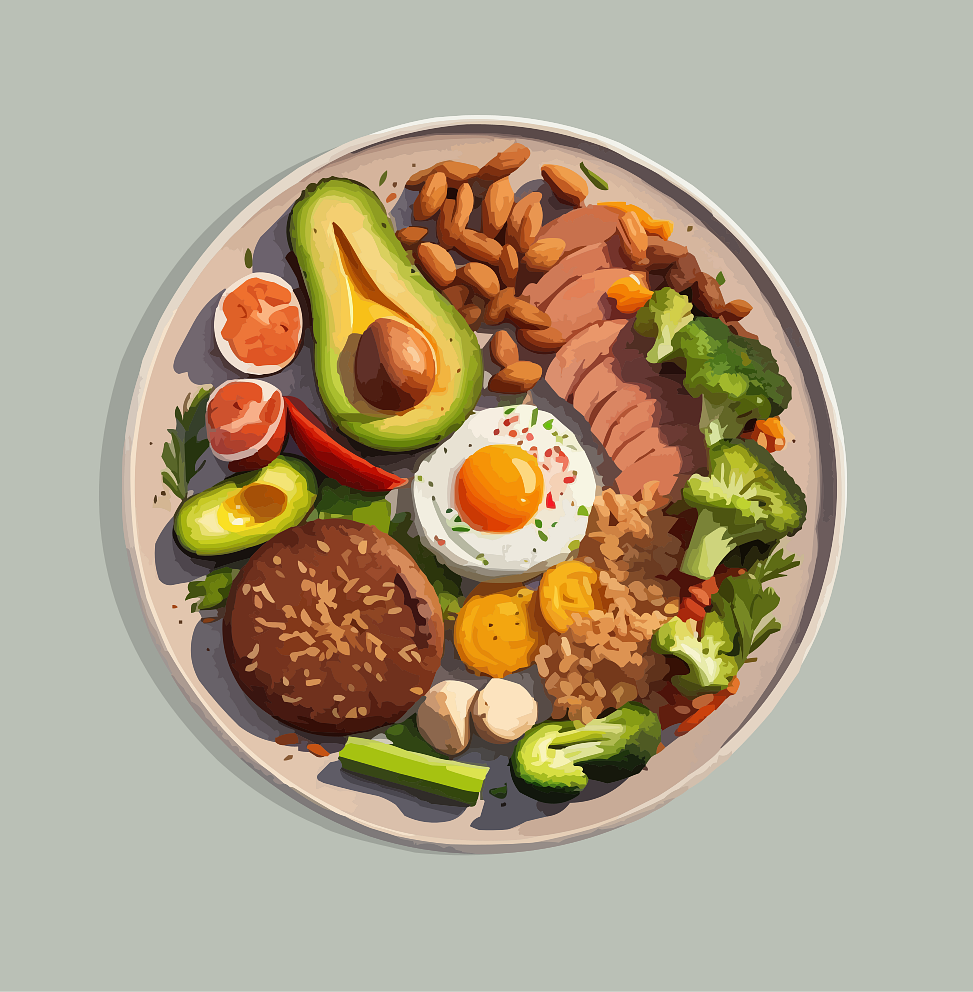
Choosing the right foods when breaking your fast can significantly influence your energy and metabolism. Consider breaking your fast with a serving of avocados, as they are packed with healthy fats and nutrients. Their low carb content supports your ketogenic goals, making them an ideal first-meal choice. Additionally, adding a protein source such as eggs provides essential amino acids necessary for muscle repair and growth. Chia seeds combined with almond milk can offer a healthy mix of fiber and fats, promoting digestion and fullness without spiking your blood sugar. Incorporate non-starchy vegetables, such as spinach or kale, which allow you to meet your micronutrient needs. These vegetables can be sautéed with olive oil for added taste and fat. Bone broth stands out as another excellent option, providing a rich source of electrolytes that aid rehydration post-fast. A good balance of proteins, fats, and low carbs ensures that your blood sugar remains stable, promoting sustained energy. This careful selection primes your body for continued success on both intermittent fasting and keto diet protocols.
As you experiment with breaking your fast, pay attention to timing as it can be just as important as food choice. Experts recommend breaking your fast during the strategic window that aligns with your body’s natural rhythms, typically later in the day. Eating in this manner leads to more effective metabolism and fat-burning capabilities. Beyond mere timing, experiment with meal frequency to discover what works best for you. Some individuals thrive on eating just two meals a day, while others prefer three smaller meals. It’s essential to listen to your own hunger signals instead of adhering strictly to popular meal frequencies. Implementing regular intermittent fasting can influence overall health but finding a personalized routine is key. This journey involves tracking your body’s responses to various foods and times. Keep a food diary to help you identify what leaves you feeling energized and satisfied. Use insights to refine your approach further, paving the way for a successful combination of intermittent fasting and keto. Embrace this journey toward optimal well-being.
Monitoring Your Body’s Response
Your body’s reaction after breaking a fast on keto can indicate how well your choices align with your goals. Common responses include maintenance of steady energy levels, positive moods, and effective digestion. On the other hand, feeling sluggish or experiencing digestive upset indicates that adjustments might be necessary. Pay attention to these signs and respond accordingly by tweaking food types and portion sizes. For instance, if you regularly feel tired post-meal, it may signify that you’re consuming too many carbohydrates for your body to handle efficiently. Keep track of events like weight changes and any shifts in your mental clarity. These factors offer important insights into how the combination of intermittent fasting and keto is working for you. You might also consider regular blood tests to keep track of ketone levels, glucose levels, and electrolyte balance. Working closely with a nutrition coach can provide additional accountability. Everyone’s body is somewhat unique, therefore, tailoring your approach is vital to finding long-lasting success.
Incorporating high-quality electrolytes into your post-fast routine is another important consideration while on a keto diet. After an extended fasting period, it is common for your body to lose minerals like sodium and potassium, which are crucial for optimal cellular function. Consider consuming foods rich in these minerals, such as avocados, nuts, and dark leafy greens. If you’re training regularly, you might even want to consider a supplement that targets electrolyte replenishment. Proper hydration is also key when breaking a fast, particularly after several hours without water. Aim to drink an adequate amount of water throughout the day to support metabolic processes and reduce headaches. Pay attention to signs of dehydration, such as dry mouth, fatigue, or dizziness. Consuming electrolyte-rich beverages, like bone broth or sugar-free electrolyte drinks, may aid your recovery and improve energy levels. Prioritizing these aspects creates an environment conducive to both your fasting and keto diet. When your body is well-hydrated and nourished, it performs at its best.
Conclusion: Aligning Your Approach
In conclusion, breaking your fast on a keto diet requires careful consideration and strategic planning. Start with small portions and nutrient-dense foods that support your keto journey. Being mindful of food selections and their timing is crucial as it enhances your overall experience with intermittent fasting. Keep track of how your body reacts and be willing to make adjustments when necessary. As you build a relationship with food rooted in mindfulness, you can enjoy the benefits of improved energy levels, weight management, and enhanced well-being. Don’t forget the importance of hydration and electrolytes to sustain efficient bodily functions. Initially, you may feel some trial and error, but persistence will lead to discovering an effective routine unique to you. Over time, this method will cultivate lasting habits that support not only your fasting regimen but also long-term health. Remember that every journey is unique; trust in your process and remain committed to reaching your personal goals. Embrace each step on this journey toward improved health with confidence and an open mind.
Supplementing Your Journey
As you dive deeper into the world of intermittent fasting combined with a keto diet, consider adding supplements that can support your journey. Omega-3 fatty acids, for instance, provide essential fats that can enhance heart health and cognitive function. These healthy fats complement a ketogenic approach beautifully. Additionally, consider magnesium, which plays a vital role in over 300 biochemical processes in the body. This mineral can potentially ease muscle cramps often associated with low-carb diets and promote a restful night’s sleep. Supplementing with vitamins D and B12 may further bolster your nutrient intake, ensuring your body has the necessary resources during fasting and ketogenic phases. Always consult with a healthcare professional to tailor the right supplements to your needs, particularly if you have underlying health issues. Easy-to-digest forms of protein powder can be handy post-fast, helping you meet protein requirements without feeling heavy. These straightforward adjustments enhance your overall experience and allow for smoother transitions when returning to eating post-fast. With the right strategy and tools, you can master keto and intermittent fasting for lasting success.