
The Role of Yoga in Managing PTSD Symptoms
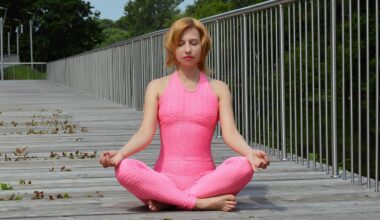
Post-Traumatic Stress Disorder (PTSD) profoundly impacts individuals, causing a range of emotional and psychological symptoms. Traditional treatments often involve medications and psychotherapy. However, holistic approaches, including yoga, have gained attention as effective methods to alleviate symptoms. Yoga, rooted in ancient philosophies, emphasizes the unity of mind and body. This practice not only promotes relaxation, but also helps individuals reconnect with their physical selves. By focusing on breathing, mindfulness, and gentle movements, yoga can facilitate a release of pent-up emotions and traumatic memories, helping those with PTSD reclaim their sense of self. Numerous studies indicate that yoga can reduce symptoms such as anxiety, depression, and hyperarousal associated with PTSD. Moreover, the practice fosters resilience and promotes coping mechanisms that empower individuals. It allows practitioners to develop new perspectives on their trauma through increased awareness of the present moment. Research has shown that yoga can enhance the body’s response to stress by reducing cortisol levels, the hormone associated with stress. This serves as a beneficial pathway for individuals struggling with PTSD, granting them tools for healing and recovery through mindful movement and breath.
Many individuals affected by PTSD experience a disconnection from their bodies, often feeling detached or numb. Yoga addresses this issue, presenting practices that encourage bodily awareness. By engaging in physical postures, or asanas, individuals can learn to listen to their bodies, honoring sensations and emotions often suppressed. The slow, deliberate movements of yoga can promote grounding, which can be especially beneficial for those who feel overwhelmed. Mindfulness practices within yoga help individuals to observe their thoughts and emotions without judgment. Incorporating breathwork into the practice enhances this awareness further. Deep, intentional breathing activates the parasympathetic nervous system, which induces relaxation and mitigates the fight-or-flight response prevalent in PTSD. This connection between breathing and emotional regulation can be transformative. Participants often report feelings of calmness and stability after sessions. Additionally, community classes provide valuable social support. Through shared experiences in a safe environment, individuals can feel less isolated in their journey toward recovery. Engaging in group yoga can cultivate a sense of belonging, lessening feelings of loneliness. By embracing this community aspect, yoga not only serves as a personal healing tool but fosters connections with others.
Yoga Techniques for PTSD Relief
Specific yoga techniques are particularly beneficial for managing PTSD symptoms effectively. Gentle styles, such as Hatha or Restorative yoga, emphasize relaxation and stress reduction. These classes focus on restorative poses, allowing practitioners to engage in softer movements that promote gentleness in the body. Additionally, techniques like guided meditation accompanied by specific breathing exercises help individuals center themselves. The use of props, such as bolsters or blankets, provides support, enhancing comfort during practice. Practitioners might also engage in specific postures known to relieve tension, such as Child’s Pose or Legs-Up-The-Wall. These postures assist in aligning the body and calming the mind. Moreover, Sequential Vinyasa flow can help individuals regain a sense of agency as they flow through poses at their own pace. It’s essential to tailor practices according to individual needs, observing how different postures resonate throughout the body. Embodying these teachings allows practitioners to build a toolkit they can employ effectively outside of class environments. As such, yoga becomes a self-care strategy enabling individuals to navigate their daily lives more peacefully.
Mindful movement also resonates with the concept of self-compassion, a crucial element in healing from trauma. Through yoga, individuals cultivate a sense of compassion for themselves, recognizing that healing is not linear. This forgiveness and kindness towards oneself can be revolutionary for trauma survivors. Learning to accept their journey, including setbacks, allows individuals to embrace themselves wholly. Significantly, this approach to self-compassion can influence emotional well-being positively. As practitioners strengthen their mind-body connection, they develop tools to manage anxiety and intrusive thoughts effectively. Yoga serves as a reminder for individuals to be present, offering space to process emotions without becoming overwhelmed. These practices contribute to a deeper understanding of their responses to triggers or stressors, enabling better emotional regulation. Being present cultivates resilience, empowering individuals to confront challenges rather than avoid them. Ultimately, weaving a narrative of self-acceptance and understanding nurtures mental well-being, fostering a renewed sense of hope and strength on the healing journey. Integrating these practices into everyday life can lead to lasting change, reshaping how individuals approach their experiences and trauma.
The Scientific Basis of Yoga’s Efficacy
Research supporting yoga as an intervention for PTSD has expanded in recent years, highlighting its effectiveness. Multiple studies indicate that individuals practicing yoga regularly report significant reductions in PTSD symptoms. Randomized controlled trials demonstrate yoga’s ability to improve emotional regulation and reduce anxiety-related behaviors. Neurobiological research suggests that consistent yoga practice may enhance the brain’s ability to process and integrate traumatic memories. Enhanced vagal tone, often associated with regular practice, allows for better emotional regulation and resilience under stress. This physiological response enables individuals to calm themselves more efficiently, regulating the body’s stress response. Furthermore, the integration of mindfulness fosters changes in brain structure and function, particularly within the prefrontal cortex. This area of the brain plays a vital role in regulating emotions and decision-making. With consistent practice, individuals can experience changes that promote mental clarity and balance. Additionally, yoga’s impact on decreasing cortisol levels contributes significantly to enhanced emotional and physical health. Thus, yoga not only serves as a practical tool but also aligns with neuroscientific findings that support its role in recovery from trauma.
Community initiatives often emerge alongside yoga programs focused on PTSD, enriching outreach and recovery strategies. Such programs provide accessible avenues for veterans, first responders, and trauma survivors to participate in healing yoga sessions. Community-based efforts foster camaraderie, enhancing the healing process. By joining group sessions, participants create bonds through shared experiences, decreasing feelings of isolation. This collective participation encourages individuals to share their journeys, promoting understanding and empathy among peers. Additionally, instructors trained in trauma-sensitive yoga can adapt practices to accommodate different needs while ensuring safety. These modifications create an inclusive atmosphere, allowing individuals to engage fully in their practice. Many organizations also offer free or low-cost classes specifically tailored to those with PTSD, increasing access to therapeutic benefits. Encouraging participation in these initiatives can serve as stepping stones toward broader healing practices within communities. Such visionary approaches reflect a recognition of the importance of mental health and emotional wellness throughout society. By embodying support and understanding, community yoga initiatives create safe havens for those healing and reclaiming their lives after trauma.
Conclusion: Embracing Yoga for Healing
Integrating yoga into the recovery journey for individuals with PTSD offers a pathway toward healing and transformation. This practice encourages a holistic approach by uniting the mind and body. Yoga fosters self-awareness, emotional regulation, and resilience, granting individuals tools to navigate their experiences more effectively. As evidence mounts regarding its positive impact on mental health, more people are recognizing the value of incorporating yoga into their healing routines. Individuals seeking alternatives or additional strategies to traditional therapies find solace in yoga’s embrace. Such practices encourage personal empowerment through self-compassion and mindfulness, nurturing emotional balance. Furthermore, community engagement within yoga programs reinforces social support, essential for recovery. Individuals realizing they are not alone in their struggles can find inspiration and hope. Emphasizing yoga’s benefits empowers individuals to take charge of their healing journey. As individuals continue to explore the therapeutic potential of mind-body practices, yoga stands out as a beacon of light amid healing’s complexity. By embracing this journey with openness, individuals discover pathways toward reclaiming their lives and fostering renewed strength and hope.