
Adaptive Fitness Equipment Designed for Kids with Disabilities
Adaptive fitness equipment plays a vital role in helping children with disabilities engage in physical activities tailored to their needs. These specialized tools enable kids to participate alongside their peers, fostering inclusion and promoting overall health. Not only do these options cater to various abilities, but they also incorporate unique features that enhance usability. Adaptive fitness equipment can alleviate common barriers faced by children disabilities, ensuring their safety and comfort during workouts. This ensures they can experience the joy of movement, which is crucial for mental health, development, and social engagement. Testing and evaluating adaptive equipment are essential to achieve the best fit for each child. Every piece of equipment should be designed with safety features, adjustable settings, and ergonomic considerations. Curriculums centered on adaptive fitness can improve physical capabilities while boosting self-confidence. Programs should encourage collaborative play and promote teamwork, improving the social-emotional wellbeing of children with disabilities. With the right adaptive fitness equipment, children can enjoy activities that contribute to their overall sense of empowerment and achievement. It’s vital for communities, schools, and parents to support initiatives promoting adaptive fitness in local resources and facilities.
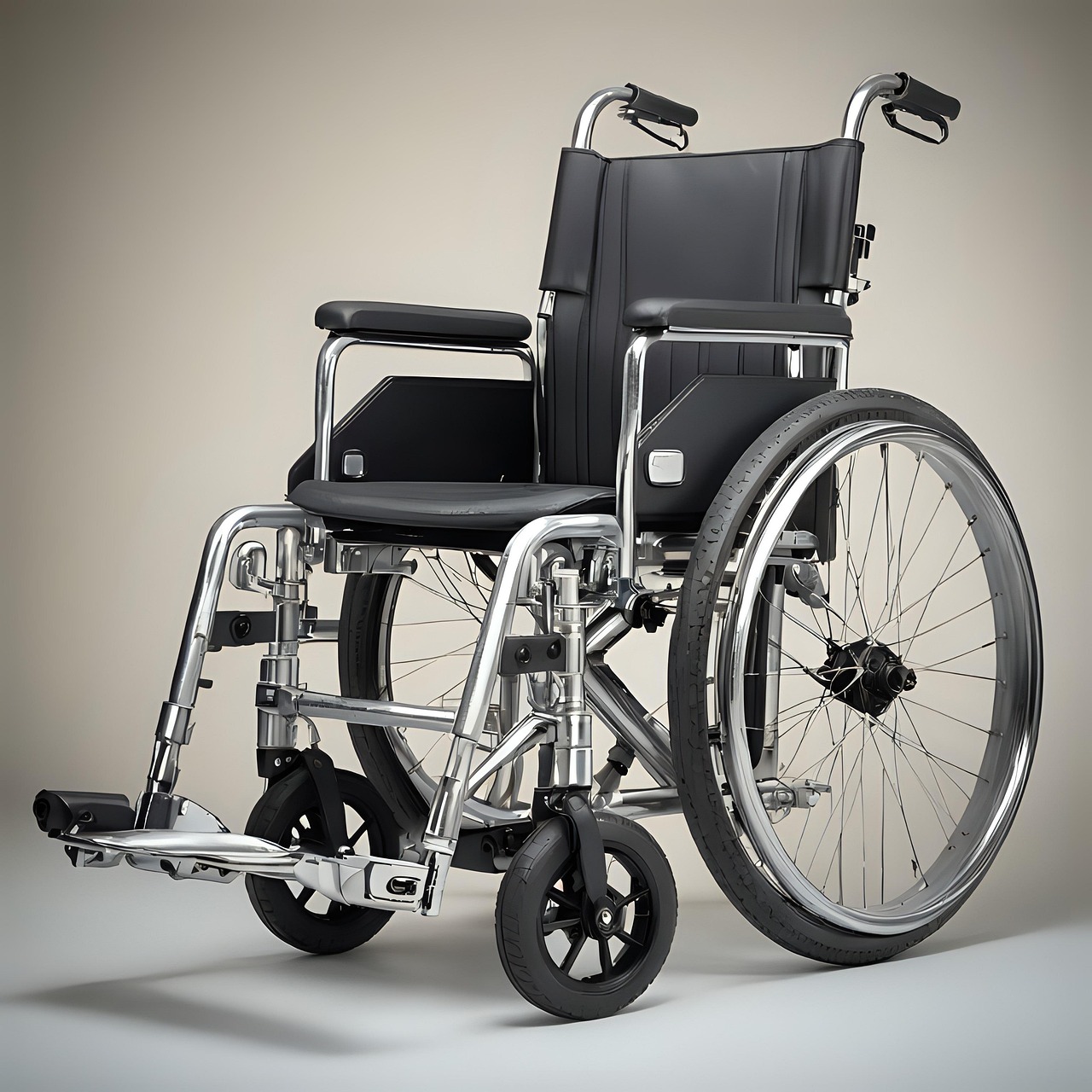
Adaptive fitness tools and equipment consist of various options designed explicitly for children with disabilities, ensuring they can engage in enjoyable physical activities. One popular type of equipment includes modified bicycles. These allow children with mobility challenges to ride alongside their peers, promoting a sense of belonging. Tricycles, equipped with stable frames, give children with balance difficulties a chance to join outdoor excursions with friends. Many manufacturers also design hand cycles, giving upper body movement a new purpose. Other innovative equipment includes lightweight wheelchair sports and adaptive sleds, encouraging active participation in various sports. Parents and educators also emphasize the importance of resistance training through adaptive weight systems, which help build strength incrementally. Moreover, balance boards and sensory pathways offer kids a playful means to enhance coordination and sensory processing, vital for confident movement. Parents should actively research and invest in these options, understanding that supporting physical fitness is crucial for holistic development. There’s a growing range of adaptive fitness programs available online and in local gym facilities, tailored workshops designed to explore and utilize this specialized equipment effectively.
Benefits of Adaptive Fitness Equipment
Adaptive fitness equipment provides numerous benefits for children with disabilities, enhancing their physical, emotional, and social well-being. First and foremost, it facilitates regular physical activity, vital for reducing obesity rates and fostering healthy living. Furthermore, engaging in fitness activities helps children strengthen their muscles, improve balance, and boost flexibility. Improved physical health translates into better overall quality of life. Importantly, adaptive fitness equipment also promotes social skills as kids learn to interact positively with others in group settings; forging friendships based on shared experiences enables their social development. Additionally, as children set fitness goals and achieve them, they build self-esteem and confidence, affecting their overall social interactions. Encouraging goal-setting fosters personal responsibility and a growth mindset while cultivating a sense of accomplishment. Furthermore, adaptive fitness programs often encourage teamwork, emphasizing collaboration rather than competition, nurturing positive relationships between children. Understanding that each child has unique needs, parents and educators should explore many options available in adaptive fitness equipment. Having the right tools can empower kids to achieve success in and out of fitness contexts.
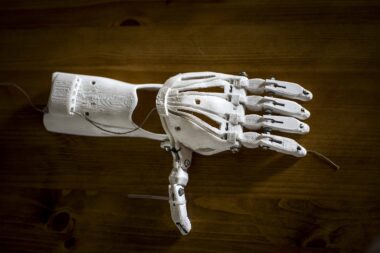
Technological advancements have significantly influenced the world of adaptive fitness by introducing innovative equipment tailored for children with disabilities. Robotics and smart tech are making their mark through various devices, enhancing the accessibility of fitness programs. For example, electronic-assisted bikes allow kids to enjoy outdoor adventures, making physical activity engaging and stimulating. Other innovations include sensor-based equipment that tracks progress and provides real-time feedback. Wearable technology continues to rise, providing helpful metrics to monitor performance, heart rates, and physical outputs. Understanding each user’s capabilities and needs is essential when selecting equipment. Parents should seek out adaptive solutions that are easy to adjust, ensuring that children can continue to use them over time. An essential aspect is the collaboration between parents, educators, and therapists in selecting appropriate technology. By prioritizing the child’s preferences and comfort, they approach adaptive fitness from a more personalized viewpoint. Such collaboration ultimately enhances the benefits of engagement in specialized activities. Together, communities can work to spread awareness of the advantages of adaptive fitness equipment and the technology that fuels its progress.
Choosing the Right Physical Activities
Selecting appropriate physical activities for children with disabilities is crucial as it promotes enjoyment and continued engagement. Before making choices, it’s essential to recognize each child’s individual strengths, interests, and limitations. Parents and educators should strive to understand what activities resonate best with the child to ensure a positive experience. Options may include dance, swimming, or martial arts – tailored to be inclusive and supportive of children with diverse abilities. Exploring various sports teams focusing on inclusion aims to help motivate kids to find their passions in adaptive fitness, building confidence while fostering relationships. Sporting activities promote teamwork and social skills as well, helping children bond with their peers. Furthermore, focusing on non-competitive activities encourages collaboration rather than competition, which can enhance social cohesion. Additionally, fostering an environment where children can freely express themselves can enable them to pursue their interests without fear of judgment. This creates a healthier mindset, encouraging self-advocacy. Parents should remain patient and positive, providing regular feedback and recognizing improvements, regardless of how small!
The community plays a vital role in supporting adaptive fitness for children with disabilities, particularly through focused programs and awareness campaigns. Healthcare professionals often highlight the significance of including adaptive fitness options in local schools, after-school activities, and summer camps. Collaborations among educators, parents, and fitness instructors can establish suitable programs that cater to children’s needs, ensuring enjoyable experiences. Additionally, raising awareness of adaptive fitness can encourage community participation, providing resources to families who may not be aware of available opportunities. Local organizations should advocate for partnerships in building accessible facilities that integrate adaptive equipment into mainstream programs. Accessibility not only benefits children with disabilities but enhances physical activity opportunities for the entire community. Fundraising initiatives can also bridge gaps in resources, allowing schools to invest in adaptive fitness equipment. Through these collaborative efforts, children will be empowered to engage meaningfully in their communities. Efforts should prioritize inclusivity by making fitness environments adaptable to various needs while ensuring safety. With adequate community support, families can encourage their children with disabilities to embrace the joy of active play.
The Future of Adaptive Fitness
The future of adaptive fitness looks promising as communities continue to embrace inclusivity and develop innovative solutions. As technology advances, the equipment available will likely improve, offering even greater accessibility for children with disabilities. Manufacturers are encouraged to collaborate with medical professionals, educators, and families to design products tailored to meet children’s evolving needs. These collaborative efforts ensure the equipment aligns with the children’s abilities while enhancing enjoyment. Furthermore, as awareness of adaptive fitness rises, more facilities will prioritize inclusive practices, allowing kids to participate in their favorite activities seamlessly. Workshops designed for parents and coaches can serve as resources to help understand the importance of adaptive fitness. This will increase knowledge and easier dissemination of supportive practices. Ongoing research into effective adaptive fitness strategies will further improve programs and equipment, making these resources more comprehensive and beneficial for children. Connecting families will help improve awareness of adaptive fitness initiatives, showcasing success stories that motivate others. Together, communities can continue empowering children with disabilities, creating environments where they thrive and enjoy the profound benefits of physical activity.
In summary, adaptive fitness equipment offers essential benefits in promoting health and well-being for children with disabilities. By focusing on tailored strategies, communities can foster inclusion and support individuals in their physical endeavors. Every piece of adaptive equipment fosters a sense of belonging and empowerment as children engage in meaningful fitness activities alongside their peers. By recognizing the importance of adaptive fitness tools, we can nurture self-esteem and encourage collaboration among children. Educators and parents must continue advocating for inclusive programs, amplifying the needs of children with disabilities. With the right resources and equipment, they can inspire children to explore their strengths and capabilities. Investing in adaptive fitness is not only beneficial for individual development but also promotes a healthier community mindset. Encouraging regular participation in adaptive programs leads to growth opportunities that extend well beyond physical activity. Ultimately, as we support adaptive fitness initiatives, we can positively impact the lives of children and their families. Participation in adaptive fitness will continue to provide empowerment and inspire change in attitudes towards disabilities throughout the community.