
The Role of Selenium and Zinc as Antioxidants in Fitness Recovery
Post-workout nutrition significantly influences recovery, and the inclusion of antioxidants plays a critical role. Antioxidants are substances that can prevent or slow cellular damage caused by oxidative stress. Two essential minerals, selenium and zinc, are known for their antioxidant properties, which help mitigate this damage. After an intense workout, the body produces free radicals that can harm muscle tissues, leading to fatigue and delayed recovery. By incorporating selenium and zinc in one’s diet, athletes can enhance their recovery process. Selenium assists in the regeneration of antioxidants, particularly glutathione, while zinc supports numerous enzymatic processes. Maintaining an adequate intake of these minerals is vital for athletes striving to optimize their performance and overall health. Food sources rich in selenium include Brazil nuts, seafood, and organ meats, while zinc can be found in red meat, poultry, beans, and nuts. Together, they contribute to a balanced post-workout nutritional strategy, promoting better tissue repair and improved immune function. Incorporating these minerals into recovery plans can lead to improved performance and endurance. A focus on recovery nutrition often determines overall athletic success.
Effective recovery is paramount for individuals engaging in regular intense physical activities. Studies have shown that antioxidants like selenium and zinc can potentially speed up recovery rates. This assertion is crucial for athletes who face the cumulative stress of training. Nutritional strategies should prioritize these minerals, especially following exercise sessions that induce oxidative stress. Zinc plays a dual role in muscle repair and immune protection, both of which are essential for athletes recovering from intense workouts. Selenium, on the other hand, assists in regulating the body’s inflammatory response, ensuring that recovery is both effective and efficient. This regulation is significant because excessive inflammation can hinder performance. Incorporating antioxidant-rich foods into one’s diet not only supports recovery but also enhances overall body function. A balanced diet high in vitamins, minerals, and antioxidants ensures athletes can train harder and recover faster. It is recommended for athletes to consult with nutritionists for tailored advice on incorporating selenium and zinc into their diets. A varied diet with these essential minerals maximizes their recovery potential and contributes to achieving athletic goals. Pay attention to nutrient timing, especially post-exercise, for optimal results.
The Science Behind Antioxidants in Recovery
A crucial aspect of fitness recovery is understanding how antioxidants work at a physiological level. During strenuous physical activity, free radicals accumulate, which can damage cells. Antioxidants like selenium and zinc counteract this oxidative stress by neutralizing free radicals. Selenium enhances the body’s antioxidant defense, particularly within certain enzymes that detoxify harmful compounds. This mineral is vital for thyroid function as well, which regulates metabolism and energy levels crucial for recovery. Zinc, likewise, is fundamental in protein synthesis, cell growth, and tissue repair, making it indispensable post-exercise. Inclusion of zinc-rich foods in a post-workout meal can enhance muscle repair. Moreover, both minerals have demonstrated anti-inflammatory properties; thus, they can help reduce soreness and speed up recovery times. This characteristic is beneficial for athletes who may otherwise experience prolonged discomfort. Consequently, these antioxidants support a balanced inflammatory response. Athletes are encouraged to pay close attention to their intake of these nutrients, given their indirect role in enhancing performance and endurance. By understanding the underlying benefits of selenium and zinc, athletes can make informed decisions about their post-workout nutrition.
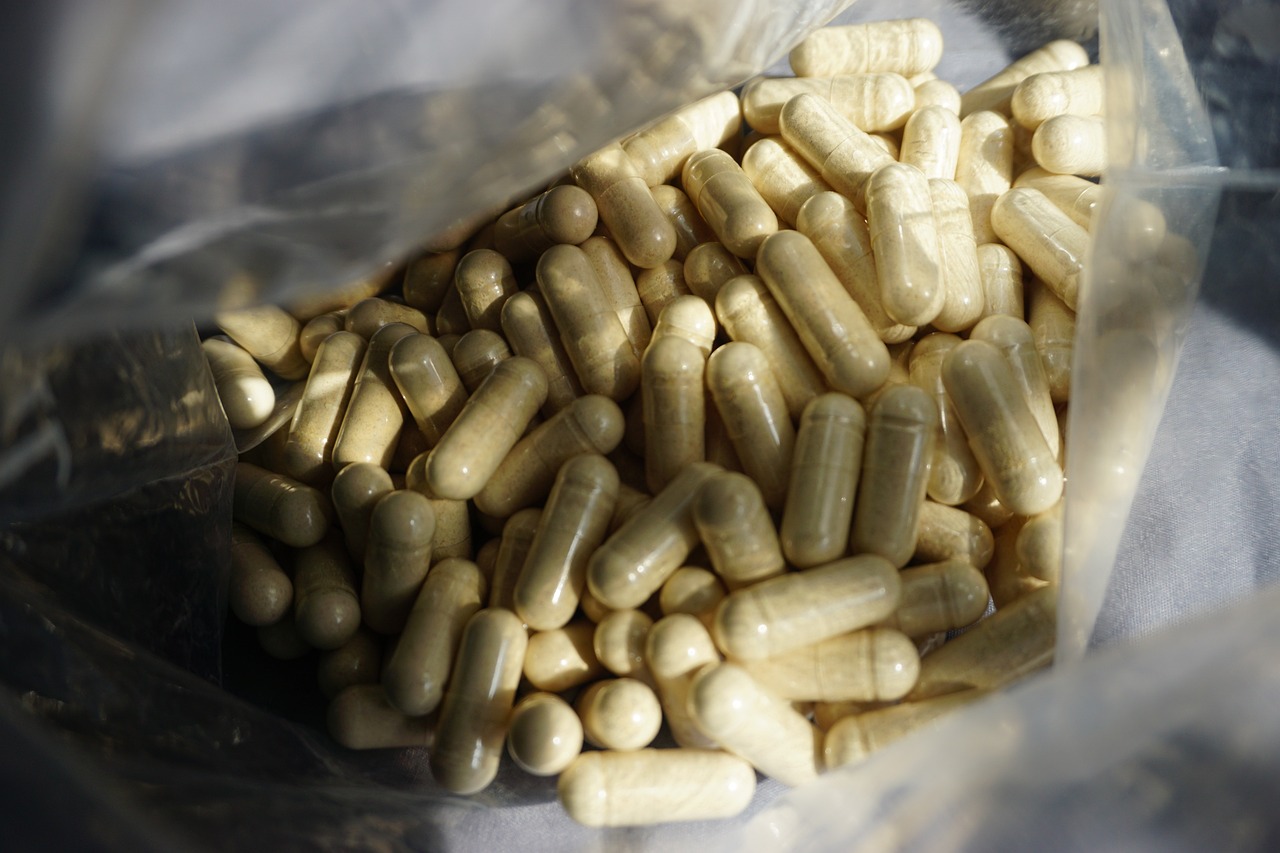
Timing of nutrient intake is crucial, particularly regarding antioxidants after workouts. Post-exercise, the muscles are primed for nutrient uptake, making it an ideal time to consume antioxidant-rich foods. This timing not only aids in immediate recovery but also supports long-term adaptations to training. A meal or a snack containing both selenium and zinc should ideally be consumed within two hours post-exercise to maximize their benefit. Foods such as whole grains, legumes, and lean proteins are excellent sources of these micronutrients. Specifically, pumpkin seeds and oysters are particularly high in zinc, while sunflower seeds and spinach provide generous amounts of selenium. Creating a balanced plate can maximize the effects of these nutrients. Additionally, supplementing with either mineral could be considered for those who have difficulty meeting their dietary needs, although this should be done cautiously and under professional guidance. Nutrient-rich smoothies combined with nuts can be an appealing option to include these antioxidants effectively. A focused approach on post-workout nutrition ensures that athletes not only recover efficiently but also safeguard their health against the detrimental effects of over-exercise, setting them up for future success.
Benefits of Integrating Selenium and Zinc into a Diet
The benefits of incorporating selenium and zinc into an athlete’s diet extend beyond immediate recovery from workouts. Sustained intake of these antioxidants contributes to overall health, including enhanced immune function and improved mood. An athlete’s immune system can become compromised due to the physical strain of rigorous training. Therefore, adequate selenium and zinc consumption can bolster immune defenses, which is crucial for maintaining consistent training regimens. Research indicates that athletes who consume recommended amounts of these minerals experience fewer illness-related training interruptions. Additionally, selenium’s influence on thyroid functions indicates potential positive effects on energy levels; hence, it can play a significant role in workout performance. Zinc aids in controlling oxidative stress not only during exercise but also post-exercise through anti-inflammatory mechanisms. The cumulative effect of these nutrients will present as faster recovery times and a noticeable improvement in workout consistency. Athletes often work towards achieving their peak performance, and adequate nutrition is a keystone to successfully unlock these capabilities. Incorporating selenium and zinc into daily food choices can become an essential strategy for every athlete.
When discussing the role of antioxidants, it’s important to acknowledge their contribution to muscle recovery and strength. These minerals not only support recovery but also are believed to enhance muscle protein synthesis, which is crucial for muscle growth. Thus, ensuring adequate intake of selenium and zinc can significantly impact bodybuilding and strength training. A well-rounded diet containing both minerals can aid in muscle recovery post-exercise, leading to improved strength-building over time. Several studies suggest that when zinc levels are optimized, there is a corresponding increase in muscle mass and strength. Similarly, the antioxidant properties of selenium minimize muscle damage, further supporting athletic performance. Including both in a regular nutrition regimen is directly correlated with workouts’ efficacy and an athlete’s ability to progress in training. Suggested intake levels vary from individual to individual but generally align with dietary guidelines. Athletes should focus on natural food sources rich in these nutrients rather than relying solely on supplements. By adopting healthy eating habits, athletes can better navigate their training and competition seasons, gaining both strength and stamina.
Conclusion: The Importance of Adequate Antioxidant Intake
In conclusion, selenium and zinc serve vital roles as antioxidants in workout recovery and overall fitness. Their ability to mitigate oxidative stress and assist in healing processes highlights the need for a targeted nutritional approach for athletes and fitness enthusiasts. Recognizing the importance of these minerals facilitates improved post-workout nutrition strategies. The cumulative benefits include faster recovery rates, enhanced immune support, and better overall physical performance. Therefore, it’s essential for individuals engaged in regular exercise to evaluate their dietary intake of these minerals. Foods rich in selenium, like seafood, and those high in zinc, such as legumes and lean meats, should be prioritized. Careful planning of meals around workout schedules will ensure optimal nutritional timing and absorption. In addition to a balanced diet, athletes should also remain aware of the potential need for supplementation, particularly in cases where dietary consumption falls short. Lastly, adopting a holistic view towards nutrition, incorporating antioxidants like selenium and zinc, can profoundly impact an athlete’s performance trajectory. Embracing this knowledge empowers individuals to take charge of their recovery and fitness journeys.
However, athletes must also remain conscious of excessive intake as both selenium and zinc can be detrimental in high amounts. A balanced approach is key, ensuring that these minerals support rather than hinder performance. Engaging with professional nutritionists or dieticians can help tailor appropriate intake levels suitable for individual needs. The integration of these antioxidants into daily diets is not just beneficial for fitness recovery but also promotes better overall health and wellness. Proper knowledge and understanding aid in making informed dietary choices, leading to successful workout regimens. By understanding the powerful role of antioxidants, athletes can create a supportive environment for their bodies to heal and grow more robust. Moreover, education about nutrient timing and sources empowers athletes to maximize their recovery strategies effectively. As the science of nutrition grows, so does the understanding of how essential these trace elements are for fitness recovery. As athletes navigate their training and competitive seasons, an informed approach to post-workout nutrition, incorporating antioxidants like selenium and zinc, can pave the way for unprecedented success.