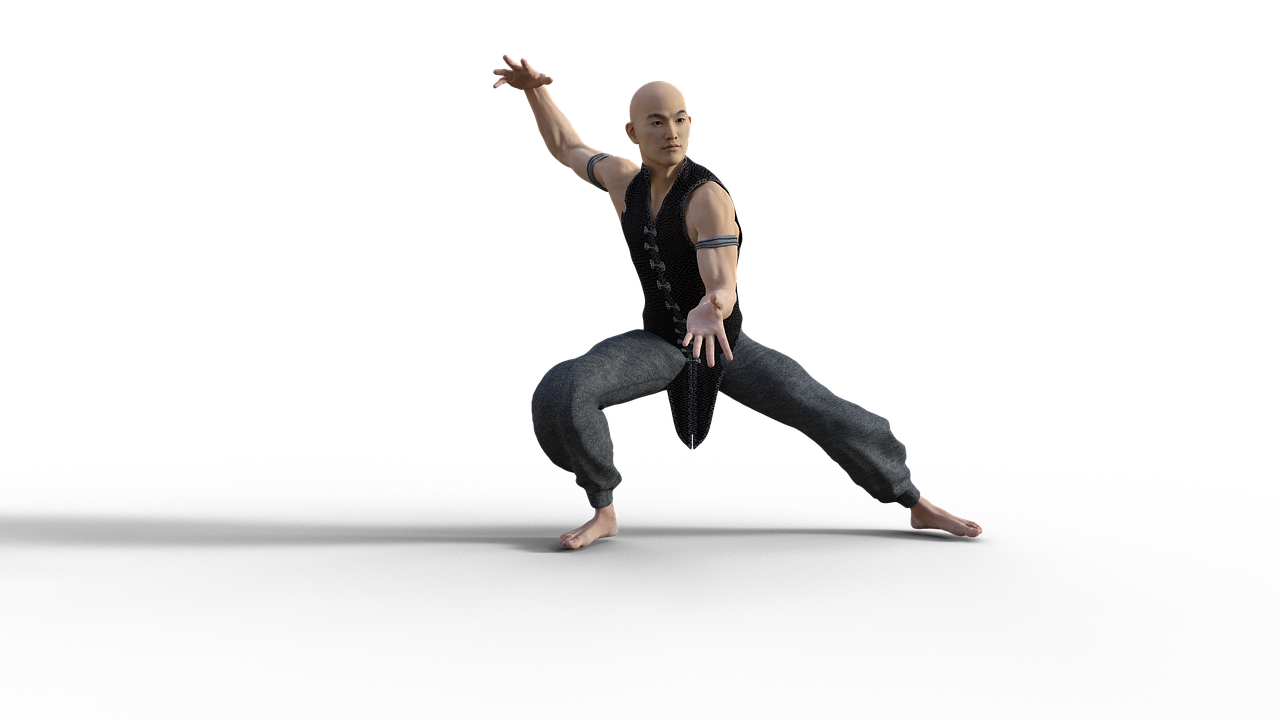

Incorporating Box Breathing Technique in Martial Arts
The Box Breathing technique is a powerful method that enhances focus and promotes relaxation. Practitioners in martial arts can easily incorporate this technique, benefiting their overall performance. Box Breathing is characterized by its simple pattern: inhale, hold, exhale, and hold each for the same duration. This technique can significantly reduce anxiety, making it easier to handle competition pressure. By creating a rigid rhythm, martial artists can condition their bodies to remain calm and collected. Interestingly, Box Breathing has roots in various disciplines, including yoga and stress management practices. Many professional athletes have recognized its effectiveness, leading to an increased interest among martial artists. Integrating this practice into a training routine can foster mental clarity and emotional control, which are crucial in high-stakes situations. Masters often emphasize mental discipline alongside physical training. As martial artists embrace the mental aspects of their craft, Box Breathing serves as a valuable tool that sharpens their focus and enhances performance. Regular practice of this technique can provide a lasting impact not only in training but also in everyday life.
One practical way to implement Box Breathing is during warm-ups or cooldowns. As practitioners prepare for training, they can engage in this technique to mentally prepare themselves. Starting with a calm environment, martial artists can find a quiet space, close their eyes, and begin. After inhaling deeply through the nose for four counts, participants hold their breath for the same duration. They then exhale through the mouth for four counts and hold again for four counts. This cycle can be repeated 5 to 10 times, creating a soothing rhythm that calms the mind. Over time, as practitioners become more comfortable with this practice, they may increase their duration from four counts to longer intervals. This flexibility helps deepen their focus and control during intense sessions. Integrating Box Breathing into sparring sessions can further increase emotional regulation. As practitioners engage in sparring, moments of pause present opportunities to focus on breathing. This helps in maintaining calm amidst physical activity and promotes effective decision-making. With Box Breathing, martial artists can not only perform effectively but also enjoy the journey of their martial arts practice.
Physical Benefits of Box Breathing in Martial Arts
Aside from its mental advantages, Box Breathing offers profound physical benefits for martial artists. Engaging in proper breathing techniques can help improve oxygenation throughout the body, delivering essential nutrients to muscles. When oxygen levels are balanced, athletes exhibit enhanced endurance and stamina during training and competitions. Regularly practicing Box Breathing allows fighters to maintain optimal energy levels, especially during high-intensity training sessions. This technique promotes relaxation in muscle tension while improving overall flexibility. Furthermore, Box Breathing aids in better recovery after intense workouts, as it helps reduce stress and aids in faster energy restoration. As martial artists implement this technique, they may notice decreased lactic acid buildup, which contributes to muscle fatigue. Additionally, focusing on breath control improves cardiovascular efficiency, promoting heart health. A deep and steady breathing pattern also encourages diaphragmatic breathing, strengthening the diaphragm and enhancing lung capacity. Thus, the synergistic effects of Box Breathing on overall physical health empower martial artists to push their limits while contributing to the mastery of their craft. A strong body complements a sharp mind, reinforcing the importance of a holistic approach to martial arts training.
In addition to the individual benefits, Box Breathing can enhance group dynamics during training sessions. As instructors introduce this technique at the beginning or end of classes, students collectively experience shared calmness. This visualization of calmness can foster a stronger sense of community among practitioners. By incorporating Box Breathing into team training, martial artists can cultivate better cooperation and communication on and off the mat. This group experience encourages athletes to support one another in their artistic journeys. Each practitioner contributes positively to the group environment, promoting development and progress through unified focus. As martial arts often emphasize tradition and respect, utilizing Box Breathing aligns closely with martial arts philosophies. It is a reminder of the importance of respect – for oneself and fellow practitioners. These moments together create a consistent harmony that sets a strong foundation for skill development. Consequently, integrating Box Breathing into martial arts training serves as a valuable component in enhancing social interactions and building relationships. Ultimately, these bonds enhance teamwork and collective growth among practitioners in their martial arts journeys.
Integration Techniques for Instructors
For instructors, offering clear guidance on Box Breathing can significantly improve the experience for students. Teaching this technique involves demonstrating the steps clearly and allowing time for practitioners to practice individually. Instructors might consider incorporating breathing patterns into existing warm-up routines. As students engage in physical activity, adding focused breathing can enhance their awareness and mindfulness. Moreover, instructors can utilize verbal cues and visual aids to emphasize the importance of breath control. Encouraging students to visualize their breath flowing in and out can deepen their connection to the practice. Additionally, integrating the concept of Box Breathing into sparring can assist students in regulating their energy levels during engaging matches. Instructors can remind students to utilize controlled breaths when the intensity of sparring increases. This advice helps students manage their emotions and respond thoughtfully rather than react impulsively. Ultimately, instructors should create an environment conducive to exploration, allowing students to find their personal rhythms in Box Breathing. Offering support and encouragement fosters a profound understanding of how breath impacts both performance and mindset in martial arts.
As martial arts continue to evolve, the practice of Box Breathing remains relevant across generations. Its versatility makes it suitable for various martial arts styles, whether traditional or modern. Practitioners can tailor the technique to suit their preferences and training needs, ensuring it is accessible for all levels of experience. For beginners, starting with shorter count durations can help ease into the practice. As they grow more comfortable, they can gradually increase the duration and complexity of their breathing patterns. For advanced practitioners, integrating Box Breathing into meditation reinforces the connection between body, mind, and spirit. This practice encourages a richer understanding of martial arts concepts while enhancing focus and discipline. Furthermore, sharing the benefits of Box Breathing with fellow practitioners and students cultivates a culture of awareness in training environments. Encouraging open conversations about breathing practices can further enrich the martial arts community. As students support one another in their practice, they create a network of encouragement and mindfulness, benefiting their overall journey in martial arts. Box Breathing, therefore, is more than just a technique; it becomes an essential aspect of growth and evolution in martial arts.
Conclusion and Future Perspectives
In conclusion, incorporating Box Breathing into martial arts offers numerous benefits that enhance performance and emotional control. Practitioners who embrace this technique cultivate a deeper awareness of their emotions, providing them with a significant advantage during competitions. As martial artists consistently practice Box Breathing, they cultivate resilience and mental fortitude, reflecting the essence of martial arts philosophy. By fostering a comprehensive approach to training that unifies both the mind and body, martial artists can elevate their practice to new heights. Future innovations within martial arts training may expand on breathing techniques, incorporating technology like biofeedback and wearable devices to monitor breathing patterns in real time. This could provide valuable data for practitioners to fine-tune their focus and performance. As the martial arts community progresses, the relevance of breathing practices will only continue to grow, presenting new opportunities for exploration and development. In essence, Box Breathing serves not just as a technique for relaxation or focus, but as a cornerstone in the path towards mastery. Whether in training, competition, or daily life, the simplicity and effectiveness of Box Breathing can empower martial artists in their journey towards excellence.
Box Breathing is an essential practice that encourages martial artists to develop greater mental clarity, emotional resilience, and physical agility. Whether one is an aspiring fighter or a seasoned martial artist, mastering Box Breathing proves beneficial at every stage of training. Recognizing the warm-up and recovery stages as opportunities to practice this breathing technique ensures consistent improvement in performance. With commitment and practice, Box Breathing can significantly bolster a practitioner’s journey through martial arts, enriching both their physical and mental capacities. Over time, the harmonization of breath and movement creates a rhythm that enhances overall prowess. This technique transcends mere physical training; it engages the very essence of martial arts as a holistic practice. In a competitive environment, the ability to maintain composure under pressure is invaluable. Box Breathing cultivates that ability, making it a priceless tool. Adopt the technique holistically, and find balance both on and off the mat. Through regular implementation, one will not only witness improved physical abilities but also discover a deeper understanding of the art. Box Breathing, therefore, stands as a testament to the profound connection between body and mind in martial arts.