
Adaptive Yoga and Mindfulness for Children with Disabilities
Adaptive yoga and mindfulness practices have proven beneficial for children with disabilities, fostering physical, emotional, and mental wellbeing. Incorporating these practices encourages kids to connect with their bodies and minds in a safe, supportive environment. Through tailored techniques, children can experience improved flexibility, strength, and balance, leading to overall enhanced physical fitness. Mindfulness, a core component, helps instill a sense of calm, allowing children to manage stress and anxiety. As they engage with adaptive yoga, kids learn how to focus their attention, promoting self-regulation and emotional resilience. This dual approach not only makes yoga accessible but also enjoyable for every child, meeting them where they are. Moreover, it is essential to work closely with instructors experienced in adaptive techniques to provide the best guidance. Supportive instructors who understand individual children’s needs can create optimal environments for success. With this foundation, children are empowered to explore their physical capabilities. Overall, adaptive yoga is an invaluable tool for nurturing physical and mental health among children. Ultimately, fostering a love for movement and mindfulness can significantly enhance their quality of life.
Adaptive yoga for children with disabilities includes modified poses and techniques tailored to individual needs. Teachers adapt warming up and breathing exercises that promote relaxation while considering students’ specific circumstances. Utilizing props such as blocks, straps, or chairs helps in making yoga poses more achievable and enjoyable for every child. These adjustments foster a non-competitive atmosphere where children can explore movement at their own pace. Classes are structured to focus on fun, creativity, and exploration, allowing kids to experience self-expression through connection with their bodies. This nurturing approach can lead to substantial improvements in a child’s overall disposition and self-confidence. In turn, children can develop a greater awareness of their bodies, learning to appreciate their unique abilities rather than feeling limited by disabilities. Encouraging social interactions in group settings also provides patients with valuable interpersonal skills. As they practice together, kids build friendships and establish a sense of community, reducing feelings of isolation. Also, yoga poses can be linked to stories or themes, making the class engaging and appealing to children. This immersive approach ensures that adaptive yoga is not just about physical exercise but also holistic development.
The Benefits of Mindfulness for Kids
Mindfulness is an essential practice in adaptive yoga that promotes mental well-being for children with disabilities. By guiding kids through mindful breathing exercises, they learn focus and awareness techniques, which help improve concentration. Consequently, they become better at managing emotions and navigating stressors. In this way, mindfulness enhances their overall quality of life. Children can indulge in free exploration of mental landscapes, enabling them to develop a sense of inner peace. Incorporating meditation into sessions provides students with stillness, allowing them to understand their thoughts without judgment. This practice nurtures self-acceptance, and as children learn to embrace themselves, they build resilience against life’s challenges. A calm mind can lead to enhanced coping mechanisms, empowering them to tackle behavioral issues effectively. With consistent practice, kids start recognizing their triggers and learning how to respond instead of react. Additionally, mindfulness is beneficial in fostering empathy and connection towards others, teaching children the importance of compassion. By encouraging children to identify and articulate their feelings, we help them in developing emotional intelligence, thereby fostering healthy relationships with peers and family.
Instructors focusing on adaptive yoga and mindfulness must be adequately trained and sensitive to each child’s unique needs. Continuous training ensures that teachers remain updated on the latest adaptive strategies and techniques, fostering a safe environment for participation. Understanding the medical needs of different children allows instructors to modify classes to cater to various disabilities, enhancing engagement and effectiveness. Creating a safe space encourages kids to express themselves openly without the fear of judgment. This promotes a strong sense of belonging, vital for emotional development. Furthermore, feedback from parents and caregivers can provide invaluable insights for tailoring approaches to each individual’s requirements. Collaborating with allied health professionals assists in devising and implementing training focuses that align with therapeutic goals. A multi-disciplinary approach provides well-rounded strategies for promoting adaptive practices. Listening to feedback, instructors can refine their delivery to enhance each child’s experience. Incorporating games and interactive elements into classes ensures active participation and keeps children interested. Encouraging children to set personal goals during the sessions fosters motivation. This holistic method ultimately nurtures a collaborative effort between instructors, children, and families in working toward improved well-being.
Creating Inclusive Environments
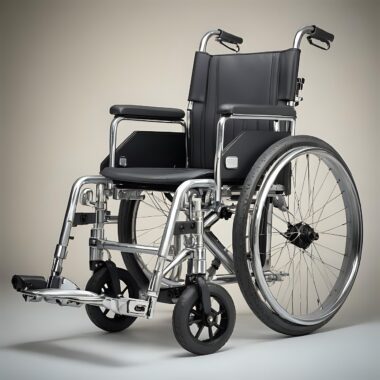
Creating an inclusive environment is paramount in adaptive yoga and mindfulness practices. Facilities must consider spatial arrangements, making sure the space is wheel-chair accessible and equipped with necessary aids. Accessibility is essential for making every child feel welcome, regardless of physical or developmental abilities. Adequate training for support staff creates an atmosphere sensitive to children’s requirements, maximizing participation. From sensory-friendly materials to calming visuals, every element can contribute to reducing anxiety and facilitating engagement. Moreover, community involvement can enhance awareness about adaptive practices, informing parents about their importance. Establishing partnerships with local organizations fosters a sense of shared responsibility, advocating for children’s needs in fitness. Hosting workshops and events helps to spread the word about adaptive yoga, and encouraging family participation strengthens the support network for kids, enhancing engagement. Connecting families creates a platform for sharing experiences and resources, enriching the community experience. Building awareness plays a key role in normalizing adaptive practices, allowing parents to embrace these methods. Schools can also integrate mindful practices into their curricula, fostering environments where children can learn skills beyond yoga thereby nurturing compassion. As a result, programming can become more inclusive and enrich students’ experiences.
Every child’s journey in adaptive yoga and mindfulness begins with a strong support system. By recognizing each child’s strengths and passions, parents can help steer them toward beneficial practices. Encouraging openness and communication about yoga experiences fosters confidence. Parents should engage with instructors and participate in discussions on their child’s progress, enabling a thorough understanding of adaptive practices’ transformative impacts. Seeking out parent workshops that discuss mindfulness, supportive inquiry, and stress relief strategies equips families with essential tools for holistic well-being. Another vital component involves fostering children’s independence through accessible resources, enabling them to seek out yoga and mindfulness practices independently. By guiding kids toward local classes or online resources, they can enjoy the benefits of yoga beyond structured sessions. Engaging in family yoga can create shared experiences that promote bonding and overall growth. Together, families can instill healthy habits, encouraging a fitness-oriented lifestyle that can last well into adolescence. Therefore, it is crucial to celebrate every child’s progress, no matter the scale, as each achievement contributes to their confidence. This nurturing practice ultimately cultivates a profound love for movement and mindfulness in children throughout their lives.
Future Directions in Adaptive Practices
The future of adaptive yoga and mindfulness for children with disabilities looks promising, as awareness and understanding increase. Advances in technology present new opportunities for enhancing adaptive practices, making classes more accessible. Virtual classes have surged in popularity, widening the reach of adaptive yoga to children in diverse locations. This accessibility ensures that physical limitations do not hinder children’s participation in impactful practices. Additionally, the integration of evidence-based practices, focusing on measurable outcomes, will continue to gain traction. As more studies emphasize the physical and psychological benefits of yoga, more specialists will advocate for these practices as therapeutic methods. Moreover, increased funding and community support could foster development in adaptive programs. Schools, recreational facilities, and organizations must work together to promote inclusivity and expand resources dedicated to adaptive fitness. Incorporating adaptive mindfulness into broader wellness programs can increase the emphasis on mental health awareness. Ultimately, encouraging collaborations with therapists and fitness professionals aids the holistic development of children with disabilities. A united front committed to fostering inclusion ensures the societal evolution required for creating supportive environments for all children in their fitness journeys.
In conclusion, adapting yoga and mindfulness for children with disabilities offers profound benefits, enhancing both physical fitness and emotional resilience. By providing personalized adaptations and expert guidance, we create environments that promote exploration and self-discovery. The fusion of yoga and mindfulness helps children develop essential skills that positively impact their lives. Our collective efforts in advocacy to champion adaptive practices can lead to transformative experiences for children, allowing them to thrive. As we welcome these practices into mainstream fitness, community involvement becomes vital in promoting awareness. Supporting adaptive yoga and mindfulness can cultivate inclusive communities, fostering connections between families, educators, and organizations. Together, we can break down barriers and create spaces for all children to engage wholeheartedly. Encouraging consistent participation in adaptive practices can instill lifelong habits that carry forward into adulthood. By nurturing resilience and adaptability, we empower children to navigate life’s challenges with confidence. As a society, our commitment to inclusivity will ensure that every child can find joy in movement. Ultimately, adaptive yoga and mindfulness are keys to enhancing children with disabilities’ overall health and happiness, allowing them to express their unique beauty through fitness.