
Vitamins and Minerals Essential for Athletes
For athletes, a balanced diet plays a pivotal role in enhancing performance and recovery. Integrated into this diet are essential vitamins and minerals that support various bodily functions. Vitamins like Vitamin C and E function as antioxidants. They protect cells from damage caused by free radicals during intense training sessions. B-complex vitamins are crucial for energy production, aiding the metabolism of carbohydrates, proteins, and fats. In addition, Vitamin D supports bone health, which is vital for athletes participating in high-impact sports. Furthermore, Vitamin K is essential for blood clotting and keeping bones strong. Alongside vitamins, minerals like calcium and magnesium play significant roles. Calcium is necessary for muscle contractions, while magnesium helps in energy production and muscle recovery. Incorporating these essential nutrients can lead to improved athletic performance, better endurance, and quicker recovery times. Therefore, athletes should aim to consume a wide variety of nutrient-rich foods. This ensures they receive all the essential vitamins and minerals necessary for optimal function during training and competition.
The Role of Vitamins in Sports Nutrition
For athletes, vitamins are not just supplements but vital components integral to their overall health and performance. Each vitamin holds a unique function, playing roles that range from supporting energy metabolism to boosting immunity. For example, Thiamine, a B vitamin, aids in converting carbohydrates into energy, which is essential during strenuous workouts. Furthermore, riboflavin supports energy production, while niacin helps in sustaining endurance through efficient energy metabolism. Vitamin C is another critical vitamin, promoting collagen formation, which is essential for joint and connective tissue health. Antioxidants found in vitamins, such as A, C, and E, are crucial for minimizing oxidative stress caused by intense exercise. These vitamins assist in reducing inflammation and preventing muscular damage post-training. Additionally, B vitamins, including B6 and B12, are important for red blood cell formation and oxygen transport, vital for performance. Athletes must prioritize meeting their daily vitamin requirements through whole foods like fruits, vegetables, whole grains, and lean proteins, ensuring they maximize these benefits tailored for their specific sports needs.
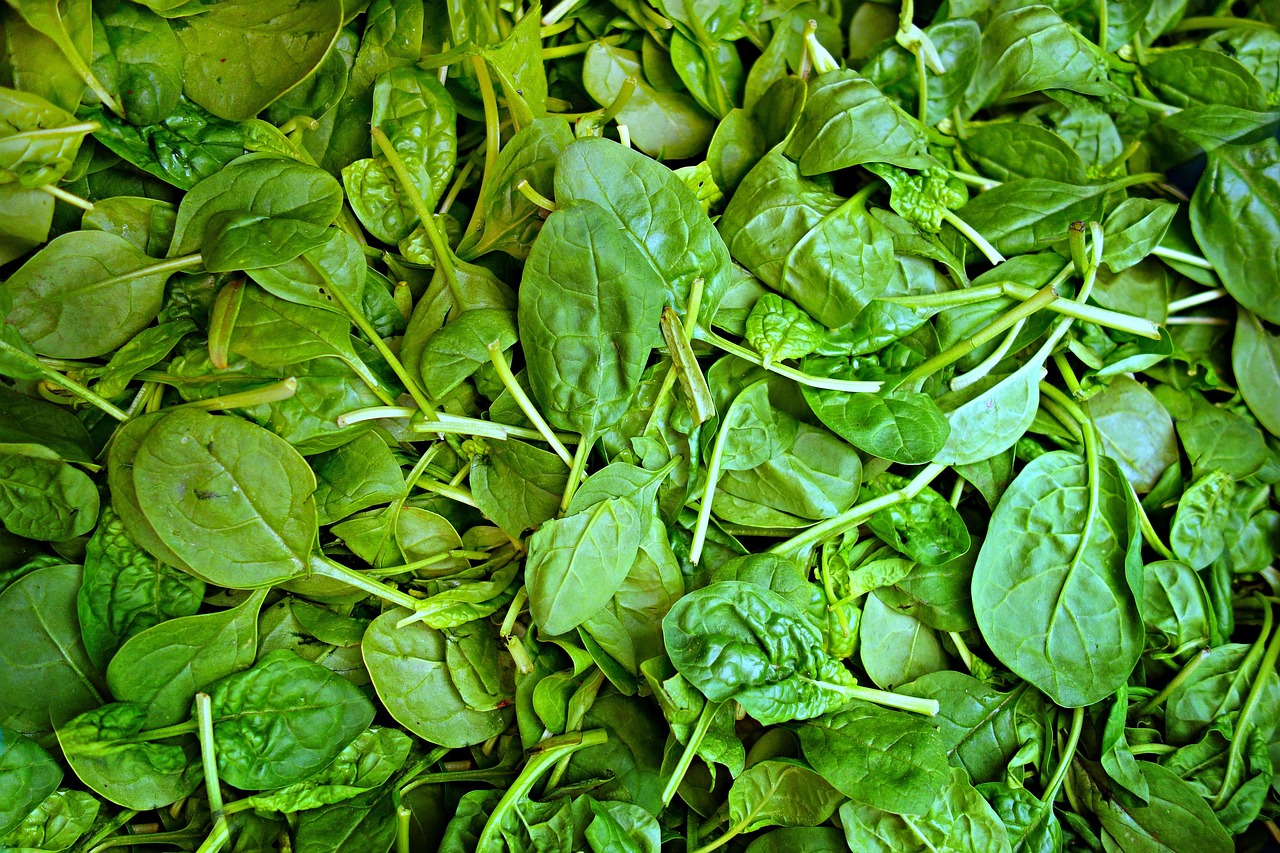
Minerals, including Calcium and Iron, hold immense significance in sports nutrition. Calcium supports bone density and muscle contractions, which are crucial for athletes engaged in physical activities. Furthermore, athletes must realize that inadequate calcium levels can lead to increased risk of fractures and injuries. On the other hand, Iron is essential for oxygen transport within the body, determining how effectively an athlete can perform. A deficiency in iron can lead to anemia, which may impede athletic performance. For athletes, especially endurance athletes, sufficient iron levels are critical. Foods like lean meats, legumes, spinach, and fortified cereals can help athletes meet their mineral needs effectively. Potassium and magnesium also play vital roles in muscle function and energy metabolism. Potassium helps manage fluid balance and muscle contractions, while magnesium contributes to reducing muscle cramps and facilitating recovery after strenuous exercise. Ensuring an adequate intake of these minerals through a balanced diet is essential for both short-term performance and long-term athletic health. Therefore, athletes should consider their mineral intake as part of their comprehensive sports nutrition strategy.
Vitamin Sources for Athletes
Obtaining sufficient vitamins through diet is paramount for athletes since whole foods offer a variety of nutrients and bioactive compounds beyond just isolated vitamins. Fruits and vegetables stand out as excellent sources of vitamins. Citrus fruits like oranges and strawberries provide abundant Vitamin C, crucial for tissue repair and immune function. Leafy greens, particularly spinach and kale, are loaded with Vitamin K, essential for bone health. Whole grains and fortified cereals are key sources of several B vitamins, which support energy metabolism and optimal performance. Additionally, lean meats, poultry, and eggs provide vitamins such as B12, which is essential for energy production and neurological function. Athletes should aim to diversify their intake by consuming various colors of vegetables and fruits, ensuring an array of vitamins while promoting other health benefits. For some athletes, especially those with specific dietary restrictions or those engaged in high-intensity training, considering supplements may be beneficial. However, it’s crucial to consult a healthcare professional before beginning any supplement regimen. Proper assessment of dietary needs ensures athletes meet their vitamin requirements appropriately and effectively.
The importance of minerals in an athlete’s diet cannot be overstated, as they play critical roles in numerous bodily functions. Beyond calcium and iron, zinc is another mineral that is beneficial for athletes, contributing to immune function and protein synthesis. Oysters, red meat, and beans are excellent sources of zinc. Moreover, selenium acts as an antioxidant, protecting cells from oxidative stress during rigorous training. Incorporating a variety of foods, such as nuts, seeds, and fish, can help optimize selenium intake. Athletes must not overlook the trace minerals, as they can significantly contribute to overall health and recovery. Chromium, for instance, helps improve insulin sensitivity and glucose metabolism, which are important for energy levels and endurance. Furthermore, Magnesium helps in muscle relaxation and electrolyte balance, critical during and after exercise. Athletes should prioritize incorporating nutrient-dense foods rich in these vital minerals into their meals pre- and post-exercise. A balanced approach towards maintaining adequate mineral intake can significantly contribute to performance and recovery, allowing athletes to perform at their best continually.
Achieving Balanced Nutrition
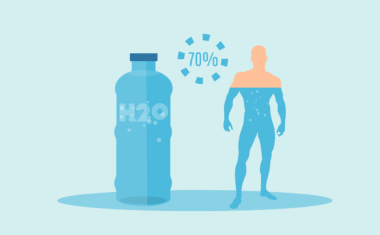
Achieving balanced nutrition is essential for athletes aiming to maximize performance and health. This involves integrating a variety of macronutrients, including carbohydrates, proteins, and fats. Additionally, vitamins and minerals play a supporting role. Carbohydrates serve as the primary fuel source during aerobic activities. Proteins are essential for muscle repair and growth, while healthy fats contribute to overall energy availability. However, simply meetingmacronutrient needs is not enough; micronutrients must be prioritized as well. Athletes should focus on consuming whole, minimally processed foods as part of their meal plans. This enhances not only vitamin and mineral intake but also the consumption of fiber and other beneficial compounds. Meal planning can help athletes ensure they receive the nutrients they need, effectively scheduling meals around training sessions for optimal performance and recovery. Moreover, hydration is a critical aspect of achieving balanced nutrition. Inadequate hydration can impair muscle function and decrease endurance. Therefore, athletes need to establish a hydration strategy that includes fluid intake throughout the day, as well as during and after workouts, to maintain peak performance during activities.
In conclusion, understanding vitamins and minerals essential for athletes significantly impacts their health and athletic performance. Both vitamins and minerals play vital roles in recovery, energy production, and overall well-being. Athletes must prioritize acquiring these nutrients through a balanced diet rich in fruits, vegetables, whole grains, and lean proteins. Regular monitoring of dietary intake is crucial to ensure that athletes meet their specific needs, particularly during training and competition phases. It is advisable to work with a nutritionist or dietitian specializing in sports nutrition. This will help tailor dietary strategies that accommodate individual needs and potential deficiencies. Furthermore, while considering supplements may be beneficial, athletes should first focus on achieving nutrient sufficiency through whole food sources. Balancing exercise regimens alongside a proper diet can lead to enhanced performance and reduced injury risk. Athletes should also remember that the relationship between nutrition and performance is dynamic and ongoing, necessitating continual adjustments and learning about their individual bodies. Embracing these principles will contribute to their long-term success in sports.