
Injury Recovery: Avoiding Common Psychological Pitfalls
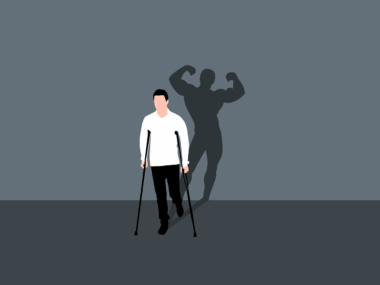
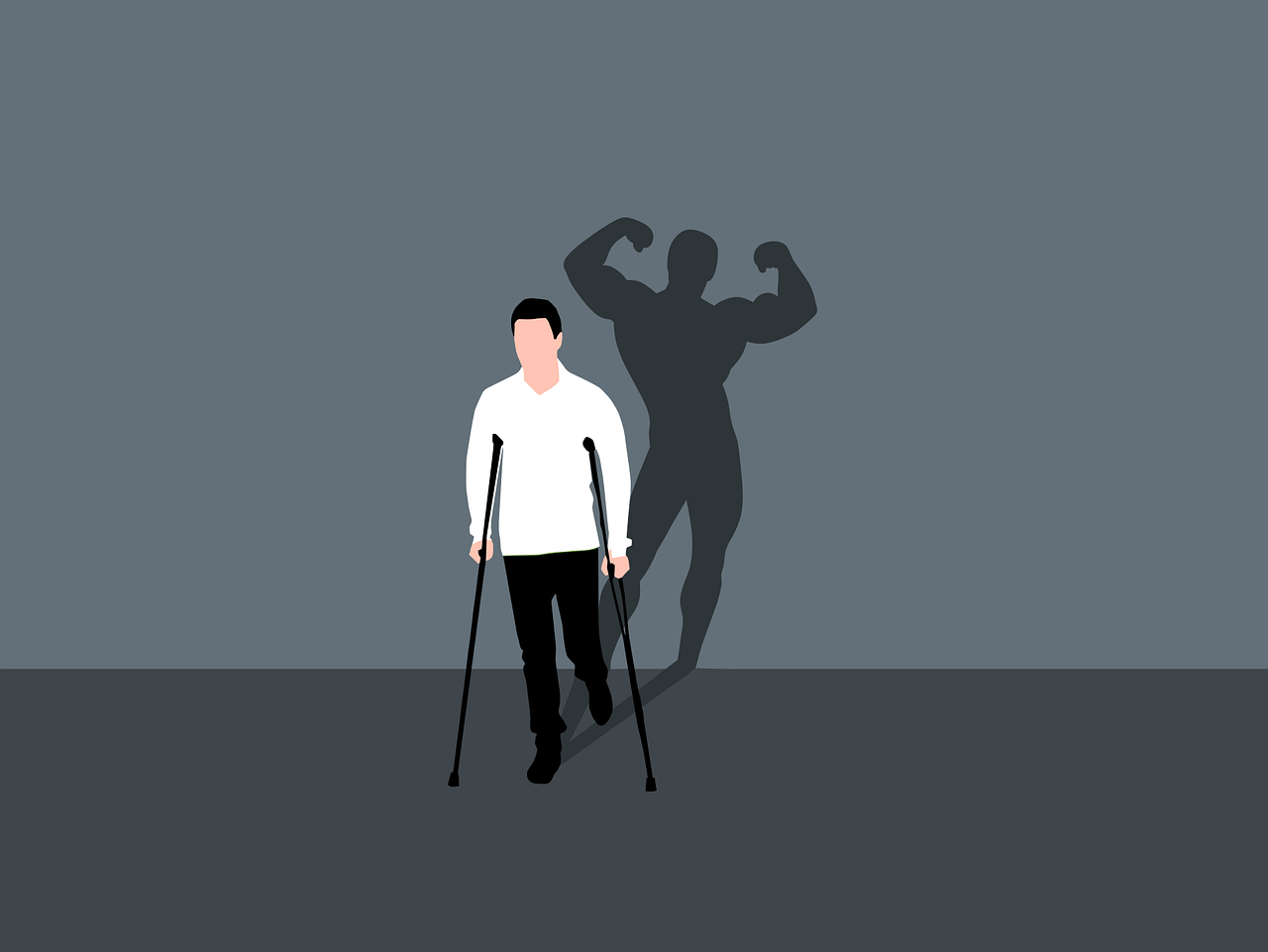
Experiencing an injury can bring significant emotional and psychological challenges, especially for fitness enthusiasts. It’s crucial to recognize the inevitable feelings of frustration, helplessness, and fear that might arise during recovery. Many individuals focus on their physical limitations, neglecting the critical psychological components of healing. This often leads to a cycle of negative thinking, which can hinder recovery. To combat this, it’s important to foster a positive mindset and adopt mental strategies that assist in your recovery. Psychological resilience plays a key role, helping individuals maintain hope and motivation throughout their rehabilitation journey. Setting achievable goals can also be a great way to build confidence and foster a sense of progress. It’s easy to feel disconnected from your previous fitness identity, but engaging with supportive communities, both online and offline, can be motivating. Professional guidance from a psychologist or counselor can also provide valuable insight. Remember to surround yourself with positive influences and never hesitate to seek help when feelings of despair arise. Ultimately, successfully navigating the mental challenges of injury recovery is just as vital as the physical aspects of healing.
Understanding the emotional phases of recovery can significantly aid in navigating the restoration journey. Initially, individuals may experience shock or denial about their injury, feeling detached from their previous active lifestyle. This can quickly transition into anger or frustration, particularly when progress seems slow. Accepting these emotional ups and downs is vital for ultimately moving forward. During these times, cultivating patience and self-compassion becomes essential. Many individuals underestimate the importance of mental and emotional support networks during this arduous process. It’s advisable to communicate with friends, family, or others who have faced similar challenges. Sharing experiences or listening to others can provide comfort and practical strategies for coping. Moreover, journaling is a useful exercise that helps articulate thoughts or feelings, facilitating a healthier emotional state. Embracing mindfulness practices such as meditation or yoga can also offer invaluable relief. Paying attention to these emotional dynamics will contribute positively to the ability to recover. Ultimately, recognizing legitimate feelings while approaching them with understanding will pave the way for a smoother recovery journey.
Maintaining Motivation During Rehabilitation
During injury recovery, keeping your motivation levels high can be incredibly challenging. One effective strategy to maintain motivation is to create a personalized rehabilitation plan. Outline clear objectives for each phase of the recovery process, ensuring they are realistic and achievable. This process acknowledges and respects the body’s current capabilities while providing a roadmap toward return. Actively tracking progress, even in small increments, can impart a feeling of accomplishment, further fueling motivation. It’s essential to celebrate the little victories along the way, such as successfully reaching range-of-motion milestones or improving strength gradually. Formulating a support network can also provide substantial encouragement. Surround yourself with encouraging friends or family members who understand your struggles, and even consider joining a support group dedicated to injury recovery. Engaging with others in similar situations can fill the emotional gaps left by your injury. If needed, don’t hesitate to enlist professional help from a mental health coach or trainer familiar with injury recovery. Keeping your mental attitude aligned with perseverance ultimately facilitates a smoother road back to fitness.
Incorporating positive affirmations into your daily routine can foster an optimistic mindset during recovery. Positive affirmations, as brief statements that reinforce self-worth, can help counteract negative thoughts. For example, trying statements like “I am capable of healing” can significantly reshape one’s perspective. Repeating such phrases regularly, especially during moments of self-doubt, often bolsters emotions. Similarly, visualization techniques can play a powerful role in the healing process. Visualizing oneself engaging in activities post-recovery can solidify a belief in eventual success. Imagining the feeling of running, swimming, or lifting weights again can inspire incremental progress during rehabilitation. Furthermore, these techniques can alleviate anxiety that is often associated with reinjury fears. Fostering a focused mindset while addressing these psychological barriers can serve as a critical tool throughout recovery. Mindfulness practices can help you remain present, reducing feelings of resistance or anxiety regarding the dimensions of an injury. As you work to overcome these mental barriers, your mental strength may improve, propelling your body toward recovery on a faster trajectory.
Embracing New Goals and Solutions
During recovery, adapting fitness goals can create a sense of continuity and purpose, even while facing limitations. Instead of mourning your previous routine, consider what new activities may be feasible during this time. This phase might allow exploration into alternative forms of physical activity compatible with your condition. For example, if you have a lower-body injury, focusing on upper-body strength exercises can maintain fitness levels. This approach shifts the emphasis away from loss and towards discovering strength in other areas. Research has shown that positive engagement with alternative forms of movement can boost confidence levels and motivation. It’s also paramount to engage with the rehabilitative process actively. Collaborate with physical therapists to understand what types of movements are safe and effective for recovery. This collaboration fosters healing while simultaneously cultivating mental resilience. Often, individuals find joy in trying something new and become less focused on the past. Embracing such diversification can significantly enrich your fitness journey long-term, providing purpose during recovery. Each step taken moves you closer to your ultimate goals and fosters resilience and adaptability.
Dealing with the fear of re-injury is another psychological pitfall many face during recovery. This fear can often act as a debilitating barrier to making progress. To effectively address these concerns, educating yourself about your specific injury and recovery process can help. Understanding the timeframe for rehabilitation and the importance of gradual reintegration into physical activities alleviates some anxiety. Engaging directly in discussions with medical professionals about precautions and strict guidelines for returning to fitness routines provides clarity and direction. Exposure to educational resources or workshops focusing on managing re-injury fears can also empower individuals. Remember that fear is a human emotion, and acknowledging it is essential for coping. Developing a gradual exposure to fitness activities, starting with lower intensity, can build confidence over time. It’s crucial to remember that setbacks may occur, but maintaining consistent communication with healthcare providers can simplify the management of emotions. Learning to recognize fear as a passing feeling, rather than a signal of danger, will foster a healthier perspective during the recovery journey.
The Importance of Professional Support
Seeking support from health professionals, including psychologists, can be a game-changer in the recovery process. Professionals can offer a fresh perspective when faced with challenges from your injury. Therapists can aid in developing coping strategies tailored specifically for your situation. This personalized attention fosters emotional well-being and ensures an individualized path toward recovery. They also offer valuable insights into building mental toughness that often leads to a successful rehabilitation experience. Engaging with coaches or physiotherapists who specialize in injury recovery can provide tools necessary for building back strength while also addressing emotional aspects. Regular check-ins with these professionals help keep motivation levels on track and facilitate the identification of any arising psychological concerns. Make sure to assess your professional support network, including friends and family, as their encouragement can provide additional strength. Participating in open discussions can ease the burden of emotions. Investing in maintaining mental health during recovery is equally as significant as physical rehabilitation. Reaching out for professional assistance indicates strength and the desire to actively engage in the healing process.
Ultimately, the journey of injury recovery is multifaceted, encompassing both physical and psychological dimensions. Recognizing that healing is a process – rather than a single event – allows for more manageable progression. Embracing patience during the rehabilitation process is paramount. Engaging with various mental strategies, seeking professional support, and maintaining a positive outlook creates a comprehensive approach to recovery. Each individual’s path is unique, and understanding personal emotions aids in identifying specific needs throughout the journey. Personal resilience can emerge through challenges faced during rehabilitation. It’s crucial to recognize that setbacks are often part of the process and utilize supportive communities to maintain progress. Disruptions can provide opportunities for growth or new insights into one’s relationship with fitness. While injuries can create emotional turmoil, addressing these psychological pitfalls head-on ultimately leads to personal growth. Finding fulfillment in recovery and maintaining a commitment to fitness is achievable even amidst adversity. By focusing on mental well-being alongside physical healing, individuals can transform their injury journey into a powerful experience that enriches future endeavors in fitness.