
Cardio Workouts for Seniors: Safe Gym Practices
As we age, maintaining our health becomes increasingly important. Cardio workouts can significantly benefit seniors, enhancing heart health and boosting circulation. However, seniors must approach these workouts safely to avoid injuries. At the gym, seniors should start with low-impact cardio exercises, which minimize pressure on the joints. Walking on a treadmill or using a stationary bike can be excellent choices. It’s also advisable for seniors to consult with healthcare professionals before embarking on a new fitness regime. Moreover, seniors should incorporate rest days within their workout routine, allowing their bodies to recover and adapt. Hydration is crucial as well; seniors should drink plenty of water before, during, and after exercise sessions. An ideal schedule might include cardio workouts three to four times per week, tailored to their abilities. Finally, seniors can benefit from joining group classes, offering motivation and support to stay on track with their fitness goals. By implementing these safe practices, seniors can enjoy the myriad benefits of cardio workouts while minimizing risks associated with exercising at the gym.
One of the advantages of cardio workouts for seniors is the potential for improved mental health. Regular exercise has been shown to reduce symptoms of anxiety and depression among older adults. Cardio workouts can promote the release of endorphins, which are natural mood lifters. Additionally, participating in group classes can enhance social interaction, helping seniors combat feelings of loneliness. Activities such as dancing or group cycling classes not only provide physical benefits but also foster connections among peers. Consistency is key here, as a regular workout routine can help instill a sense of purpose and achievement. Seniors should set manageable goals, such as walking a certain distance or attending a specific number of classes weekly. It is essential always to listen to one’s body—if fatigue or discomfort arises, it’s crucial to adjust the workout intensity accordingly. Choosing enjoyable activities can further motivate seniors to persist with their fitness journey. Ultimately, combining regular cardio workouts with social engagement can enhance overall well-being, proving that age should not be a barrier to fitness success and enjoyment.
Techniques for Safe Cardio Training
To maximize benefits while minimizing risks associated with cardio workouts, seniors should master a few essential techniques. Firstly, proper warm-up routines are critical; light stretching and gentle movements increase blood flow to muscles, prepping the body for more vigorous activity. Additionally, seniors should focus on their breathing techniques throughout their workouts. Maintaining a controlled, rhythmic breathing pattern ensures that the body gets enough oxygen, especially during more challenging exercises. Incorporating interval training, which combines periods of intense activity with rest intervals, can be particularly beneficial and can boost cardiovascular endurance while managing fatigue. Seniors should also pay close attention to their body mechanics. Maintaining good posture is vital to prevent unnecessary strain and injury. This includes keeping the back straight and shoulders relaxed. Selecting appropriate footwear is another important factor; comfortable shoes with adequate support can prevent falls and enhance performance during any cardio activity. Lastly, keeping a workout log can be helpful to track progress over time, allowing seniors to celebrate their achievements and stay motivated on their fitness journey.
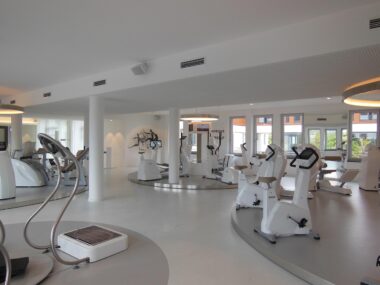
Understanding the various types of cardio equipment available can also help seniors choose the right tools for their workouts. Many gyms offer a range of machines, including treadmills, elliptical trainers, and stationary bikes, each providing unique benefits. Treadmills allow for varied pacing, accommodating different fitness levels, while elliptical machines are low-impact options ideal for those with joint issues. Recumbent bikes can provide back support, making them suitable for seniors who may struggle with traditional upright bicycles. Additionally, many gyms have row machines that emphasize full-body engagement, providing a solid cardio workout alongside strength benefits. When trying out machines, seniors should start with shorter sessions to gauge their comfort level and gradually increase duration and intensity. A certified trainer at the gym can guide proper form and machine usage, ensuring safe engagement with the equipment. Furthermore, seniors should experiment with different machines to discover what feels best for them. Ultimately, finding the right equipment can enhance both comfort and results, making cardio workouts enjoyable and effective long-term.
Listening to Your Body
One of the fundamental principles of exercising safely, particularly for seniors, is to listen to one’s body. It’s essential to differentiate between normal fatigue and pain that signals a potential injury. Seniors should be aware of their physiological limits and adjust the intensity of their workouts accordingly. Consistent discomfort or unusual fatigue might indicate the need for recovery or a reassessment of workout strategies. Additionally, incorporating cooldown periods post-workout is equally important; these allow the heart rate to gradually return to its normal state, preventing dizziness or fainting. Stretching after workouts helps maintain flexibility and prevents muscle stiffness. Setting realistic goals can also reduce the pressure that often leads to overexertion. Instead of aiming for significant changes in short periods, seniors should focus on gradual increases in stamina and strength. Using heart rate monitors can help seniors understand their exertion levels better. Moreover, it is helpful to seek support from peers or fitness professionals when uncertain about workout intensity. By prioritizing personal health signals, seniors can enjoy a rewarding and sustainable fitness experience.
Nutrition plays a pivotal role in supporting cardio workouts for seniors. A balanced diet can fuel the body and enhance overall performance, making it imperative for seniors to focus on nutrition alongside physical exercises. Including a variety of fruits and vegetables in their meals provides essential vitamins and minerals that contribute to better fitness outcomes. Lean proteins, such as chicken, fish, and legumes, can aid in muscle recovery and growth, further supporting exercise efforts. Whole grains can supply necessary energy, and seniors should include appropriate amounts of healthy fats, such as those from avocados or nuts. Staying hydrated is equally important; seniors should consume water before, during, and after workouts to maintain optimal fluid levels. Additionally, supplementation with vitamins must be considered, especially for those with specific dietary restrictions. Consulting a healthcare provider can offer guidance on beneficial supplements. Meal prepping can also help seniors stay on track with nutritious eating habits. Ultimately, combining proper nutrition with effective cardio workouts will facilitate better health management for seniors as they navigate their fitness journeys and overall wellness.
Conclusion
In conclusion, cardio workouts provide incredible benefits for seniors when executed safely and thoughtfully. Implementing low-impact routines, maintaining proper techniques, and listening to one’s body are all pivotal components to crafting an enjoyable workout experience. By embracing a holistic approach that includes nutrition and social interactions, seniors can enhance their quality of life, improve heart health, and elevate emotional well-being. Always remember to consult healthcare providers to tailor workouts specific to unique needs and limitations. Incorporating feedback from trainers can also boost confidence in technique and effort. Moreover, participating in group fitness classes can encourage seniors to stay committed to their routines, fostering both motivation and companionship. Encouraging family support and community involvement can further strengthen these positive habits. Finally, maintaining an optimistic outlook on fitness will pave the way for a successful journey. Everyone, regardless of age, deserves to stay active and feel fulfilled, demonstrating that age should never limit one’s ability to enjoy a vibrant, healthy life.
Prioritizing safety in every aspect of gym workouts builds a foundation for sustained health. To summarize safe practices for cardio workouts in the gym for seniors, consider adapting workouts to suit individual capabilities and preferences. Frequent consultations with healthcare professionals allow for an informed and personalized approach to fitness. Establishing a balanced workout regimen, combined with adequate nutrition, fosters the overall wellness of seniors. Furthermore, creating alliances with others who share similar fitness goals can contribute to a supportive environment, enhancing motivation and enjoyment in workouts. Ultimately, the key is to stay informed, remain flexible in workout plans, and celebrate every accomplishment, no matter how small. Through diligence and commitment, seniors can continue to thrive in their fitness endeavors, harnessing the rewarding benefits of cardio activity to enrich their lives. From simple walking to engaging in more advanced gym machines, the wealth of cardio options ensures that seniors will find something suitable and enjoyable to pursue. With dedication and awareness, they can foster strong, healthy lifestyles well into their later years.