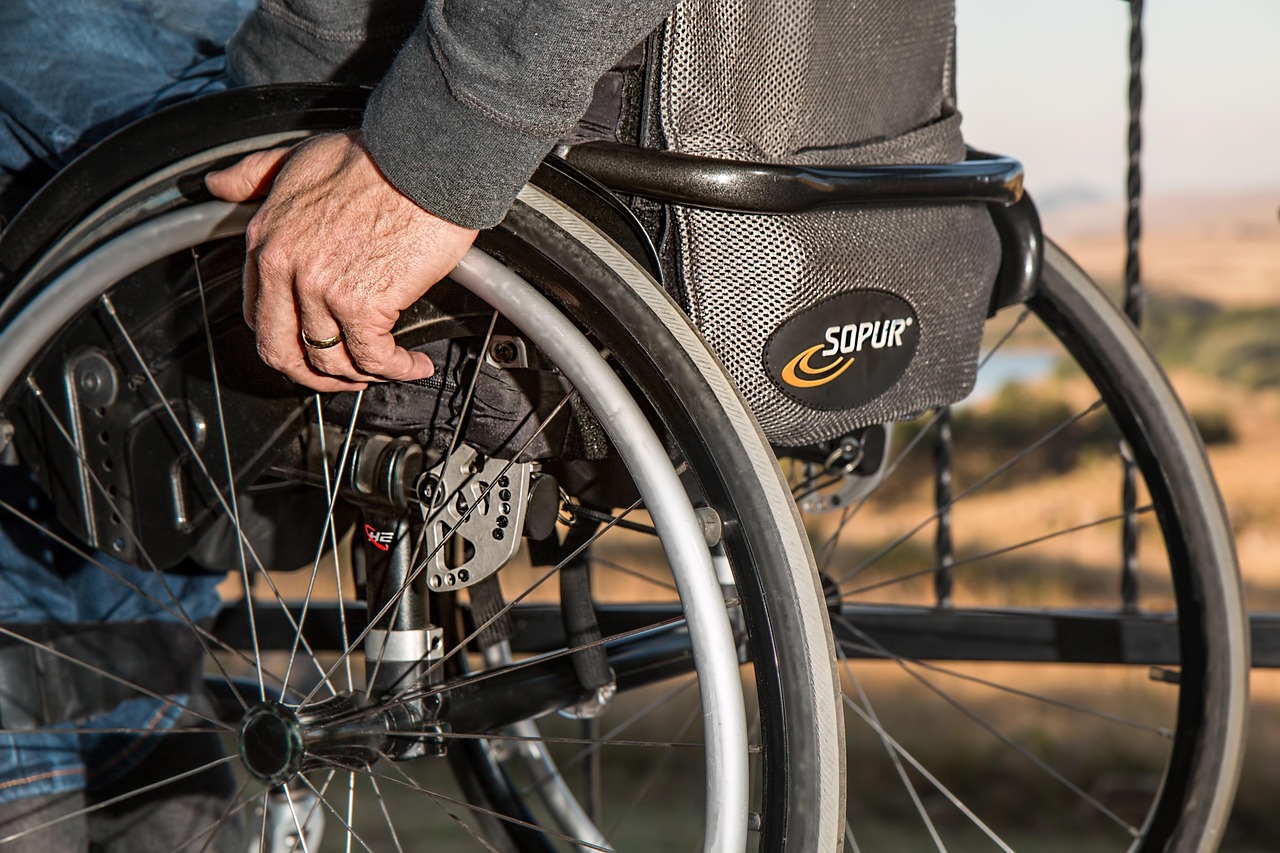

Adaptive Fitness Group Classes in Rehabilitation Centers
Adaptive fitness group classes provide essential support for individuals with disabilities. These classes offer tailored training to match participants’ unique needs, enhancing their physical capabilities. In rehabilitation centers, such programs become a cornerstone of recovery, focusing on strength building, flexibility, and mobility. By fostering social interaction, these classes motivate participants, creating an encouraging environment where everyone can thrive. Instructors trained in adaptive techniques design each session to ensure safety and effectiveness, allowing each individual to work at their own pace while feeling part of a community. Benefits include improved cardiovascular health, increased confidence, and social bonds among participants. Opportunities to engage in friendly competition can further boost motivation and resilience. As awareness increases, more rehabilitation centers are integrating adaptive fitness into their offerings. A multidisciplinary approach involves collaboration among therapists, fitness trainers, and medical professionals. Support from caregivers and families also plays a crucial role in participants’ success, ensuring they stay committed to their fitness goals. Personalized plans based on individual assessments help track progress, providing a structured path towards better health and improved quality of life for everyone involved.
Adaptive fitness group classes emphasize inclusion and participation. These classes cater to various disabilities, ensuring everyone finds a suitable program regardless of their physical conditions. The impact of these group classes extends beyond physical improvements; they also offer emotional and mental support. Participants gain a sense of belonging as they work alongside others with similar challenges. This camaraderie helps break down social barriers and enhances the overall experience. Each session usually combines warm-ups, skill drills, and fun activities, promoting engagement and enthusiasm. Adaptations in exercises allow individuals with mobility limits or other challenges to experience the joy of movement. Additionally, skilled instructors use creativity to modify routines, guaranteeing that everyone can be active participants. Variations in intensity accommodate diverse fitness levels, ensuring safety and minimizing the risk of injury. Regular feedback encourages participants to challenge themselves within their limits, fostering a culture of personal growth. Rehabilitation centers using adaptive fitness group classes report significant improvements in participants’ physical and social abilities. Ultimately, the goal is to create a sustainable fitness routine that individuals can carry beyond rehabilitation, fostering lifelong health and well-being through lasting changes.
Implementing Adaptive Techniques
Implementing effective adaptive techniques in group classes is vital for ensuring success. Instructors must undergo specialized training to develop the skills necessary for creating inclusive environments. Techniques may include chair exercises for individuals with limited mobility or resistance bands for enhancing strength without excessive strain. Empowering participants fosters independence and confidence, enabling them to take charge of their fitness journeys. Recognizing each person’s unique journey allows instructors to provide targeted support and adjustments during classes. Regular assessments are essential to track progress and refine exercise plans accordingly. Integrating technology can also assist in tailoring programs to meet specific goals, such as fitness trackers to monitor activity levels. These tools encourage participants by providing real-time feedback and measurable results. with interactive tools and workshops, fitness can feel less intimidating and more approachable. Workshops can introduce participants to self-advocacy concepts, helping them feel empowered to articulate their needs and preferences. Personal growth often stems from overcoming challenges, and supportive environments help cultivate resilience in these individuals. By remaining flexible and understanding evolving requirements, instructors can significantly enhance the effectiveness of adaptive fitness programs.
A supportive community environment fosters camaraderie among participants in adaptive fitness classes. Allowing individuals to share their experiences and challenges creates a profound support network. This interconnectedness encourages them to motivate each other, share tips, and celebrate milestones together. Group classes naturally lend themselves to teamwork, enhancing social interaction as participants learn and grow together. Engaging in social activities alongside physical training provides dual benefits—fitness and friendship. Building bonds through shared experiences enhances mental health and encourages commitment to fitness goals. Regular classes establish familiarity, reducing anxiety among newcomers and fostering a sense of belonging. As individuals feel more comfortable, they tend to push their limits further, exploring their capabilities in ways they may not have anticipated. Celebrating achievements, no matter how small, sets a positive tone that further strengthens these bonds. Opportunities for group challenges can create excitement and introduce fun competition, resulting in increased motivation. Subsequently, participants may experience personal growth not only physically but also emotionally as they learn from each other. Ultimately, the community aspect of adaptive fitness group classes enhances the overall experience, making fitness enjoyable and readily accessible for all participants.
Success Stories from Rehabilitation Centers
Numerous success stories from rehabilitation centers highlight the transformative power of adaptive fitness group classes. These stories showcase real people overcoming significant challenges through sheer determination and the supportive structure provided by group classes. Individuals who once struggled with basic movements often find themselves achieving newfound levels of strength and flexibility. Many report improvements in their mental well-being and social confidence. For instance, participants have shared their experiences of forging lasting friendships while rebuilding their lives through fitness. Others have successfully transitioned to independent living, emphasizing the skills gained from commitment to their fitness journey. These testimonials not only inspire current participants but also attract new individuals seeking similar transformations in their lives. Emphasizing success stories as part of promotional materials increases awareness of adaptive fitness as a viable option for many in need. Rehabilitation centers often host community events to spotlight these inspiring narratives, fostering understanding and empathy. Public recognition of participants’ achievements builds a sense of pride and accomplishment while empowering others to pursue their fitness journeys. Such success stories reflect the incredible changes that adaptive fitness programs can facilitate, showcasing potential for every individual in recovery.
Incorporating feedback from participants enriches adaptive fitness and ensures the classes evolve. Engaging individuals in discussions about their experiences helps instructors identify areas for enhancement. It is essential for rehabilitation centers to actively seek input, creating a culture of open dialogue around the adaptive fitness program. Participants often have valuable insights into how exercises can be modified to best suit their needs and preferences, leading to better overall engagement. Additionally, gathering data on class participation and success rates helps shape future programs and guides improvement strategies. Regularly reassessing individual goals and discussing progress fosters a supportive environment, showing participants that their input is valued and appreciated. By prioritizing feedback, trainers can design evolving curricula that remain relevant and impactful. These conversations can also promote a sense of ownership among participants, as they see their suggestions making a tangible difference. Analyzing trends in class preferences helps facilities understand the changing demands of their communities, ensuring that programs can adapt to meet these needs. Keeping classes fresh and engaging becomes easier when the voices of those most affected are at the forefront, driving meaningful change in adaptive fitness offerings.
The Future of Adaptive Fitness
The future of adaptive fitness looks promising with innovations continuously shaping the landscape of rehabilitation. Technology will play a central role in enhancing access to adaptive fitness classes, broadening participation via online platforms. Virtual classes enable individuals from remote areas to connect with qualified instructors, ensuring that everyone has access to tailored programs. Flexible scheduling can accommodate varying needs, allowing participants to choose the most suitable times for their classes. Furthermore, advancements in adaptive fitness equipment will create even more possibilities for enhancing students’ experiences. These innovations aim for increased inclusivity, providing tools that cater to an array of disabilities and fitness challenges. Building awareness and advocacy within communities will ensure that adaptive fitness remains a priority for future wellness initiatives. Strengthening the connection between rehabilitation centers and local fitness organizations can facilitate greater resources and shared knowledge. New collaborations may arise, allowing for expanded opportunities that benefit both participants and instructors alike. Ultimately, the future holds immense potential for adaptive fitness. As more individuals recognize its importance and share their success stories, adaptive fitness group classes will become a vital element of rehabilitation and wellness programs everywhere.
Connecting adaptive fitness with community resources will enhance the overall impact. Accessibility to local parks and recreational facilities will encourage participants to extend their fitness journey beyond rehabilitation sessions. Integrating adaptive fitness into community events and programs helps promote inclusivity. These interactions will raise awareness and educate the public on the capabilities of individuals with disabilities. By showcasing participants’ achievements in various settings, negative stereotypes can be challenged, fostering a more accepting environment. Collaboration with local businesses can also improve accessibility, providing discounts or sponsorship opportunities for adaptive fitness classes. This community support solidifies the importance of adaptive fitness as part of a holistic approach to health. Establishing partnerships with schools or universities can lead to workshop opportunities where students learn about adaptive fitness practices. Engaging younger generations fosters acceptance and understanding around disabilities, encouraging future inclusivity efforts. Ultimately, a cooperative approach to adaptive fitness will empower individuals and foster a greater sense of community. By aligning efforts and resources, successful adaptive fitness programs can flourish, ensuring everyone gets the support they need to lead healthier, more fulfilling lives.