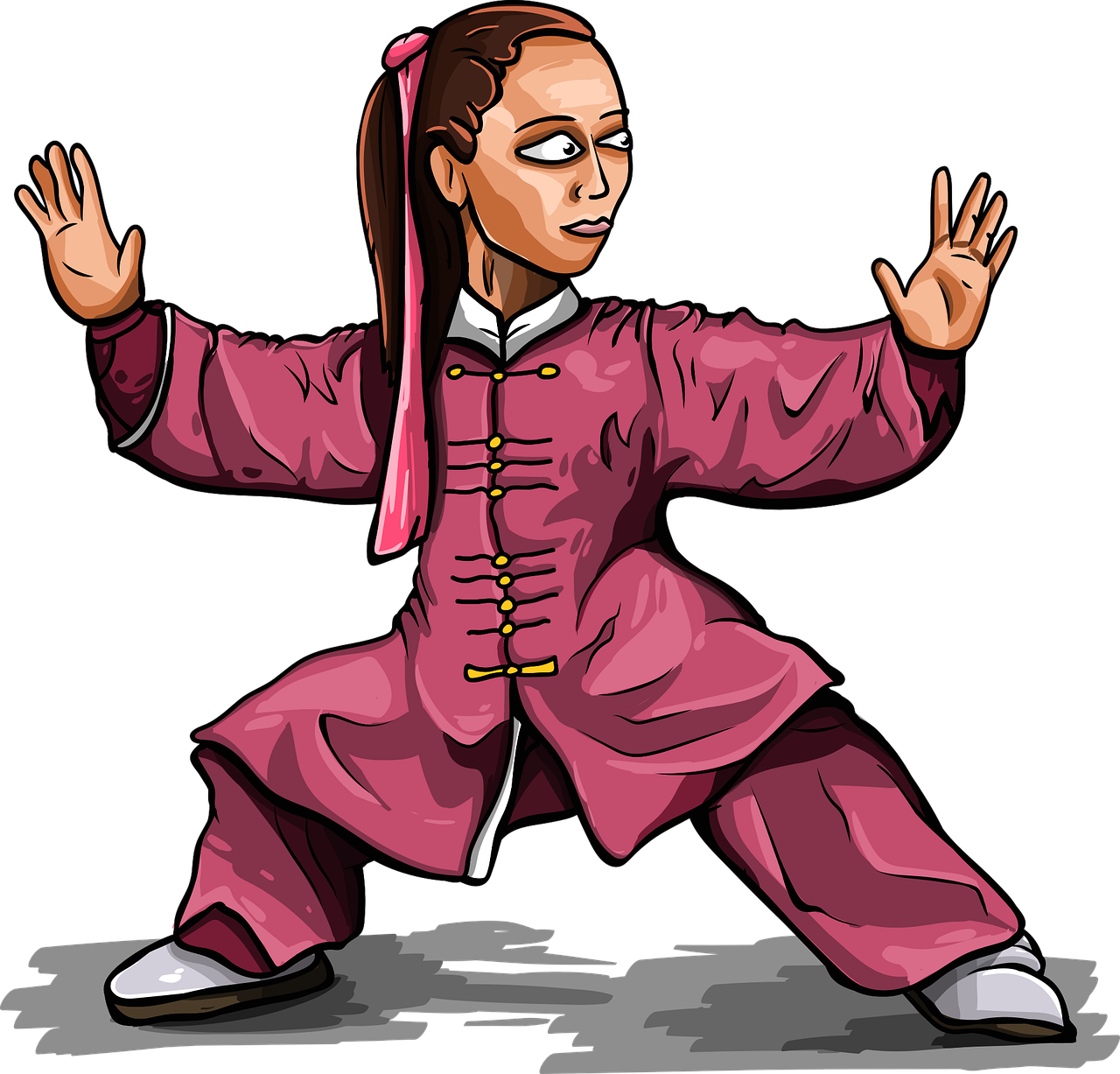

Tai Chi as a Low-impact Exercise for Mental Health
Tai Chi, originating from ancient China, represents a harmonious blend of movement, mindfulness, and meditation. This low-impact exercise emphasizes slow, deliberate motions, making it suitable for individuals of all ages and fitness levels. One significant benefit of Tai Chi is its potential impact on mental health, particularly in helping manage stress and anxiety. As individuals engage in Tai Chi, they focus on their breath and movements, promoting a meditative state that can fortify mental resilience. Research has demonstrated that practitioners often experience enhanced feelings of relaxation and well-being. Moreover, the community aspect of Tai Chi, typically performed in groups, fosters social interaction, mitigating feelings of isolation. Evidence suggests that regular sessions enhance mood and can be an effective adjunctive therapy for various mental disorders. Tai Chi cultivates a sense of balance, both physically and mentally. The practice encourages participants to be present, enabling them to cultivate mindfulness, which can lead to improved mental clarity. It’s widely known that such practices reduce stress hormones while increasing endorphin levels, contributing to emotional stability and overall mental fitness.
One of the foundational principles of Tai Chi is its gentle approach to movement, often likened to a dance. This unique characteristic is particularly beneficial for individuals dealing with physical limitations due to mental health issues. The fluid and flowing movements of Tai Chi engage the body without excessive strain, aiding those who may otherwise avoid physical activity due to fear of injury. Importantly, the controlled postures and movements help improve balance and coordination, essential factors that can diminish as mental health declines. Enhanced balance from practicing Tai Chi not only reduces the risk of falls, especially in older adults, but also instills confidence, promoting a healthier and more active lifestyle. This increased activity can further combat the symptoms of depression and anxiety. Moreover, the connection between the mind and body during Tai Chi practice fosters a sense of unity. This practice encourages mindfulness, allowing individuals to focus on the present moment, easing racing thoughts common in anxiety and stress disorders. In essence, Tai Chi serves as a comprehensive tool, integrating physical activity with essential mental health benefits contributing to overall wellness.
The Role of Breath in Tai Chi Practice
Breath control is a fundamental element of Tai Chi, playing a pivotal role in its mental health benefits. Focusing on deep, slow breathing during practice not only enhances the physical experience but also calms the mind. This emphasis on breath reflects a central tenet of many mind-body exercises, connecting physical movements to mental states. By mastering controlled breathing, practitioners find that their anxiety levels diminish, while feelings of peace and clarity enhance. Deep breathing triggers the body’s relaxation response, counteracting the stress response that often accompanies mental health challenges. Furthermore, this practice can boost oxygen circulation throughout the body and mind, allowing for improved cognitive function. As individuals learn to manage their breath, they also cultivate a greater awareness of their bodily sensations and emotions. This heightened sense of awareness can serve as a valuable tool in recognizing triggers that may lead to anxiety or stress. As participants delve deeper into their practice, the connection between breath and movement fosters a comprehensive understanding of how their emotional state can influence physical health. This holistic approach can ultimately enhance self-compassion and acceptance during their mental health journey.
The environmental aspect of Tai Chi practice also significantly contributes to its mental health benefits. Often practiced outdoors, Tai Chi allows individuals to connect with nature, which has been shown to improve mood and alleviate stress. Natural settings provide a tranquil backdrop that enhances participants’ experiences, promoting a sense of calm and relaxation. Engaging with the environment allows individuals to shift their focus away from personal struggles while immersing themselves in the present moment. Additionally, the rhythmic nature of Tai Chi movements, combined with the surrounding beauty of nature, creates a meditative space that fosters peace and clarity. This interaction with nature has been linked with reduced feelings of anxiety and depression in various studies. Furthermore, participating in Tai Chi outdoors may encourage more frequent practice; accessibility plays a huge role in establishing healthy habits, especially for those with mental health challenges. Regular outdoor practice can promote resilience, allowing participants to confront life’s challenges more effectively. This synthesis of movement, mindfulness, and nature places Tai Chi as an empowering practice that nurtures both body and mind.
Social Dynamics in Tai Chi Communities
Participating in Tai Chi often involves engaging with a community, which serves as a crucial element for mental health support. The social dynamics inherent within Tai Chi classes foster a sense of belonging, promoting emotional connections with others. This camaraderie can alleviate feelings of isolation and loneliness that many individuals with mental health issues often face. Many practitioners report feeling uplifted due to shared experiences and encouragement from peers. Furthermore, learning together in a supportive environment can enhance motivation and commitment to regular practice. As individuals connect through Tai Chi, they build relationships that extend beyond the physical activity, creating a supportive network for emotional and mental wellness. This aspect of community is particularly beneficial for older adults, who may experience significant social withdrawal due to health-related issues. Overall, engaging with others in Tai Chi strengthens emotional support systems, making it an essential component for mental well-being. The friendships formed through this practice create a positive feedback loop, where shared joy and experiences reinforce participants’ dedication to nurturing their mental fitness through movement.
The adaptability of Tai Chi to various settings and needs adds tremendous value to its appeal. Tai Chi classes can be found in diverse settings, such as community centers, parks, and rehabilitation centers, enhancing accessibility for individuals seeking mental health benefits through exercise. This adaptability allows individuals recovering from mental disorders to find a practice suitable for their needs, making it a versatile choice. Moreover, online Tai Chi resources have exploded in popularity, allowing even those unable to attend in person to benefit from guided sessions. From beginners to advanced practitioners, individuals can find tailored programs that fit their personal level and pace. By promoting gradual progress, Tai Chi can help participants develop confidence in their abilities while simultaneously benefiting their mental health. Consequently, individuals are more likely to adhere to a practice they enjoy and resonate with, which is vital for sustained mental wellness. The convenience of accessing Tai Chi virtually ensures that anyone, regardless of their situation, can work on improving their mental health through movement. This flexibility underlines Tai Chi’s relevance in contemporary lifestyles, where mental fitness remains a priority.
Tai Chi: A Pathway to Emotional Resilience
Emotional resilience is a critical factor in maintaining mental health, and Tai Chi provides a pathway for its development. The discipline required in practicing Tai Chi encourages perseverance, patience, and focus. Through consistent practice, individuals learn to face challenges with a composed mindset, equipping them with tools to handle stress and adversity. This cultivation of resilience is particularly beneficial for individuals recovering from mental health issues. As practitioners advance in their Tai Chi journey, they become more aware of their emotional responses, gaining insight into their behaviors and reactions. This self-awareness is essential for fostering positive coping strategies. Additionally, the soothing movements and breathing techniques practiced in Tai Chi can alter the body’s physiological response to stress, enabling practitioners to remain calm under pressure. Regular practice can reduce emotional reactivity, leading to more thoughtful and measured responses in challenging situations. With time, Tai Chi facilitates a deeper connection between mind, body, and spirit, creating a strong foundation for emotional strength. Ultimately, incorporating Tai Chi into a mental health routine can be transformative, paving the way towards a balanced and resilient life.
In conclusion, Tai Chi emerges as a holistic practice with numerous mental health benefits. Its gentle movements, focus on breath, and connection to community illustrate how low-impact exercise can significantly improve mental well-being. By fostering mindfulness and emotional resilience, Tai Chi provides practitioners with tools to navigate life’s challenges effectively. As individuals increasingly turn to natural and accessible methods for coping with mental health issues, Tai Chi stands out as an invaluable practice worth exploring. With ongoing research supporting its benefits, anyone seeking improvement in their mental health can find solace and strength in Tai Chi. Engaging with this practice not only enhances physical fitness but also uplifts the spirit, making it a beneficial addition to any mental health strategy. By joining a community or practicing in solitude, individuals can experience the transformative power of Tai Chi firsthand. Now more than ever, embracing such practices can lead to greater emotional stability and overall wellness. Starting a journey in Tai Chi can serve as a turning point for countless individuals aiming to improve their physical and mental health simultaneously.