
Incorporating Dynamic Balance Techniques into Your Workout Routine
Dynamic balance techniques are essential for athletes and fitness enthusiasts alike. They improve coordination, stability, and overall physical performance. Implementing these strategies into your workout regimen can yield significant benefits, helping to prevent injuries and enhance efficiency in movements. Start by understanding the fundamentals of dynamic balance, which involves maintaining control of your body’s center of gravity in motion. Working on these techniques helps individuals perform various activities safely and effectively while enhancing athletic performance. Moreover, engaging in dynamic balance exercises targets different muscle groups, promoting functional strength gains. One can explore various activities, including agility drills, stability exercises, and balance-based workouts, to incorporate into your routines. Each exercise, from single-leg stands to dynamic lunges, can contribute significantly to enhancing overall body control. Moreover, these techniques allow individuals to challenge their limits on different surfaces and conditions. Remember to start slowly and progress gradually, allowing your body to adapt to these new challenges. Create a balanced workout plan that includes dynamic exercises to ensure holistic fitness improvement.
One effective way to engage in dynamic balance training is through incorporating specific exercises that target stability. Examples include the single-leg deadlift and the lateral lunges. Both exercises not only improve balance but also enhance proprioception and core stability. When performing these exercises, it is essential to focus on maintaining proper form and alignment to maximize the benefits. Dynamic balance exercises can also be incorporated into fun and engaging workout games. For instance, try incorporating balance boards or bosu balls into your training routine. These tools provide a challenge that increases overall coordination. Moreover, you can introduce elements of competition with partners or groups, making the workout lively and enjoyable. Furthermore, practicing activities that involve quick direction changes can be beneficial. Sports such as basketball or soccer require players to adapt their movements dynamically, which is a perfect opportunity for balance training. Explore various sports or recreational activities that enhance your dynamic balance skills. Consistent practice of these techniques not only improves balance but also boosts confidence in physical abilities.
Benefits of Dynamic Balance Training
Incorporating dynamic balance workouts into your routine offers numerous benefits that transcend the gym environment. Improved balance enhances athletic performance, allowing athletes to execute movements more fluidly and explodes power during activities. Additionally, dynamic balance training aids in injury prevention by strengthening muscles, improving coordination, and promoting resilience. Enhanced proprioception also contributes to better control over movement, ultimately leading to greater functional independence. This practice is particularly vital for older adults, as it can reduce the risk of falls and associated injuries. Furthermore, the mental component cannot be overlooked. Constantly adjusting to maintain balance helps sharpen focus and cognitive functions. Engaging in cardio workouts alongside balance training fosters an increased heart rate, leading to better cardiovascular health. As skills develop, one may notice improved agility and flexibility, which are essential for everyday activities and sports. Lastly, successful mastery of dynamic balance techniques encourages setting and achieving fitness goals, promoting a sense of accomplishment. Hence, it leads to long-term adherence to exercise routines as motivation flourishes. These synergistic effects embellish the overall fitness journey, encouraging lifelong learning and adaptation.
To effectively incorporate dynamic balance techniques, consider creating a structured plan that gradually increases in complexity. Begin with simple exercises like marching in place or heel-to-toe walking to develop foundational balance. As skills progress, introduce variations such as dynamic stretches while balancing on one leg or performing movements on unstable surfaces. It is also beneficial to combine lower-body balance drills with upper-body movements, integrating full-body coordination. Incorporate core exercises like planks or side planks to build stability from the center outward. Using lightweight dumbbells or resistance bands while practicing balance can further challenge your body, promoting muscular engagement. To stay motivated, keep track of your progress by logging routine successes and improvements. Additionally, consider joining group classes focused on balance training, where you interact with others with similar fitness goals. Engaging with a community can help sustain enthusiasm and commitment. Make the workouts even more enjoyable by integrating music or practicing with friends. Remember, variety is key to maintaining interest in your routine and reaping maximum benefits.
Dynamic Balance Tools and Resources
To enhance your training experience, consider incorporating specific tools designed for dynamic balance training. Here are a few suggestions that can help improve your workouts:
- Balance Boards: Excellent for challenging stability and coordination, these tools come in various shapes and sizes.
- Bosu Balls: Useful for combined cardio and balance, enabling diverse exercises.
- Foam Rollers: Promotes balance while enhancing flexibility and muscle recovery post-workout.
- Stability Balls: Adds an element of instability to strength training exercises.
- Resistance Bands: Incorporate them into balance drills for added strength challenge.
These tools can add a new dimension to your workouts. When using these devices, always prioritize safety by ensuring appropriate use and control. They can significantly increase the effectiveness of your workout. Furthermore, online tutorials or fitness classes can help you learn new balance techniques and exercise combinations. With these resources and recommendations available, incorporating effective dynamic balance methods becomes easier.
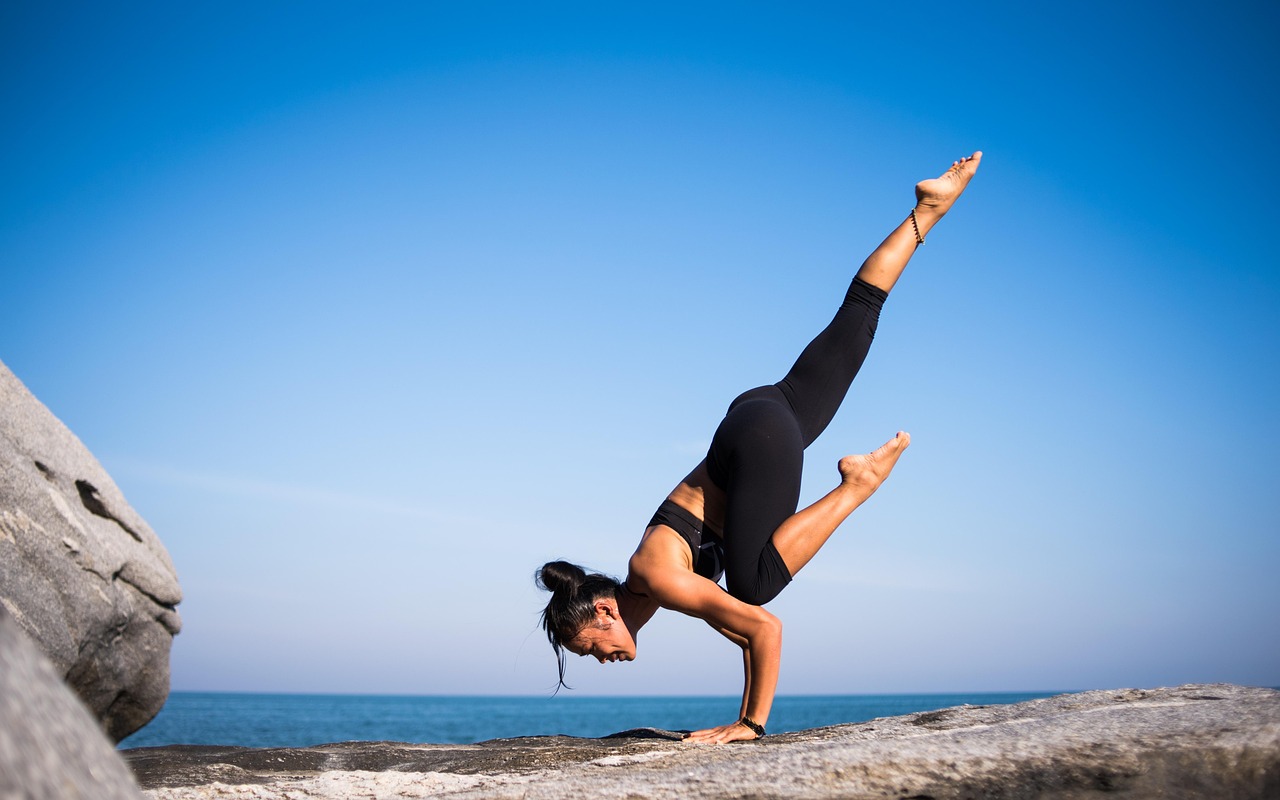
Another essential aspect of incorporating dynamic balance techniques into your routines is the emphasis on breathing and mindfulness. Focusing on proper breathing while performing exercises helps enhance concentration, which is crucial for maintaining balance. As you practice, take deep breaths, allowing your diaphragm to control your movements. Syncing breath with movement creates a rhythmic flow that minimizes tension and allows your body to operate efficiently. Additionally, practicing mindfulness can improve awareness of your body’s movements, ultimately helping you to identify areas that require adjustments. You may also introduce visualization techniques to boost your workout performance. Picture yourself executing each movement precisely, along with maintaining a strong center of gravity. This mental preparation is crucial for athletes looking to achieve peak performance. Furthermore, the practice of yoga can enhance dynamic balance. Yoga emphasizes breath control, flexibility, and the connection between mind and body. Incorporate poses such as tree pose and warrior III into your regimen to develop stability while promoting relaxation. Consistent practice of mindfulness and breathing will significantly improve both balance and mental agility during workouts.
Conclusion
Incorporating dynamic balance techniques into your workout routine not only enhances physical performance but also aligns with overall well-being. Emphasizing core strength, coordination, and mindfulness throughout the process yields positive results both physically and mentally. Start with basic exercises to build confidence and gradually progress to more advanced movements and tools. Remember to maintain a focus on proper technique to optimize your training sessions effectively. Staying engaged with various tools and resources, along with incorporating enjoyable elements, will help sustain your interest and commitment to balance training. Don’t forget the importance of consistency and gradual progression in skill development. Aim to incorporate several dynamic balance movements into your workouts each week for substantial improvement. Furthermore, share your experiences with friends or join community workouts to learn and exchange new strategies. As your balance improves, feel free to explore new fitness disciplines, events, or training challenges. Embrace the journey of incorporating dynamic balance techniques, and you’ll find that the skills honed will enhance your overall fitness journey, inspiring you to reach new levels of performance.
In conclusion, dynamic balance techniques are vital for improving physical stability, performance, and mental focus. Prioritize incorporating specific exercises, fun activities, and essential tools into your routine. Consistently practice these principles for long-term benefits.