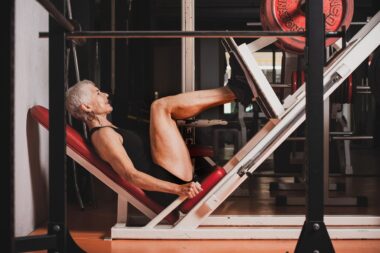

The Psychological Benefits of Strength Training in Aging Populations
Strength training, widely recognized for its physical advantages, offers profound psychological benefits for older adults. Engaging in consistent strength training routines helps improve self-esteem and body image, which can significantly enhance mental well-being. Research has shown that older adults who participate in strength training report feeling more capable of performing daily activities, fostering a sense of independence. Additionally, this independence is crucial as it diminishes feelings of helplessness and boosts overall life satisfaction. The social component of training in groups amplifies these benefits, creating a community of support. Emotional health is improved as participants make friends and share experiences during workouts. In essence, strength training becomes a vehicle for reconnecting and engaging with life more fully. Furthermore, studies suggest that the psychological effects of strength training extend beyond immediate improvements. Long-term participation can lead to sustained reductions in anxiety and depressive symptoms. By empowering older adults to take control of their health, strength training paths pave the way for a more fulfilling and active lifestyle. These psychological advantages should be in every health dialogue surrounding aging and fitness. Incorporating strength training can lead older adults toward healthier, happier lives.
Aging is often accompanied by various psychological challenges, including anxiety, depression, and cognitive decline. Regular strength training not only serves as a physical exercise but also acts as a powerful antidote to these aging-related issues. Engaging in strength training can bolster mood through the release of endorphins. These feel-good hormones can lift spirits and combat feelings of sadness and anxiety. Furthermore, as older adults navigate life transitions such as retirement or loss of loved ones, the sense of control gained through strength training can be invaluable. It promotes resilience, allowing individuals to face challenges with a renewed sense of hope. Social interactions within training sessions can also alleviate feelings of isolation. As older people socialize, they find camaraderie and mutual support, reducing loneliness. Personalized training regimens can cater to individual needs, making participants feel empowered. Empowerment, in turn, enhances self-efficacy, contributing positively to mental health. Engaging in regular exercise improves overall mood while fostering a sense of belonging. Such factors are critical for maintaining motivation for overall health as one ages. Fostering connections through group strength training activities enhances psychological resilience in older populations. In short, strength training is more than physical; it is deeply emotional.
Enhancing Cognitive Function Through Strength Training
Strength training is more than just physical improvement; it also enhances cognitive functioning in older adults. Numerous studies indicate that regular resistance training positively impacts memory, attention, and overall brain health. As individuals age, cognitive decline can lamentably set in, affecting everyday tasks and independence. However, strength training can slow this decline and even improve neuroplasticity—the brain’s ability to adapt and grow. Physical activity prompts increased blood flow to the brain. Enhanced circulation, paired with neural connections stimulated by exercise, promotes better cognitive function. Furthermore, strength training may also increase the production of essential brain-derived neurotrophic factor (BDNF). BDNF is primarily responsible for supporting neuron survival and growing new neurons. Consequently, supplementary neuroplasticity translates into improved cognitive capabilities. Additionally, enhanced focus during strength training may help sharpen concentration levels in daily life. Furthermore, the social element present in group strength training settings can also bolster cognitive engagement. Engaging with others stimulates mental activity and encourages communication. By challenging both the body and mind, strength training becomes an integrated approach to maintaining cognitive vitality. Older adults investing in strength training can experience significant cognitive advantages alongside physical gains, promoting a more rounded approach to aging gracefully.
Improving Quality of Life
Improving the overall quality of life is another critical psychological benefit of strength training. In older adults, physical strength translates into the ability to perform daily activities more easily and independently. This newfound independence leads to an increased sense of purpose and a positive outlook on life. Furthermore, being able to complete tasks without assistance contributes to higher self-confidence. Strength training promotes physical health, yet its psychological benefits are enormously impactful. Improving one’s physical abilities often results in increased social interaction. As older adults feel empowered, they engage more in community activities, fostering relationships that combat feelings of loneliness. Overall, a robust support network can dramatically influence mental well-being and boost life satisfaction. Moreover, the routine of strength training introduces structure, which is vital as daily routines may become disrupted with aging. Having a regular program fosters a sense of achievement as older adults set and reach personal goals. Recognizing increased strength, endurance, and mobility is an empowering journey. Each accomplishment reinforces self-worth and motivates consistency. Strength training emphasizes holistic well-being; maintaining a vibrant identity reshapes narratives surrounding aging by adjusting attitudes toward life’s later chapters positively and enthusiastically, enriching the lives of older adults.
Additionally, strength training has been closely linked with improved sleep quality among older adults. Sleep disturbances and disorders are common complaints in aging populations and can significantly impact psychological health. Engaging in physical activity, particularly strength training, helps regulate the body’s circadian rhythm. Improved sleep patterns contribute to elevated mood, reduced fatigue, and decreased irritability. Quality sleep enables individuals to face daily challenges with renewed energy and clarity. Furthermore, a good night’s sleep enhances cognitive function, creating a positive feedback loop. So, as older adults participate in strength training, they may notice significant improvements in sleep quality. Many individuals report feeling calmer and more focused following consistent workouts, leading to a more balanced emotional state. The cumulative benefits of improved sleep greatly enhance overall quality of life in older populations. Enhanced mood and reduced anxiety can empower individuals to interact more fully with their communities and loved ones. Additionally, achieving fitness goals contributes to positive self-image and motivation. Such psychological benefits are invaluable as older adults seek a fulfilling life. Addressing sleep-related challenges through strength training underscores the importance of adopting a more comprehensive approach to aging, emphasizing the mind-body connection continuously.
Long-term Psychological Effects
While immediate gains from strength training are easily recognized, the long-term psychological effects are often more transformative. Engaging in a strength training routine consistently instills discipline and a sense of achievement over time. As older individuals see improvements in their physical capabilities, they also foster resilience against life’s stressors. Long-term participants in strength training often report a clearer sense of purpose and direction. The daily commitment to physical fitness positively influences mental health, enhancing overall well-being. Furthermore, these long-term psychological effects help maintain motivation in other areas, encouraging a holistic approach to life’s experiences. Age-related changes can be daunting, yet overcoming challenges through strength training empowers individuals. Training builds muscles and also fortifies emotional strength. As older adults invest in their wellness journey, they cultivate a positive mental attitude towards aging. They become more open to new experiences and actively engage with life. Such shifts in perspective can lead to a vibrant attitude towards life’s later stages. Additionally, they can inspire others in their peer group to pursue their health and wellness journeys. Establishing a supportive environment fosters continuity in strength training activities among aging populations.
Finally, incorporating strength training into routine promotes intergenerational interactions. Programs that allow younger generations to assist or train older adults in strength training create bonds. Such collaboration encourages communication between different age groups, enhancing understanding and compassion. Connecting with younger generations alleviates feelings of isolation often associated with aging. Engaging across generations also facilitates the exchange of stories and wisdom, enriching the training experience for both parties involved. Additionally, these interactions can teach younger participants about the importance of health and wellness as they observe firsthand the benefits that strength training offers. This reciprocal relationship fosters respect and empathy. Previous studies reflect that social connections are fundamental to psychological well-being, particularly for older adults. When strength training environments prioritize connection and inclusivity, they can create lasting relationships and lifelong networks of support. Ultimately, fostering an environment where generational divisions diminish reiterates the holistic benefits of strength training. Strength training programs actively engaging across generations contribute to the aging population’s psychological health. By investing in intergenerational programs, communities can reinforce the overall well-being and resilience of older adults, enhancing their quality of life and enriching the lives of all involved.