
Hydration Packs and Bottles: What Triathletes Need to Know
For triathletes, staying hydrated during training and races is critical, especially considering the intense physical demands of the sport. Proper hydration not only improves performance but also helps prevent injuries related to dehydration. A wide variety of hydration packs and bottles are available on the market, each designed to cater to specific needs of athletes. When selecting a hydration system, consider the distance of your training sessions, personal preferences, and the type of terrain you’ll encounter. Keeping essential factors like comfort, accessibility, and ease of use in mind is vital for successful hydration strategies. Moreover, both packs and bottles offer unique benefits. Packs can distribute weight evenly across the body, allowing for hands-free drinking, while bottles provide quick and easy access for on-the-go hydration. Prioritize products that fit well, are lightweight, and offer easy cleaning mechanisms. Some hydration systems include additional features like pockets for nutrition, allowing for optimized performance when on the move. Being equipped with the right hydration gear is crucial for triathletes striving toward their goals.
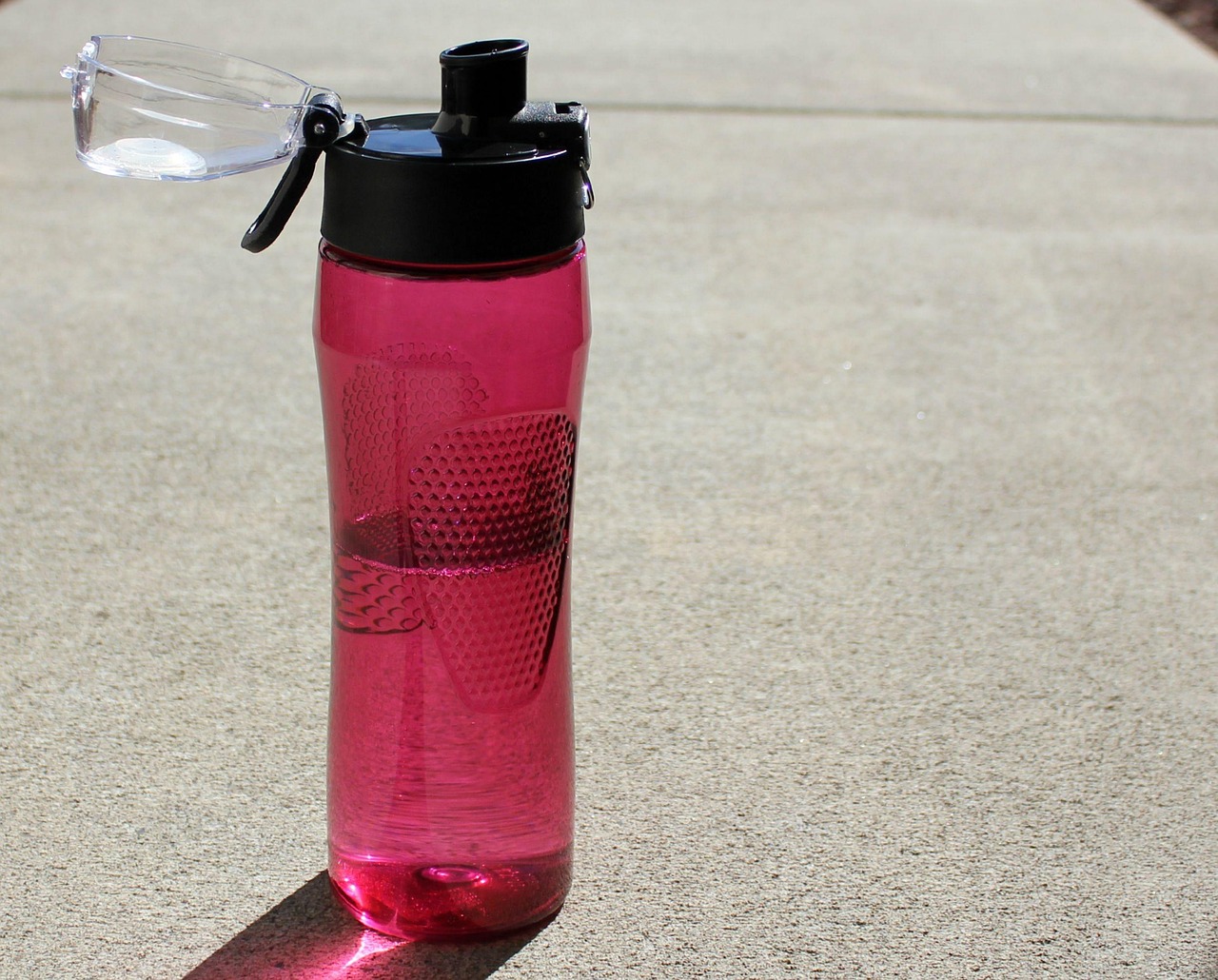
Understanding the differences between various hydration systems can help triathletes make informed decisions. Hydration packs, often worn on the back like a backpack, allow for extended periods of hydration without the need for frequent stops. They typically come with a bladder and a nozzle for easy sipping while running or cycling. These packs usually offer a greater fluid capacity than bottles and are designed for hands-free use, making them ideal for long-distance training. On the other hand, hydration bottles come in multiple styles, ranging from squeeze bottles to insulated ones that keep liquids at desired temperatures. Opting for bottles equipped with measuring marks helps in tracking intake during workouts. While packs may be better for prolonged activities, bottles excel in shorter, more intense sessions due to their accessibility. It is vital to test out different options during training to determine personal preferences and comfort. A triathlete’s gear should reflect individual needs and the specific demands of training and races. Therefore, trying several systems before committing is key to a successful strategy.
Choosing the Right Hydration Gear
When it comes to selecting hydration packs or bottles in triathlon training, personal preference plays a significant role. Some athletes prefer the convenience offered by hydration packs, which often provide hands-free hydration during races. This allows triathletes to focus on their performance without worrying about carrying fluids manually. Conversely, other athletes might find bottles more practical as they are easier to refill and clean. Ultimately, the choice depends on individual training habits and race needs. Hydration packs come in various styles and sizes, making it essential to find one that fits comfortably. A well-fitting pack should rest securely against your body to prevent excessive movement during triathlons. Additionally, consider the weight of the pack when filled with water to ensure it does not hinder your performance. For bottles, various designs accommodate different riding and running styles, so exploring options such as grips or nozzle shapes can enhance convenience. Overall, trialing different packs and bottles ensures a comfortable fit and optimal performance when participating in cycling, swimming, or running.
Another critical factor in choosing hydration equipment is the type of events and training sessions planned. For instance, during an Olympic-distance triathlon, having an easily accessible hydration bottle may be advantageous, while a hydration pack might be more suitable for long training sessions or adventure races. This emphasizes the importance of tailoring gear to the demands of the specific event. Triathletes often need to balance hydration with energy intake. Choosing packs or bottles that feature compartments for snacks or electrolytes can streamline the training process. Athletes should also pay attention to the materials used in their hydration systems. BPA-free plastics, for example, ensure that liquids remain uncontaminated, maintaining taste and quality. Durability is another significant factor; high-quality materials withstand the wear and tear of rigorous training. Cleaning and maintenance are vital too. Many hydration systems come apart for easy cleaning, eliminating odors and bacteria. Explore options that allow for a thorough cleaning regimen to keep hydration systems functioning properly. This way, triathletes can efficiently stay hydrated without compromising on performance.
Expert Recommendations for Hydration
To achieve optimal hydration, experts recommend experimenting with various hydration methods during training. A triathlete should test hydration packs, bottles, and even hydration tabs while preparing for competitions. Monitoring fluid consumption and its effects on performance can significantly influence race-day results. Moreover, incorporating electrolytes into the hydration plan is crucial, especially during hot weather or extended training sessions. Adding flavors to hydration systems can keep athletes motivated and engaged in their hydration strategy. It is a great idea for triathletes to consult nutritionists or hydration specialists to determine individual hydration needs tailored to specific workouts and conditions. Consistency in hydration practices between training and competition forms a crucial bridge for maintaining energy levels. Implementing systematic hydration techniques during training encourages athletes to fine-tune these practices in real race scenarios. Keep in mind various physical factors influencing hydration, such as temperature, humidity, intensity, and duration of workouts. Adjusting hydration strategies based on these factors will lead to continuous improvement and higher performance. Finding what works best through experimentation enables athletes to confidently approach hydration before and during races.
Lastly, remember to include hydration as a part of the overall nutrition strategy for long-term triathlon success. Triathletes should create a scheduled hydration routine that aligns with their training regimen. This routine assists in developing good practices that translate to race-day performance. Monitoring hydration levels before, during, and after workouts encourages awareness of fluid needs. Athletes should adopt a reliable method for determining their hydration statuses, like weighing themselves before and after workouts, as this helps gauge fluid loss. Ideally, drink fluids consistently and avoid waiting until feeling thirsty, as thirst is often a sign of dehydration. Using both hydration packs and bottles interchangeably during training can provide adaptability and flexibility, enhancing overall performance safety. Ultimately, triathletes must value the importance of staying hydrated, as fluid management significantly impacts training efficiency and endurance capabilities. Remember to stay committed to a structured hydration approach, merging it seamlessly with other training elements. By prioritizing hydration and mastering equipment use, triathletes can ensure they remain at the peak of their physical performance.
Conclusion: Stay Hydrated for Success
In conclusion, selecting the right hydration packs and bottles is essential for triathletes. Each option comes with its pros and cons, and choosing the right one requires personal preference and individual training demands. Whether opting for hydration packs that keep hands free or quick-access bottles for convenience, knowing how to use them correctly could lead to improved performance. Make informed choices based on trial and testing different systems, ensuring personal comfort and ease of use. It is crucial to adopt consistent hydration practices during training, as well as on race day, making lasting impacts on performance levels. Incorporating hydration into overall nutritional strategies allows triathletes to maintain energy and focus throughout various training sessions. Seeking expert advice can further optimize hydration strategies tailored to personal needs. As hydration continues to be a vital part of triathlon success, it is essential to value its role in enhancing performance while preventing common hydration-related pitfalls. With attention to detail and a structured approach to hydration, triathletes can ensure maximum readiness, paving the way for excellent performance during competitions. Grab your gear and hydrate effectively!
This section offers a summary of the importance of hydration in triathlons, emphasizing the significance of evaluating personal hydration solutions. A well-balanced hydration strategy integrates different systems to match the training intensity and duration. Triathletes who actively balance hydration approach will experience improved race performance. Always tailor your hydration gear according to the challenges of your training and prioritize practice before race day. Understand your hydration needs through careful observation, testing, and fine-tuning methods that work best for you. Investing the time to establish a solid hydration routine can lead to overall endurance improvements and greater satisfaction during competitions. This concludes our deep dive into hydration packs and bottles, highlighting the central role of equipment selection and personal preference. Remember to stay adaptable and enjoy your training experiences. Keep striving for success in your triathlon journey!