
The Science Behind Kung Fu Movements and Impact
Kung Fu is not merely a set of fighting techniques; it embodies a profound philosophy and scientific approach to movement. The elegance of Kung Fu lies in its intricate blend of physical body mechanics and mental acuity. Practitioners learn to use their bodies in a way that maximizes efficiency and minimizes energy expenditure. The impact of each movement is rooted in physics, as force, speed, and body positioning play a critical role. Mastering these components requires dedication and a deep understanding of the body’s capabilities. Training in Kung Fu enhances not only martial skills but also develops physical attributes such as strength, flexibility, and balance. These foundational elements support the development of techniques that are precise and powerful. Furthermore, Kung Fu encourages practitioners to achieve mental clarity and emotional resilience. Every strike and movement becomes an expression of inner peace and focus. Importantly, Kung Fu also teaches the significance of respect and discipline, extending beyond the martial arts dojo. By fostering these values, Kung Fu cultivates a holistic approach to self-defense, wellness, and personal growth in daily life.
The Mechanics of Kung Fu Techniques
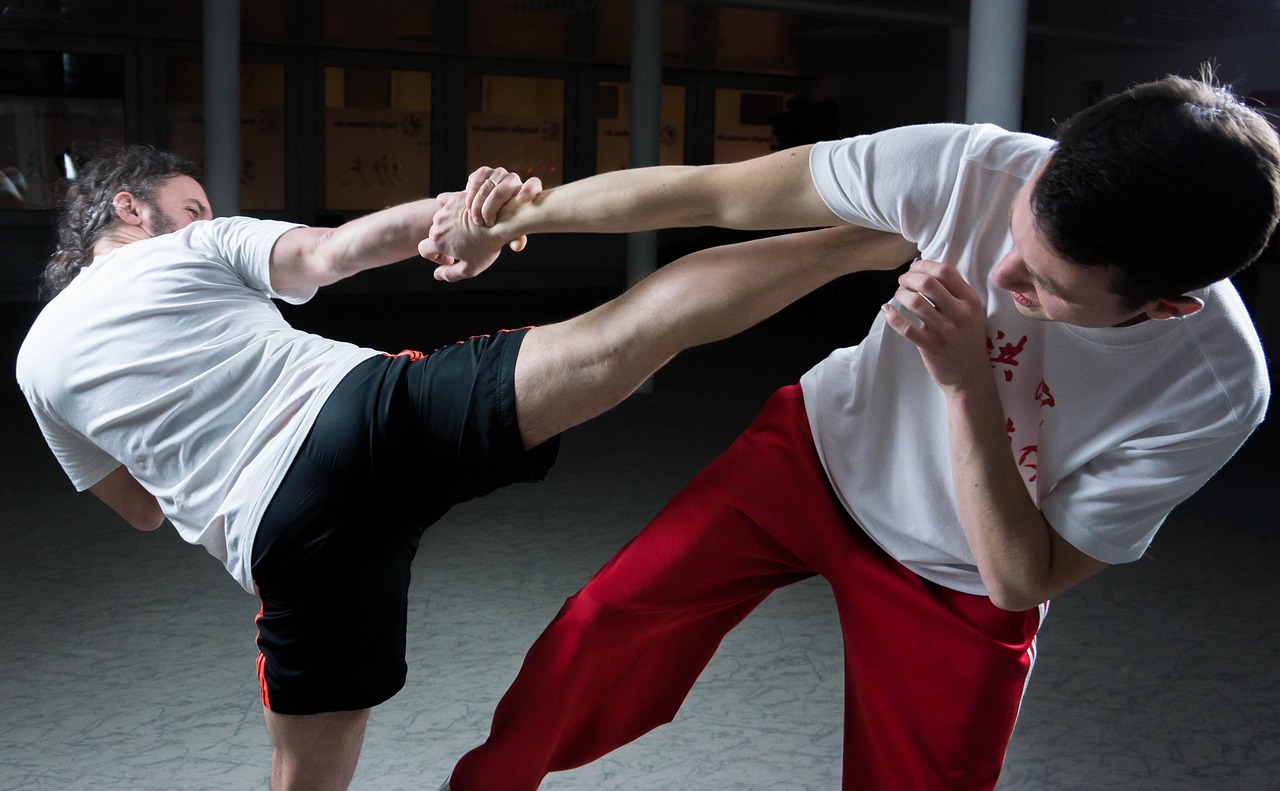
Understanding the mechanics of Kung Fu techniques is crucial for both new and experienced practitioners. Every movement in Kung Fu has a purpose and utilizes the body’s natural biomechanics. For example, stances and footwork are designed to provide stability and mobility, allowing for quick movement and effective strikes. The importance of stance cannot be overstated; it forms the foundation for powerful punches and kicks. Through specific techniques, practitioners learn to harness their body weight and momentum to maximize impact. The energy generated from these actions translates into effective self-defense tactics. Additionally, practitioners focus on breathing techniques that enhance performance. Proper breath control aids in maintaining stamina and enhancing focus during training or combat. It is often said that where the breath flows, energy follows, meaning effective breathing contributes to better movement efficiency. The psychological aspect is also significant; mental focus and intent during practice can elevate physical performance. Consequently, the combination of mechanical understanding and mental discipline creates a complete martial arts experience, fostering both confidence and skill in practitioners of all levels.
Nutrition plays an integral role in enhancing a Kung Fu practitioner’s performance. Nutrition impacts energy levels, recovery, and overall fitness. A balanced diet rich in whole foods fuels the body during rigorous training sessions. Vegetables, whole grains, proteins, and healthy fats contribute to improved stamina and strength. Hydration is equally crucial; fluid loss can limit performance and increase fatigue. Practitioners should aim to incorporate adequate hydration throughout their training regimen. Furthermore, consuming specific nutrients can promote muscle recovery and growth. For example, protein is essential for repairing tissues damaged during workouts, while carbohydrates provide the necessary energy for engagement in intense activities. It is also advisable to consider nutrient timing, ensuring that meals and snacks are consumed strategically around training to maximize performance and recovery. Avoiding processed foods and sugars can further enhance a practitioner’s physical condition. Mindful eating habits complement the discipline learned in Kung Fu, nurturing both the body and mind. Flawless techniques in Kung Fu become more achievable when paired with good nutrition. Ultimately, investing in nutrition is investing in one’s Kung Fu journey.
Impact of Kung Fu on Mental Well-Being
Kung Fu is not only beneficial for physical fitness but also significantly impacts mental well-being. The practice encourages personal discipline, focus, and resilience, all while reducing stress levels. Regular engagement in Kung Fu can foster a sense of community and belonging, as practitioners often train together in groups. This social aspect contributes positively to mental health by offering support and friendship. Meditation and mindfulness are often integrated into Kung Fu training, promoting self-awareness and emotional management. These practices can help alleviate anxiety and depression symptoms, providing a space for practitioners to decompress from daily life. The repetitive nature of training movements can also serve as a meditative practice, allowing individuals to find peace within themselves. Breathing exercises further enhance mental clarity, enabling practitioners to focus on the present moment. It is important to understand that the journey in Kung Fu reflects personal growth, leading to increased self-esteem and confidence. In overcoming challenges on the mat or during practice, individuals develop a stronger self-image and an ability to handle life’s adversities with grace. The mental benefits of Kung Fu extend far beyond the physical training room.
The philosophy of Kung Fu is deeply rooted in ancient Chinese traditions and principles, guiding practitioners in their martial arts journey. It’s essential to recognize that Kung Fu is about self-improvement rather than just physical combat. The term ‘Kung Fu’ itself signifies skill achieved through hard work and effort, emphasizing the lifelong journey of mastery. Cultural aspects, including respect for one’s teacher and fellow students, are paramount. This respect fosters an environment where growth is nurtured. Each movement executed holds a meaning connected to the broader philosophy of life, encouraging reflection and self-discipline. By understanding the historical context and philosophies behind Kung Fu, practitioners appreciate their training as more than physical exercise. Understanding respect, humility, and perseverance becomes integral to one’s development, reinforcing the importance of these values in martial arts and life. The teachings found within Kung Fu speak to universal truths that can enrich our experiences beyond the dojo. This approach transforms physical training into a holistic experience that shapes character and builds a foundation for a balanced and fulfilling life.
Preparing for Competition in Kung Fu
Preparing for competition in Kung Fu encompasses both physical and mental readiness. Competitive events can be intense, requiring rigorous training regimens leading up to the event. Athletes must focus on building their strength and agility through tailored workouts while also mastering techniques specific to their style. Additionally, sparring sessions with peers allow practitioners to simulate competition conditions, benefiting performance. Mental preparation is equally crucial; visualization techniques can enhance focus and reduce anxiety before a match. Visualizing success helps athletes mentally rehearse their routines and strategies. It also builds confidence, which can positively influence outcomes. Proper nutrition and hydration practices should continue during this preparation phase, ensuring peak performance on competition day. Rest and recovery play significant roles in preventing injuries; overtraining can lead to fatigue and decreases efficiency. On the day of competition, rituals such as warming up and mindfulness techniques can help maintain focus and readiness. Understanding the rules and structure of competition is vital, allowing athletes to execute strategies effectively. Overall, a balanced approach to both physical and mental preparation enhances success during Kung Fu competitions.
In conclusion, Kung Fu represents a unique blend of physical prowess, mental discipline, and philosophical understanding. Each technique and movement contribute to the larger narrative of self-improvement and personal growth. Practitioners gain not only martial skills but also valuable life lessons that extend into everyday life. Through rigorous training, individuals learn perseverance, patience, and respect for others, allowing them to develop a deeper connection with both themselves and their community. The science behind the movements offers insights into human biomechanics and performance evolution, effectively marrying body and mind. Engaging in Kung Fu nurtures physical fitness while simultaneously cultivating mental resilience, fortifying individuals against life’s challenges. Exploring the cultural significance rooted in Kung Fu adds another dimension to the practice. As individuals embrace the teachings of this ancient art, they embark upon a lifelong journey dedicated to mastery, understanding, and personal transformation. For many, Kung Fu is more than an art form; it becomes a way of life, emphasizing wellness, balance, and harmony. Thus, the journey of Kung Fu continuously inspires countless individuals toward self-discovery and mastery, shaping their futures through discipline and commitment.
For additional resources on Kung Fu, including techniques and training methods, check out this website or explore community centers offering classes. Learning from experienced instructors can enhance understanding of movements and application in practice. Always engage with a supportive community to enrich the experience.