
Jnana Yoga: The Path of Knowledge and Wisdom
Jnana Yoga is a significant path in the vast field of yoga philosophy. It signifies the path of knowledge, wisdom, and understanding. This discipline encourages practitioners to seek eternal truths through intellectual analysis and contemplation. By embracing self-inquiry, individuals are urged to explore their true nature, which transcends the ego and physical limitations. Jnana Yoga is not merely about acquiring information but involves a profound inner transformation. Practitioners study ancient scriptures, philosophical texts, and engage deeply in discourse with experienced teachers. This exploration fosters critical thinking and personal growth. Practitioners might immerse themselves in stories of enlightened beings, which spark insights about the human condition. Central to this path is the skill of discernment—recognizing the difference between the transient and the eternal. Through regular practice, seekers also cultivate a sharp focus and clarity of thought, vital in navigating life’s complexities. Ultimately, Jnana Yoga guides individuals towards experiencing oneness with the universe, dissolving boundaries and misconceptions surrounding existence. It leads to liberation, allowing one to transcend ignorance and embrace realized truth.
To delve deeper into the essence of Jnana Yoga, one must understand its key principles. The primary tenets include self-inquiry and the study of sacred texts. Self-inquiry involves a deep questioning of identity and existence. Practitioners ask profound questions such as, “Who am I?” and “What is the nature of reality?” These inquiries bring forth enlightenment and self-awareness. The study of sacred texts includes revered scriptures like the Upanishads and the Bhagavad Gita. Such texts provide timeless wisdom and philosophical underpinnings that form the foundation of this yoga path. Additionally, the practice of meditation is vital for developing concentration and inner peace. By quieting the mind, one can explore deeper states of consciousness. Another essential aspect is the guidance of a guru or teacher, whose wisdom can illuminate the path and provide insights and answers. Hence, the journey of Jnana Yoga is not just intellectual; it is transformational. Engaging with its ideas leads to deeper realizations. Therefore, those interested in this path must be committed to personal growth and exploration of spiritual truths.
The Role of Meditation in Jnana Yoga
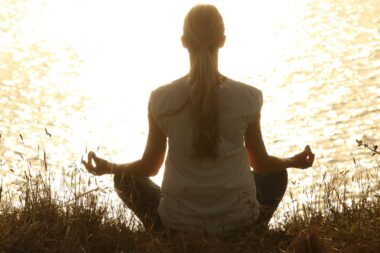
Meditation plays a pivotal role in Jnana Yoga, acting as a bridge between intellectual understanding and experiential realization. Through meditation, practitioners can quieten their restless minds and focus their attention on profound inquiries about existence. By entering a state of deep concentration, individuals can access insights that lie beyond verbal reasoning and ordinary thought processes. This practice enhances one’s ability to discern subtle truths about life. Regular meditation cultivates a sense of inner stillness, which is crucial for discerning the true self from the myriad distractions of the mind. One popular meditation method involves the practice of *Mantra*, repeating a sacred sound or phrase that corresponds to the concepts being studied. This repetition aids in aligning the mind toward higher consciousness. Furthermore, the contemplative reflection on philosophical ideas or questions significantly benefits the meditation process. Meditators might use questions derived from their studies as focal points. Over time, this dual practice of meditation and study of texts leads to direct experience of the knowledge being contemplated. It transforms intellectual insights into powerful realizations that change one’s perception of self and the universe.
The pursuit of knowledge in Jnana Yoga is heavily rooted in the concept of non-attachment. As practitioners study and contemplate, they learn to engage with ideas yet remain detached from them. This practice of non-attachment fosters a sense of openness and flexibility in one’s thoughts. It prevents the development of dogmas or rigid beliefs, allowing insights to flow freely. Alongside this, practitioners acknowledge the distinction between relative knowledge and absolute truth. Relative knowledge consists of worldly information and skills, which are transient and often subject to change. In contrast, absolute truth is unchanging and eternal, pointing toward the fundamental nature of existence. Recognizing this distinction is key in Jnana Yoga, highlighting the importance of inner wisdom over external validation. As practitioners progress on their journey, they gradually shift their perspective from identifying with the mind’s thoughts to experiencing the essence of being. This shift ultimately leads to liberation, revealing the interconnected nature of all beings. The knowledge gained through this path is profoundly transformative, empowering individuals to live authentically and harmoniously.
Practical Steps in Jnana Yoga
Engaging with the principles of Jnana Yoga involves practical steps that guide practitioners along their journey. Firstly, a sincere intention to seek knowledge is essential. Setting an intention fosters commitment, focusing the mind on uncovering truth. Studying sacred texts serves as the second step to developing an intellectual framework. This study is best approached with an open mind, allowing concepts to resonate and integrate into personal beliefs. Following this, regular meditation practice enhances comprehension. Meditation can begin with simple breath awareness, progressively evolving into deeper contemplative exercises. Each session should encourage inquiry; questions inspired by study become focal points. Another crucial practice is nurturing the practice of self-inquiry daily. This may involve journaling reflections, pondering inquiries, or discussing ideas with trusted companions. Engagement with a community or study group positively affects progress too, providing shared insights and support. Lastly, embracing life experiences as opportunities for learning complements this path. Each situation presents lessons that can foster deeper understanding. By integrating these steps, practitioners cultivate an enriching practice that transcends mere intellectual pursuit, leading to priceless realizations and personal growth.
In conclusion, Jnana Yoga serves as a transformative path that guides individuals toward profound wisdom and knowledge. It weaves together intellectual inquiry, sacred text study, and meditation into a cohesive practice. Through dedication, practitioners transcend conventional understanding and unravel deeper truths about existence. This path illuminates the nature of ignorance, revealing how misconceptions cloud perception. As individuals progress, they embody the knowledge and wisdom gleaned from their reflections and studies. Importantly, Jnana Yoga emphasizes that knowledge is not merely academic; it is a lived experience. This encourages practitioners to embody the truths they discover, applying insights to daily life. The journey can be challenging yet rewarding, as realizations often emerge unexpectedly, shifting perspectives dramatically. Those walking this path develop discernment, finding clarity in a world filled with distractions. By championing the pursuit of knowledge, Jnana Yoga fosters a culture of understanding, compassion, and authenticity. Through this approach, the ultimate goal is spiritual liberation, leading to the experience of oneness with all. Continuous practice allows individuals to navigate life’s complexities, cultivating wisdom that enhances the human experience.
Final Thoughts on Jnana Yoga
To truly appreciate the depths of Jnana Yoga, one must recognize its relevance in today’s world. The emphasis on knowledge and wisdom stands as a counterbalance to the chaos surrounding contemporary existence. Many people seek meaning and understanding amidst information overload, making the path of Jnana Yoga invaluable. It encourages individuals to engage thoughtfully. In an age riddled with distractions, self-inquiry and reflection are vital tools for personal development and peace. Furthermore, the adaptability of Jnana Yoga makes it accessible to all. Anyone can embark on this journey, regardless of their background or experiences. By emphasizing inquiry, study, and meditation, it appeals not only to those inclined toward spirituality but also to anyone seeking a deeper understanding of themselves. Therefore, embracing this practice invites profound transformation, enriching life profoundly. Ultimately, Jnana Yoga serves as a guiding light on the path to self-discovery. Its teachings resonate deeply, encouraging seekers to delve into the essence of existence and cultivate wisdom that transcends the self. In this way, it becomes a lifelong journey of learning, growing, and awakening.