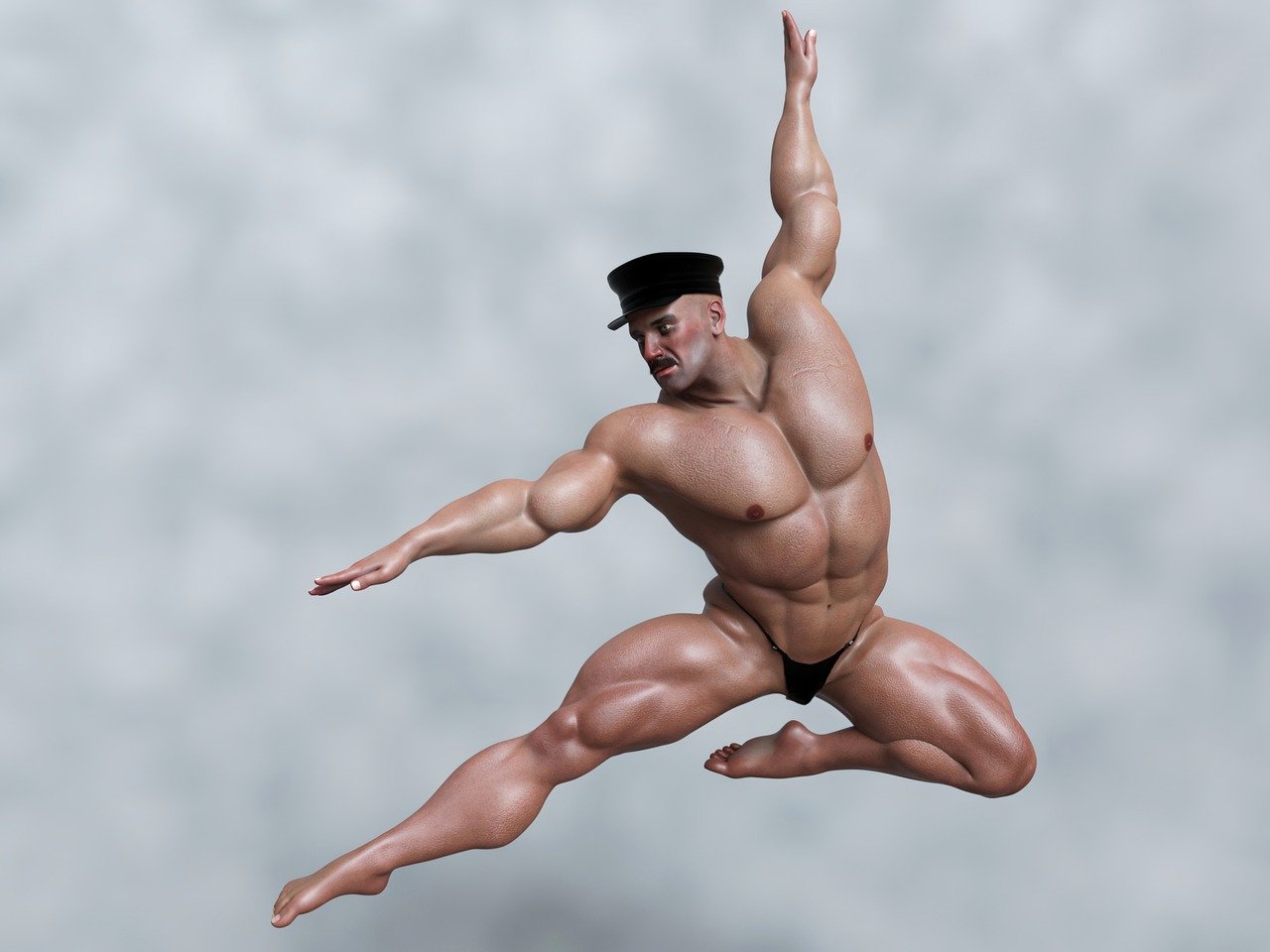

Using Progress Photos to Identify Weak Points in Your Physique
Progress photos are an essential tool for bodybuilders looking to refine their physique. When regularly capturing images of yourself, it helps to get a clearer picture of how your body changes over time. These photos are invaluable for tracking improvements and detecting any weak points in your overall composition. Ensure that you take these pictures in consistent lighting and poses for the most accurate comparisons. A contrasting background highlights muscle definition. With these images, you can pinpoint areas where growth is lacking, such as certain muscle groups or overall symmetry. Moreover, observing these images can boost motivation. Improvement is often slow, making it tough to stay committed. When you witness tangible progress, however, it reinforces your dedication. Keep in mind the importance of frequency; taking photos every few weeks provides a better perspective than sporadic captures. It’s also helpful to maintain the same time of day when taking pictures, ensuring that hydration levels don’t skew the results. Overall, progress photos should be a staple in your bodybuilding journey, guiding you to sculpt a more balanced, aesthetic physique.
Besides their motivational aspect, progress photos serve as an analytical tool for bodybuilding athletes. They allow you to identify specific muscle weaknesses that need attention, guiding your training emphasis. For example, if your hamstrings appear underdeveloped, you can adjust your workout routine to target that area more effectively. Bodybuilders often focus on symmetry and proportion, and these photos help tremendously in visualizing both. To maintain objectivity, consider asking for a second opinion from fellow gym-goers or coaches. They may provide insights that you’ve overlooked. When reviewing photos, look for details like muscle striations or fullness. They can indicate not only current condition but also goals for the future. It’s important to keep an open mind during this process as initial assessments may feel subjective. Follow up on changes in your workout plan based on these observations. Incorporate exercises concentrated on weak points, and use photos to track progress following these updates. Over time, as weaknesses are addressed, your overall look will improve. Remember, progress takes time and consistent effort. Every weak point captured must be treated as an opportunity for growth.
The Role of Lighting in Progress Photos
Lighting significantly impacts progress photos, influencing how your physique appears. It is crucial to take your photos in consistent lighting conditions to minimize discrepancies and achieve clarity in your results. Ideally, natural light works best; it gives a more authentic representation of your body. Bear in mind that different lighting sources can create shadows, accentuating or hiding areas of muscle definition. If you prefer indoor sessions, utilize bright, evenly distributed lights to illuminate your physique clearly. Harsh lighting might exaggerate imperfections; therefore, aim for softer lighting angles to provide a more balanced view. Experimenting with light placements can also enhance specific muscle groups you wish to emphasize. Make sure to avoid backlighting, as it may obscure your details. When choosing a location for your shoots, think about how the light interacts with your skin tone and muscle definition. Use white or light-colored walls as a backdrop for better reflection. Lastly, consistency in your shooting angles complements the lighting. What you observe in poorly lit photos might mislead you regarding actual gains or losses. With proper lighting, your images become accurate documents of your physique evolution.
Recording your progress through pictures is essential, but where you take them matters too. For optimal results, select a specific spot in your home or gym for your progress pictures. Familiarity with the scenery helps evaluate your physique accurately over time. Background consistency provides a visual cue that makes comparison more straightforward. Additionally, ensure that it is well-lit and that your surroundings are clutter-free, allowing your physique to be the central focus. Background distractions can detract from the primary goal of the photograph, which is to highlight your muscle development. Moreover, consider using techniques that capture a full-body view; this will allow you to assess proportions efficiently. Taking photos from multiple angles—front, side, and back—is necessary for a comprehensive view. You can even create a dedicated photo diary to document this development journey properly. Organize your snaps over time, creating a chronological view. This method not only allows you to track evolution but serves as an excellent motivational tool. When times get tough in your training, flipping through these photos serves as a reminder of how far you’ve come.
Utilizing Feedback for Improvement
Getting feedback from professionals or peers when reviewing your progress photos is invaluable. While self-assessment is essential, expert opinions can help you identify blind spots. Consider documenting your physique changes on social media or bodybuilding forums, making sure to ask for constructive criticism. Fellow bodybuilders may share their experiences and offer advice for improvement. Additionally, consult your trainer when analyzing your images; their structured approach is invaluable for providing tailored feedback. If you reevaluate your form or technique after receiving constructive criticism, implement newfound knowledge in your upcoming workouts. It’s not uncommon to have areas of improvement you may miss. By seeking varied perspectives, your understanding of what needs enhancement deepens. Use the input received to review your training program strategically. For instance, if comments indicate a lack in size on your arms, program additional arm workouts. This proactive approach will ensure that the same areas do not continue to lag. Lastly, always remember that everyone’s journey is unique. Use feedback to complement your path rather than discourage you, thereby enhancing your progress efficiently towards your goals.
Data collection is essential when using progress photos, but it should be systematic for clarity and effectiveness. As a bodybuilder, developing a routine for capturing your images will streamline this process. Schedule a specific day and time each week or month to take your photos. Just as important as taking the photos is maintaining a record of these images, creating a timeline of your physical progress over time. Organizing your photos allows you to revisit earlier images and appreciate how far you have come. Consider using apps or software designed for body tracking to effectively store and analyze your progress. Some applications even offer options for adding notes, ensuring that you remember the workouts or diet specifics related to each photo session. This level of detail can be enormously helpful in understanding how different approaches impact your physique. Systematic tracking permits a more analytical view of your journey, offering vital insights into what works best for you. Use these observations to adapt your training and nutritional strategies to continue capitalizing on areas of improvement.
Balancing Weak Points and Strengths
Identifying weak points in your physique through progress photos is just one side of the equation. It is equally crucial to recognize and appreciate your strengths. Understanding what you excel in allows for a balanced approach to bodybuilding. If your legs exhibit more mass than your upper body, focus on that while also slightly emphasizing your arms and shoulders through targeted workouts. Striving for balance creates a more aesthetically pleasing appearance overall. Therefore, when evaluating progress, look at these strengths through the lens of overall symmetry. Confidence in your positive attributes will inspire motivation during workouts aimed at improvement. One recommended strategy is to plan workouts that enhance both weak points while maintaining the strengths. Design supersets or complementary exercises targeting different muscle groups in the same session. This way, you can ensure continual development while honoring your physical strengths. Most importantly, celebrate the achievements, regardless of size. Appreciating both areas of development keeps you motivated and engaged. Keep your workout approach fluid, adjusting as necessary while preserving a balanced physique for better competitive outcomes.
In closing, using progress photos is a powerful strategy for bodybuilders looking to elevate their game. Visual records not only help in gauging physical transformation but provide much-needed motivation during challenging times. They allow the athletes to pinpoint muscular imbalances, which can be rectified efficiently through informed training strategies. By capturing photos consistently, analyzing lighting and background, and seeking feedback from others, you can create a strong foundation for achieving your aspirations. Make sure to also document your journey effectively; well-organized photo records ensure you witness tangible improvement over time. Factor in both weak points and strengths while developing your training regime, allowing for a well-rounded physique that performs optimally. Lastly, embrace the gradual nature of growth, celebrating even the smallest achievements along the way. Your consistent effort, combined with systematic assessment, will undoubtedly lead you closer to your bodybuilding goals. Keep pushing forward, and always remember that each click of the camera serves as a snapshot of your dedication and commitment to excellence.