
Benefits of Heart Rate Tracking for Weight Management in Older Adults
Heart rate monitoring has emerged as an essential tool in the fitness journey of older adults. Understanding how your heart rate responds to different exercises can significantly enhance your weight management strategy. As people age, maintaining a healthy weight becomes increasingly important due to a variety of health concerns. Incorporating heart rate monitoring allows older adults to tailor their workouts effectively and sustainably. By tracking heart rate, individuals can gain insights into their fitness level and work towards improving it steadily. This helps in identifying the right intensity of exercise that fits their capabilities and health status. Moreover, monitoring heart rate enables seniors to engage in safe physical activity without overexerting themselves. When heart rates are consistently recorded, it becomes easier to adjust fitness routines based on daily performance. This approach fosters both discipline and motivation, as seniors can visualize their progress over time. Consequently, older adults who actively track their heart rates can work towards maintaining their weight and enhancing their overall quality of life. Such practices are vital for promoting longevity and vitality among older adults.
In addition to supporting weight management, heart rate tracking assists in preventing health issues commonly faced by seniors. By engaging in monitored exercise, older adults can lower the risk of cardiovascular diseases, diabetes, and obesity. The data collected from heart rate monitors not only guides physical activity but also encourages mindful living. Recognizing how the heart rate corresponds to various intensities can empower seniors to stay motivated while exercising. This could lead to improved cardiovascular health and help maintain a healthy weight. Regular physical exercise with insightful heart rate monitoring can yield multiple benefits like improved mood and enhanced mobility. Furthermore, older adults can establish safer exercise regimens by understanding their target heart rates. These tailored workouts can reduce the likelihood of injuries or overexertion. For those starting out, professional guidance is often recommended. Fitness programs designed specifically for seniors that include heart rate tracking make it easier to adhere to workout plans. In turn, consistency in physical activity supports healthier life choices and a robust lifestyle among older adults. All these factors contribute to a more satisfying and healthier aging experience.
Enhancing Motivation through Goal Setting
Incorporating heart rate monitoring into daily routines encourages older adults to set achievable fitness goals. With the aid of technology, it becomes easier to track not just the heart rate, but also the trends and patterns that emerge. This kind of data is invaluable as it provides clear objectives that individuals can strive to meet. For instance, seeing the gradual improvement in heart rate recovery after exercises can boost self-esteem and drive. It helps older adults to push past their comfort zones and strive for greater fitness milestones. By using heart rate targets, individuals can adopt an engaging approach to exercise that feels rewarding. Tracking progress not only highlights successes but also helps in recognizing areas that require improvement. This constant feedback loop is vital for sustained motivation. It transforms workouts from mundane tasks into meaningful activities enriched with personal data insights. Additionally, older adults may experience a sense of community by sharing their achievements with peers involved in similar fitness journeys. Encouragement from fellow seniors can foster friendships and create a sense of accountability, resulting in a more enjoyable fitness experience.
Moreover, heart rate tracking fosters a deep understanding of the body’s unique responses to both exercise and rest. In older adults, the potential for inaccuracies in physical responses increases, making heart rate monitoring even more crucial. Recognizing when to push harder and when to take a step back can prevent injuries and undue stress. This awareness is key in optimizing workout intensity and duration, ensuring that one’s training remains effective while minimizing risks. Additionally, seniors can learn to differentiate between normal fatigue and signs of overexertion. This knowledge can help in making informed decisions about when to seek medical advice. Using heart rate data, individuals can report specific patterns to healthcare providers, aiding in individualized medical assessments and recommendations. For example, understanding one’s heart rate during aerobic versus resistance exercises can guide both fitness and healthcare professionals in creating balanced programs tailored to individual needs. By aligning exercise routines with heart health, older adults can make informed choices that truly benefit their well-being.
Technology Adoption for Seniors
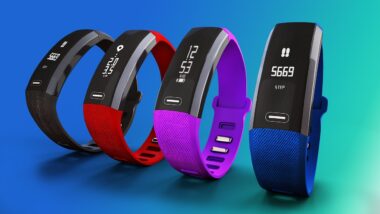
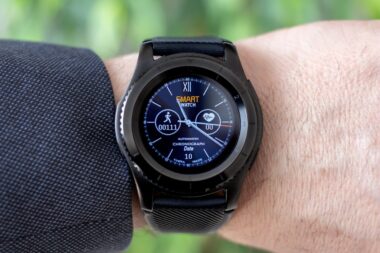
The rising trend of wearable fitness technology is beneficial for older adults seeking to enhance their physical fitness. Devices such as smartwatches and heart rate monitors come packed with features aimed at simplifying health management. These devices provide seniors with real-time data that can be easily monitored and accessed. The technology is designed to be user-friendly, allowing non-tech-savvy individuals to adapt smoothly. Many devices even come equipped with alerts, vibrations, or notifications to signal optimal exercise times and rest periods. This immediacy encourages older adults to engage in physical activity rather than remain sedentary. Furthermore, wearable devices often include additional functionalities, such as step counting and sleep monitoring. These features add layers of insight to overall health management, promoting holistic wellness. Understanding how sleep impacts exercise performance and recovery times can lead to better lifestyle choices. With continued use, seniors become more educated about their health, ultimately empowering them to take necessary actions towards weight management. When combined with heart rate data, these devices can play a pivotal role in shaping healthier aging strategies.
To foster long-term success with heart rate monitoring, it is essential for older adults to develop a supportive environment that encourages regular exercise. Having a workout buddy or joining group classes can increase motivation levels and foster social connections. Such environments often lead to shared experiences that make exercising more enjoyable. Incorporating structured exercise sessions that involve heart rate tracking can create community-based support systems. Additionally, family involvement can enhance accountability for older adults in maintaining their fitness goals. When loved ones participate in activities together, it strengthens relationships while promoting healthy habits. Moreover, continuous education on the importance of heart rate tracking can deepen understanding and commitment to fitness routines. Workshops or community seminars can empower seniors with knowledge about their health. Local organizations often provide resources or assistance in setting up heart rate monitoring systems. These initiatives are instrumental in breaking down barriers to entry for older adults new to exercise. Overall, actively fostering a supportive community enables older adults to embrace heart rate monitoring as part of their everyday lives.
Conclusion: Building a Healthier Future
In conclusion, heart rate tracking offers a multitude of benefits for weight management in older adults. The integration of monitoring into workout routines empowers seniors with knowledge about their physical health. This leads to safe, effective exercise routines tailored precisely to fit their needs. Understanding how exercise intensity affects the heart can boost overall fitness levels while managing weight. This practice not only enhances physical well-being but also contributes to emotional and mental health through increased confidence and satisfaction. Moreover, the technological advancements in fitness devices have made this monitoring accessible and approachable for all seniors. With support from family, peers, and community resources, older adults can embrace these practices for healthier living. Ultimately, heart rate tracking allows seniors to age gracefully while maintaining an active lifestyle. Adequate heart rate information contributes to informed decision-making about fitness and overall health. In a society that increasingly values health and longevity, this approach represents a step toward achieving a healthier future for older adults.
The benefits of incorporating heart rate tracking into a fitness plan for older adults are undeniable. It not only enables personalized training but also fosters a sense of community and engagement. With the right tools and knowledge, seniors can optimize their exercise regimes, manage weight, and enhance their quality of life. By intertwining technology with fitness, we can create an environment that elevates awareness and promotes health in the senior population.