
Balance and Coordination Exercises for Office Workers
In today’s fast-paced and sedentary office environment, maintaining balance and coordination are essential. Poor posture and lack of physical movement can lead to various health issues over time. Employees often find themselves sitting for long hours, which contributes to muscle stiffness and reduced coordination skills. Integrating effective exercises into your daily routine can improve these skills significantly. Simple balance exercises can not only alleviate discomfort but also enhance productivity and reduce stress. To get started, you can incorporate daily stretches or short breaks for quick activities. A few minutes of movement can drastically change how you feel at work. Some of the best exercises for coordination are those that involve multi-tasking or rhythm-based movements. Using a stability ball or standing on one leg during a quick phone call can help develop your core strength as well. Moreover, practicing simple yoga poses can enhance your balance, making them ideal for office settings. Regular assessments of your coordination skills can also help track improvement over time. Consider implementing an evaluation routine weekly to measure your progress.
Simple Coordination Drills
To further enhance your coordination skills, you can practice simple drills that target both balance and proprioception. One popular drill is the “single-leg stand”, where you focus on balancing on one leg for twenty seconds at a time. Engaging opposing arm movements while balancing can introduce an additional challenge. Another effective exercise is the “heel-to-toe walk”; this involves walking in a straight line, placing one foot directly in front of the other. You can practice this drill along a hallway or open office space, focusing on maintaining a straight posture throughout the movement. Remember to switch directions after several rounds to build overall proprioceptive awareness. Another excellent drill involves tossing a ball against a wall. This activity improves hand-eye coordination significantly. Try using different-sized balls to further enhance the workout’s impact on your skills. Additionally, consider doing shadowboxing or dance steps, which are fun ways to improve coordination while getting your heart rate up. You can have a colleague join you, making it a light-hearted office break. This group element fosters a supportive environment promoting fitness.
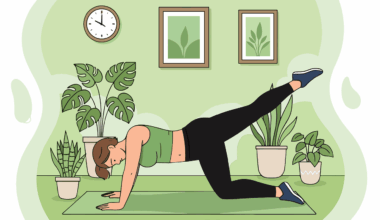
A proper fitness routine must also focus on core strengthening, which is crucial for effective balance. Exercises such as planks and side planks can significantly enhance your overall stability whether seated or standing. For the plank, maintaining a straight back and engaged abdominal muscles is vital throughout the exercise. Side planks focus on enhancing the lateral stability of your core. These exercises can be easily integrated into your work breaks or performed at home, making them accessible. You can even try integrating them into your daily video meetings! Consider discussing the importance of these exercises with your colleagues to develop a more supportive and health-conscious environment. Wrapping up your week with a core workout session can help relieve tension built up during your office days. You might even want to create an informal fitness group that meets for these exercises outside of work. Building a culture of fitness fosters a supportive community focused on overall wellness, productivity, and improved physical health for everyone involved. The benefits of having stronger core stability cannot be overstated, as they play a key role in developing coordination.
Incorporating Movement into Your Day
Beyond dedicated exercise time, finding ways to incorporate movement into your everyday office tasks is crucial. Desk exercises, or stretches performed while seated or standing, can help ease tension and promote better circulation. Implementing stretches for your neck and shoulders can be performed every hour to break up long periods of inactivity. An easy stretch is the “upper back stretch”, which improves mobility and posture. Be intentional with your movements, aiming for at least one brief movement break every hour. Small actions such as walking instead of emailing a colleague can promote better blood flow and flexibility. Additionally, using a standing desk can encourage lighter foot movements throughout the day. Standing while answering phone calls or pacing across the room now and then can vastly improve your overall coordination. Remember to include specific movements that enhance your physicality, such as leg lifts or body twists. You can integrate these small activities into a fun group challenge to make your workday engaging and physically active. Habits made today will shape better tomorrow, enhancing your overall well-being.
To assess your coordination skills more effectively, consider implementing periodic tests that can gauge your improvements. You can keep track of your progress through simple tasks such as performing consecutive balance exercises or timed coordination tasks. For instance, using a balance board or performing a series of yoga poses can serve as great benchmarks. Set aside time each week or month to evaluate these assessments and note improvements or challenges. Furthermore, consider using fitness apps that allow you to track these exercises digitally. Sharing your findings with co-workers and friends can also motivate you. Engaging a partner can introduce a friendly challenge while providing support along the way. Regular assessments not only help you celebrate your achievements but also set new goals. Setting clear and achievable goals for your coordination practice is essential as it offers direction and purpose. Aim for gradual improvement to avoid frustration, as mastery comes with consistent practice. Taking time to reflect on your struggles and strengths will help refine your skills over time while enhancing cooperation in a teamwork environment.
Conclusion and Commitment
In conclusion, prioritizing balance and coordination exercises as an office worker has never been more vital. The sedentary nature of the office environment requires deliberate actions towards bodily awareness. No effort is too small when it comes to promoting your physical health. Begin your journey today with commitment by incorporating these exercises into your routine. Developing consistent habits will yield incredible benefits over time, though positive changes won’t happen overnight. Remember, small but consistent changes lead to growth in skills and overall well-being. Encourage your colleagues to join you in these activities to build camaraderie and promote an active workplace. Research has shown that an active workforce tends to be more productive and creative. Regular participation in these exercises can lead to improvements in coordination, energy levels, and job satisfaction. Ultimately, creating a culture of movement will ensure that employees are better equipped to handle their daily responsibilities. As you prioritize your body, your mind will also reap the benefits, resulting in a healthier workplace. Together, let’s move towards a more balanced and coordinated future!
In the end, the health benefits derived from improved balance and coordination cannot be overstated. Every small step taken towards fitness contributes to long-term well-being and enhances daily functionality. Embrace a new mindset focusing on health as equally important to job performance. Ensure that basic movement precedes action throughout your workday. Office exercises should never feel like a burden; view them as vital components of a productive day. The goal is to create lasting change in both your personal and professional life. Be determined to stay on top of your well-being, and encourage others to join you on this journey. To sustain focus, practice these exercises regularly and review progress collectively. Create rewarding milestones that commend improvements, driving teamwork in achieving these goals. These actionable steps will ultimately lead to richer experiences both in and out of the workplace. Remember to be patient with your progress, as developing balance and coordination takes time. Get started today, and you may be pleasantly surprised by how much your results improve. Coordination affects every aspect of our lives, enhancing overall skills, creativity, and vitality.
Employ these newfound skills not only in the office setting but also integrate them into your personal life. Incorporating balance and coordination into your free time can create even more opportunities for growth. Try new classes such as dance, martial arts, or Pilates which can serve as effective avenues to enhance those skills while keeping you engaged. Seek outdoor activities such as hiking or biking that lead to natural coordination improvements along with enjoyment. Varied environments can help fine-tune your body’s response, assisting in achieving better balance overall. Being outdoors often translates seamlessly to better mental well-being as well and further strengthens coordination through engagement of various muscle groups. As you implement these practices in other areas of your life, you’ll find that it positively influences your office productivity. The more routines enhance movement, the more equipped you become for the daily rigors of work. Remember balance is not just physical but mental too; it directly affects emotions and stress levels. As you develop a holistic approach to balance, you can enjoy the benefits in an all-encompassing manner. Embrace the journey, and you’ll honor your commitment to maintaining a balanced life.