
Wearable Devices and Apps for Interval Training and Heart Rate Zones
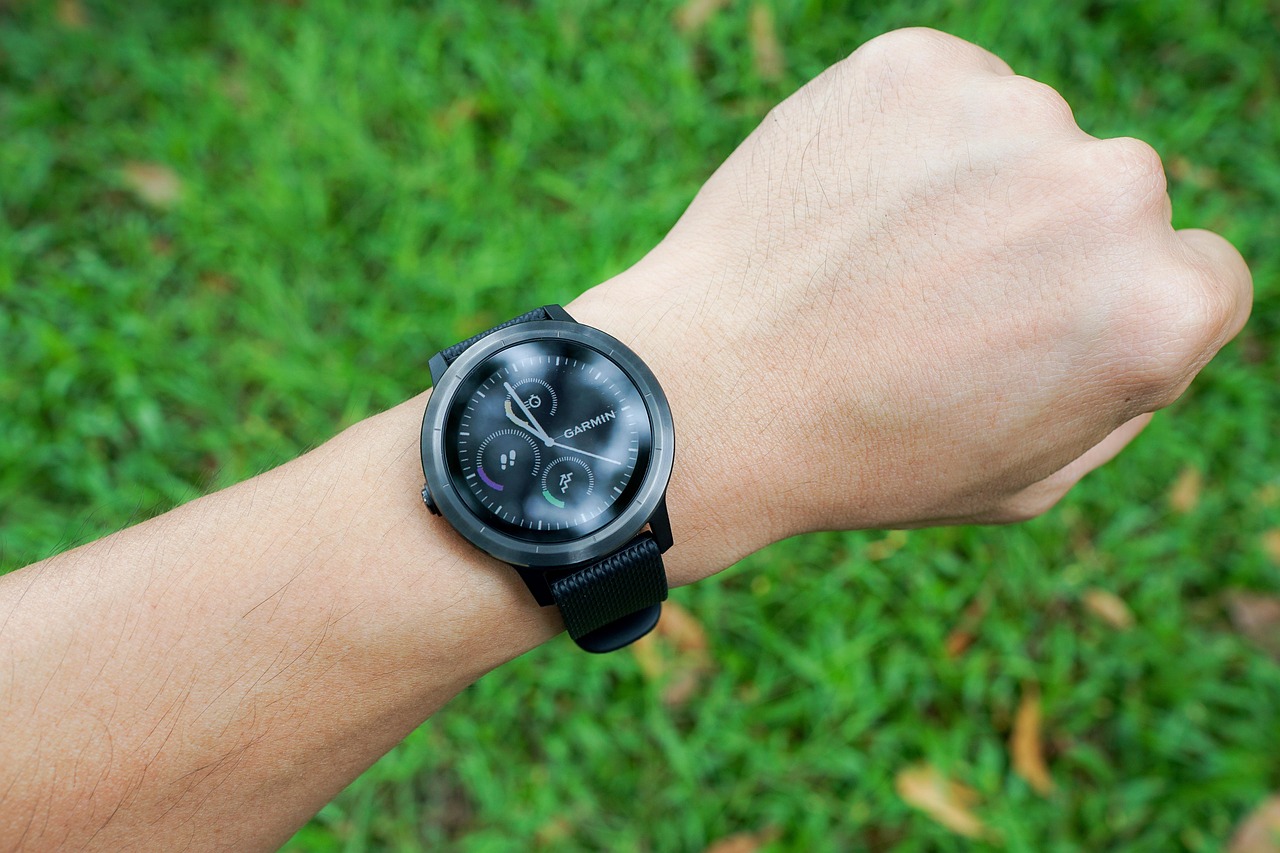
Interval training has gained immense popularity among fitness enthusiasts, and wearable devices are playing a crucial role in its effectiveness. With features specifically designed for tracking heart rate zones, these devices offer users the ability to optimize their workouts. By monitoring heart rate, individuals can push their limits safely while ensuring an efficient training regimen. Devices like smartwatches and fitness bands come equipped with heart rate sensors that provide real-time data, allowing users to make informed decisions during their sessions. Popular brands such as Garmin, Fitbit, and Apple have made significant advancements in this space, empowering users to reach their fitness goals. Tracking heart rates through intervals can enhance performance, improve metabolism, and foster endurance. Consistency in workouts is essential for progress, and wearable devices help in following structured training programs that incorporate rest and active intervals. Users can benefit from features like interval timers and workout plans. Moreover, many apps connected to these devices offer personalized insights and feedback, making it easier to stay on track with fitness objectives.
In today’s fast-paced world, time-efficient training methods are in high demand. Wearable devices facilitate interval training by offering varied and adaptive workouts suitable for different fitness levels. With customizable interval durations, users can tailor their sessions to match their specific abilities and goals. This flexibility is a game changer, especially for beginners who wish to ease into rigorous workouts. As a result, they’re less likely to feel overwhelmed or discouraged. The functionality of these devices extends beyond mere heart rate tracking, as they often include GPS tracking, which is valuable for outdoor workouts. Users can map their routes and understand how different terrains impact their training. Additionally, built-in coaching features provide audio cues, guiding users through transitions between high and low intensities. This real-time feedback is critical in ensuring proper pacing during workouts. A well-designed training program is vital for achieving desired results. Many popular fitness apps also sync with wearable devices, consolidating data to track progress over time, and fostering motivation to keep pushing toward fitness aspirations.
Choosing the Right Wearable Device
Choosing the right wearable device is essential for maximizing the benefits of interval training. Users should consider several factors when selecting their ideal gadget. First, heart rate accuracy is crucial; therefore, opt for devices with high-quality sensors. Additionally, battery life should not be overlooked, as longer-lasting battery ensures workouts can be tracked without constant recharging. Moreover, the user interface should be intuitive, allowing for easy navigation between features, especially during workouts. Brands such as Polar and Suunto are well-regarded for their precision in heart rate monitoring. This ensures users can rely on the data provided for effective training. Furthermore, compatibility with smartphones is important, as this enhances functionality with dedicated apps. Features like water resistance, comfort, and design also play an integral role in user experience. Think about whether the device suits your style for daily wear, as some individuals prefer sleek designs over bulkier options. Finally, a budget is also significant; however, investing in a quality device can pay dividends in terms of meeting fitness objectives and enhancing overall wellness.
Apps designed for interval training represent another essential aspect of this fitness landscape. Many wearable devices function optimally when paired with compatible applications. These applications usually allow users to create personalized interval workouts based on their specific goals, such as improving sprinting speed or building endurance for longer runs. Fitness apps like Zwift, Nike Run Club, and Strava provide extensive features for tracking heart rates across various zones, making them ideal companions for interval training. The ability to export workout data adds significant value, as users can assess their performance through comprehensive analytics post-workout. Furthermore, many apps support social sharing features, allowing users to engage with friends or family as they progress through their training. This adds an element of accountability and community support. Some applications even provide instructional videos that guide users on interval training techniques, which can be invaluable for individuals new to this style of workout. Integration of music playlists tailored for interval training is another motivating factor, enabling users to maintain the intensity throughout their sessions.
Tracking and Analyzing Performance
With interval training primarily aiming to enhance overall performance, tracking and analyzing data gathered during workouts is vital. Wearable devices allow users to monitor key metrics such as average heart rate, time spent in each heart rate zone, and calories burned. By examining these statistics, individuals can identify patterns and adjust their training accordingly. For example, if a user consistently performs better in one particular heart rate zone, they can focus on enhancing that aspect of their fitness. Additionally, wearable devices often provide historical data comparisons, which can motivate users to push beyond previous performance benchmarks. Some devices even offer challenges that further encourage engagement and competitiveness. Utilizing these insights helps users craft balanced training schedules that integrate adequate recovery periods, thereby reducing injury risks and promoting long-term success. Furthermore, sharing performance data on social platforms can create a sense of camaraderie, prompting others to join or motivate one another. Thus, leveraging technology to assess results enhances the quality and effectiveness of interval training for all fitness levels.
The integration of technology in interval training continues to evolve, with innovations consistently enhancing users’ experiences. For instance, emerging wearables focus on providing additional metrics such as VO2 max, which gauges aerobic fitness. Understanding this metric helps users optimize heart rate zones and tailor their training plans, leading to improved cardiovascular performance over time. Some newer apps are also incorporating AI-driven analytics, offering users personalized recommendations based on their training history. Such advancements lead to even more efficient and focused sessions, ensuring users can achieve their desired outcomes seamlessly. Also, integration of recovery metrics helps users understand when to push harder and when to rest. These factors maintain a balanced approach to fitness, preserving overall well-being. The future of wearable devices and apps holds promise for continued transformation in how people approach interval training. Devices may soon incorporate new biometric sensors, further enhancing tracking capabilities. As features develop, adaptability and accuracy in assessing fitness levels will significantly improve, allowing users to elevate their training experiences and promote consistent progress in their athletic journeys.
Conclusion: The Future of Interval Training
In conclusion, wearable devices and apps are transforming the realm of interval training. Their ability to monitor heart rates in real-time and provide detailed feedback has revolutionized fitness methodology. As technology advances, users can expect even more sophisticated features, enabling greater personalization in workout planning. The interactivity and motivation provided by these devices create an avenue for achieving fitness goals with enhanced easiness and enjoyment. Users can expect developments that refine features including adaptive coaching, advanced analytics, and seamless integrations with other health metrics. Interval training’s efficiency, made accessible through innovative devices, encourages individuals to pursue their fitness aspirations actively. This marriage of technology and fitness fosters healthier lifestyles, providing diverse pathways for self-improvement. As we move forward, the potential for wearable technologies to aid important training methods like interval training will only grow. Therefore, whether you are a beginner or an experienced athlete, the right devices and apps can have a significant impact on your journey. Awareness of this merging landscape will prove invaluable, paving the way for transformative improvements in cardiovascular fitness and overall health. Embrace the change and leverage the advancements for optimal performance!
How to Get Started Today
If you’re eager to jump into the world of interval training, begin by researching wearable devices that fit your needs. Determine what features align most with your goals, whether it’s heart rate monitoring, GPS tracking, or a user-friendly app interface. Explore various apps that complement your chosen wearable and read reviews to understand how they boost training efficiency. Don’t hesitate to join online communities where experiences, tips, and challenges are shared. This can provide additional insights and motivation as you embark on your fitness journey. Create a structured interval training plan that incorporates different workouts and pacing strategies. Set realistic benchmarks for yourself based on your current abilities and gradually challenge yourself to improve. Regularly track your progress using your device’s analytics options, adjusting your workouts to ensure continuous improvement. Building a routine that includes interval training will not only enhance your fitness but also instill a sense of accomplishment as you see measurable progress. Embrace the motivation provided by the community and technology, and you will be on the right path to achieving your fitness goals in no time. Start today to experience the transformative effects of well-planned interval training!