
Effective Techniques to Increase Joint Flexibility
Joint flexibility plays an essential role in overall mobility and physical health. It facilitates smooth movement between bones, enhancing our ability to perform daily activities efficiently. Various factors can limit flexibility, such as age, inactivity, and injury. Consequently, understanding effective techniques to improve joint flexibility is crucial for maintaining an active lifestyle. Incorporating these methods helps to increase range of motion and reduce the risk of injury. In addition to physical therapy, various exercises can stimulate joint flexibility. Special attention to warm-up and cool-down routines is vital for optimal results. By integrating flexibility exercises into your daily regimen, you can enhance your physical performance and overall well-being. This article will explore various techniques and methodologies that can significantly improve joint flexibility. We aim to equip you with valuable knowledge, helping you to promote movement and prevent injuries as part of a healthy lifestyle. In summary, if you want to increase flexibility, assess your current habits and initiate incremental changes through targeted exercises tailored to your individual needs.
Static stretching is a widely recognized technique for enhancing joint flexibility and involves holding a stretch for a specific duration. This method allows targeted muscles surrounding the joint to elongate slowly, promoting flexibility over time. It is crucial to execute static stretches correctly to avoid injuries. A few common static stretches include hamstring stretches, shoulder stretches, and quadriceps stretches. These exercises not only improve flexibility but also relieve muscle tension, aiding recovery after physical activity. It’s best to perform static stretching after a warm-up session, ensuring the body is adequately prepared for the added stress. A consistent routine should incorporate stretches for all major joints and muscle groups, allowing balanced improvement. Additionally, holding each stretch for 15 to 30 seconds is recommended, focusing on proper breathing throughout the process. This not only helps the muscles relax but also reduces tension within the body. Ultimately, making static stretching a regular practice can lead to notable improvements in overall flexibility and mobility when integrated into your fitness regimen.
Dynamic Stretching for Joint Mobility
Dynamic stretching is another valuable technique aimed at enhancing joint flexibility and mobility, distinct from static stretching. Unlike static stretches, dynamic stretching focuses on movement, incorporating functional motions that mimic those performed during physical activities. This approach effectively prepares the joints and muscles for exercise. Dynamic stretches may include leg swings, walking lunges, and arm circles. These exercises improve circulation, boost muscle temperature, and enhance the range of motion. Including dynamic stretching as part of your warm-up routine is particularly beneficial, ensuring your body is ready for any physical challenge it may face. It is recommended to perform dynamic stretches in a controlled manner, maintaining awareness of form and technique. Balancing dynamic stretching with static stretching allows individuals to gain the best of both worlds, optimizing flexibility and overall joint health. Moreover, dynamic stretching can be practiced daily, even outside of formal workouts. Engaging in these movements consistently promotes both immediate benefits and long-term improvements in mobility.
Foam rolling is an innovative technique that aids both muscle recovery and flexibility enhancement. By using a foam roller, individuals can apply pressure to specific muscle groups, releasing tight spots and myofascial release. This process increases blood circulation in the targeted area while reducing muscle knots and tension, promoting flexibility at the same time. It’s essential to roll over each muscle group slowly, spending approximately 30 seconds on each area and using your body weight to apply appropriate pressure. The treatment helps prepare the body for stretching, enhancing overall effectiveness. Additionally, foam rolling can be incorporated into warm-up and cool-down routines, making it a versatile tool for athletes and fitness enthusiasts alike. Evidence suggests that regular foam rolling can lead to noticeable improvements in range of motion and ease of movement. To maximize benefits, combine foam rolling with other flexibility techniques for optimal results. Overall, foam rolling is an effective and easily accessible method to integrate into any fitness routine.
The Importance of Hydration
Hydration plays a crucial role in maintaining joint flexibility and overall physical performance. Water is fundamental in lubricating joints, allowing them to articulate smoothly during movement. Insufficient hydration can lead to joint stiffness, discomfort, and a decrease in flexibility. It’s essential to drink adequate amounts of water, especially during and after exercise, to replenish lost fluids. The general recommendation is to consume about 8-10 cups of water daily, but individual needs may vary depending on activity levels. Including hydrating foods such as fruits and vegetables in your diet enhances overall hydration. Additionally, maintaining electrolyte balance through proper nutrition supports joint health. As dehydration affects muscle performance and recovery, ensuring optimal fluid intake becomes vital, particularly if you engage in intense exercise. Staying proactive about hydration enhances flexibility and contributes to injury prevention. By prioritizing hydration, you will feel more energetic and experience improved flexibility during your workouts or everyday activities. Thus, keep a water bottle handy, and remember that hydration is a simple yet powerful aspect of maintaining joint flexibility.
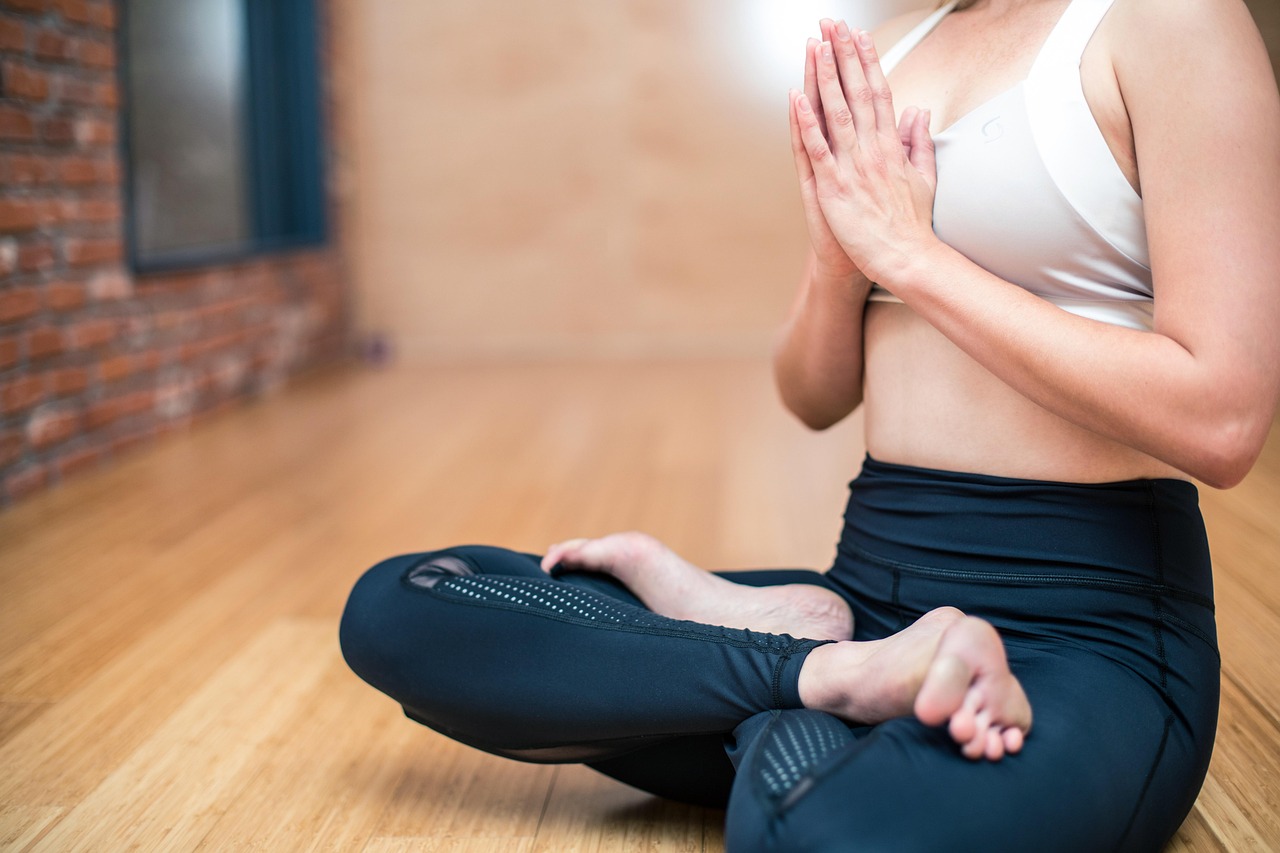
Yoga is a holistic practice incorporating both physical and mental aspects to enhance joint flexibility. The diverse range of poses promotes elongation of muscles, leading to improved flexibility while fostering balance and strength. Specific poses like Downward Dog, Cat-Cow, and Pigeon can target major joints effectively. Practicing yoga regularly not only improves flexibility but also encourages mindfulness and relaxation, beneficial for overall well-being. Newcomers to yoga can start with beginner classes or online resources that provide guidance. Focusing on breathing during each pose enhances benefits, allowing deeper stretches. Consistency is key; aiming to practice at least two to three times weekly leads to noticeable improvements. Yoga caters to individuals of all fitness levels, making it an accessible option for everyone. As you progress, you can incorporate advanced poses, further challenging your flexibility. Ultimately, embracing yoga as part of your routine helps cultivate a deeper connection between mind and body, promoting not only physical flexibility but mental resilience and reduced stress. Therefore, add yoga to your repertoire to unlock its myriad benefits for flexibility and mobility.
Conclusion: Combining Techniques for Optimal Flexibility
Achieving optimal joint flexibility requires a balanced approach, integrating various techniques effectively. Progress will depend on consistency, dedication, and awareness of your body’s individual needs. Combining static and dynamic stretching, foam rolling, hydration, and yoga paves the way for improved flexibility and mobility. Aim to create a comprehensive plan tailored to your lifestyle, frequently assessing your flexibility goals and achievements. Keep in mind that recovery is just as important as the exercises themselves, allowing your muscles to adapt and grow stronger. Listening to your body’s signals will enable you to discover what works best for you. Complementing these practices with proper nutrition can further enhance results. Essential nutrients play a significant role in muscle recovery and overall joint health. Staying informed about various techniques ensures that your flexibility journey remains engaging and effective. By committing to these methods and understanding their interrelationships, you will unlock newfound freedom of movement. Gradually refine your approach and celebrate milestones as you develop greater joint flexibility. Ultimately, the path to improved flexibility is rewarding and contributes positively to your overall health and lifestyle.
Effective Techniques to Increase Joint Flexibility
Joint flexibility plays an essential role in overall mobility and physical health. It facilitates smooth movement between bones, enhancing our ability to perform daily activities efficiently. Various factors can limit flexibility, such as age, inactivity, and injury. Consequently, understanding effective techniques to improve joint flexibility is crucial for maintaining an active lifestyle. Incorporating these methods helps to increase range of motion and reduce the risk of injury. In addition to physical therapy, various exercises can stimulate joint flexibility. Special attention to warm-up and cool-down routines is vital for optimal results. By integrating flexibility exercises into your daily regimen, you can enhance your physical performance and overall well-being. This article will explore various techniques and methodologies that can significantly improve joint flexibility. We aim to equip you with valuable knowledge, helping you to promote movement and prevent injuries as part of a healthy lifestyle. In summary, if you want to increase flexibility, assess your current habits and initiate incremental changes through targeted exercises tailored to your individual needs.