
Pilates Workshops for Stress Relief and Relaxation
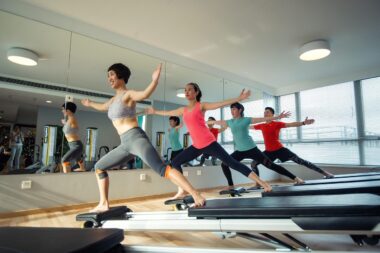
Pilates workshops focusing on stress relief and relaxation offer a comprehensive approach to mental and physical well-being. In these workshops, participants learn various breathing techniques, mindfulness practices, and gentle movements that promote relaxation. By participating in Pilates, individuals can alleviate tension, reduce anxiety, and improve overall mood. Each session typically integrates both physical exercises and mental strategies, enhancing the connection between mind and body. Workshops are often tailored to accommodate all skill levels, making them accessible for beginners and experienced practitioners alike. Participants will engage in a variety of exercises designed to release tight muscles and increase flexibility. Furthermore, skilled instructors provide personalized guidance, ensuring each participant feels supported. Workshops may also feature group discussions to foster community, encouraging individuals to share their experiences with stress and relaxation techniques. Overall, these sessions cultivate a peaceful environment where participants can unwind and rejuvenate. Consistent attendance can lead to significant improvement in stress management over time. So, consider joining a local Pilates workshop focused on relaxation to experience these benefits firsthand, improving both physical health and emotional resilience.
To maximize the benefits of Pilates workshops, it’s essential to understand the importance of environment. The setting plays a crucial role in relaxation, which is why workshop organizers often choose serene venues. Peaceful spaces promote tranquility, allowing attendees to immerse themselves in the experience fully. Yoga studios, gardens, and wellness centers are common choices for hosting these workshops. When participants feel comfortable and relaxed in their surroundings, their ability to focus on the exercises increases. Besides, soothing music and ambient lighting create a nurturing atmosphere, further enhancing the experience. Instructors may also integrate elements like aromatherapy, which utilizes natural scents to evoke calmness. Essential oils such as lavender and chamomile can elevate relaxation and comfort during sessions. These details matter, transforming an ordinary workout into a holistic wellness experience. Participants should also consider arriving early to acclimate to the environment, giving themselves time to unwind. Engaging with fellow attendees before starting the workshop can establish a sense of community and belonging. This social interaction aids in reducing stress levels even before the workshop has officially begun. Ultimately, a well-designed environment is key to facilitating relaxation and mindfulness.
The Role of Breath in Pilates
Breath plays a significant role in Pilates practice, especially in workshops focused on stress relief and relaxation. Through specific breathing exercises, participants learn to synchronize their breath with movement. This not only enhances their physical practice but also promotes a deep sense of calm. Conscious breathing stimulates the parasympathetic nervous system, which counters stress responses. By inhaling deeply, individuals can fill their lungs with oxygen, bringing clarity to their minds while exhaling helps in releasing tension. Instructors often guide attendees through breathwork techniques, emphasizing its importance in movement. Participants are encouraged to focus on inhaling during preparation phases and exhaling during exertion, creating a rhythm. These breathing patterns help direct energy, leading to improved performance throughout the practice. Awareness of breath can also lead to emotional release, allowing participants to process any lingering stress. It encourages mindfulness, enabling individuals to stay present in the moment. Thus, workshops emphasizing breath, in conjunction with Pilates movements, make for a powerful combination in managing stress. By cultivating this vital skill, participants may find themselves better equipped to handle stress outside of the workshop environment.
In a Pilates workshop designed for relaxation, participants can expect to engage in a variety of gentle exercises. These movements, often inspired by traditional Pilates principles, emphasize fluidity and grace. Incorporating stretching and strengthening practices helps target different muscle groups while promoting relaxation. The aim is to reduce muscle tension and improve flexibility, which collectively contributes to a greater sense of ease. Many workshops include sequences that focus on core strength, as a strong core supports overall body stability. This stability is key when performing stress-relieving exercises. Classes often introduce foam rollers or small props to enhance the experience further. These tools aid in muscle release, making it easier to access deeper relaxation. Modifications are typically provided, ensuring everyone can participate safely. The slower pace of these workshops allows participants to listen to their bodies, encouraging a more intuitive approach to movement. Following each session, individuals may feel a heightened sense of physical and emotional relaxation. Consistently attending these workshops allows deeper connections to develop with personal practice and provides a pathway for stress management long after the sessions conclude.
Building a Supportive Community
One of the key benefits of participating in Pilates workshops for stress relief is the sense of community developed among participants. Workshops often bring together individuals seeking similar outcomes, allowing them to bond over shared experiences. Building friendships in this supportive environment can significantly enhance one’s emotional resilience. Group sessions create opportunities for people to discuss common challenges related to stress and relaxation. These conversations foster open communication and understanding, promoting a supportive atmosphere. Additionally, participants often motivate and encourage one another throughout their practice, contributing to a stronger sense of belonging. Attending workshops regularly helps strengthen these bonds, cultivating long-lasting friendships that extend beyond the classroom. This community aspect even encourages accountability; participants are more likely to keep attending workshops when they know others are also invested in their well-being. In time, these relationships can provide invaluable social support that enhances individuals’ journey toward relaxation. Group challenges and buddy systems within workshops can help participants keep track of their progress, making the experience even more rewarding. Ultimately, nurturing connections in these workshops fosters a more fulfilling and enriching journey toward stress relief.
Lastly, it’s important to incorporate self-care practices for stress relief outside of Pilates workshops. While attending sessions provides immediate benefits, complementary habits contribute to lifelong wellness. Participants are encouraged to practice mindfulness beyond the studio, integrating relaxation techniques into their daily routines. Simple activities such as meditation, journaling, or leisurely walks can help reinforce skills learned in workshops. Establishing a routine also promotes discipline, helping individuals maintain their well-being goals. Engaging in these practices allows individuals time to reflect on their emotions and stresses. Furthermore, maintaining physical activity outside of workshops enhances overall fitness levels. Participants should aim for a balanced approach, ensuring both physical and mental health needs are addressed. The tools gained in Pilates workshops can be used to manage stress effectively as life presents various challenges. Those who prioritize self-care by incorporating other practices alongside Pilates will likely notice a more significant improvement in their overall quality of life. As with any wellness journey, consistency and commitment are key factors toward achieving long-term success in managing stress and fostering relaxation through Pilates.
Conclusion
Pilates workshops designed for stress relief and relaxation offer numerous benefits, addressing both physical and mental health. They create supportive environments where individuals can develop community connections while exploring effective relaxation techniques. The integration of breath work, gentle movements, and a focus on mindful practice allows participants to connect deeply with themselves. As they learn to alleviate stress through physical activity, they also build emotional resilience, poised to handle challenges better. By committing to these workshops, individuals can cultivate a more profound sense of well-being. The journey doesn’t end after leaving the workshop; continuous practice and self-care are essential for maintaining the benefits over time. Building friendships and engaging with fellow participants further enriches the experience, fostering accountability and motivation. As individuals share their experiences, they create a network of support that enhances the practice. Transitioning this newfound mindfulness into everyday life is crucial for lasting change. Ultimately, embracing the principles of Pilates in daily routines can lead to a balanced, fulfilling life. Those interested should explore local workshops today, seeking the transformative power of Pilates for stress relief and relaxation.
As a reminder, Pilates workshops can be transformative, offering an effective approach to stress relief. Participants leave feeling rejuvenated, empowered, and better equipped to manage daily life stresses. Joining such workshops can be one of the best decisions made for overall well-being.