
Benefits of Bodyweight Exercises for Children’s Health
Bodyweight exercises offer numerous health benefits for children. These workouts, which rely on body weight instead of equipment, are accessible and enjoyable. Engaging kids in these exercises promotes physical fitness while being fun. Additionally, bodyweight exercises can help improve a child’s overall strength, flexibility, and coordination. These benefits manifest as children become more capable in their physical activities, leading to increased confidence. Furthermore, because no special equipment is necessary, kids can exercise anywhere, from home to parks, promoting active lifestyles. This flexibility encourages children to integrate fitness into their daily routines. Beyond physical health, these exercises can also enhance mental health, as being physically active is known to elevate mood. Kids participating in bodyweight workouts often feel better about themselves and their bodies, reducing anxiety and stress levels. It’s essential to teach children the correct techniques to ensure safety and maximize efficiency. Incorporating fun games with bodyweight exercises turns fitness into a playtime activity, making it engaging and effective. Parents should consider joining in to foster family bonding through these activities, further motivating children to embrace healthy living.
Beyond fitness, participating in bodyweight exercises cultivates important life skills in children. Teamwork is developed as kids often engage in these workouts with peers, enhancing social interaction. Whether it’s forming groups for challenges or encouraging each other during workouts, children learn the value of cooperation. Listing modifications of the workouts allows them to comprehend personal differences in strengths and capabilities. Moreover, they build discipline and self-regulation through goal-setting and tracking progress over time. Committing to a consistent routine helps children recognize the importance of persistence in any endeavor. As they notice improvements in their capabilities, it boosts their intrinsic motivation. This sense of achievement fosters a positive mindset, propelling them toward other ventures, whether academic or athletic. Furthermore, bodyweight exercises can also be an avenue to promote healthy habits. Encouraging children to choose nutritious foods to support their physical activities becomes integral. Simple practices such as stretching and cooling down teach them about body care and resilience. All these experiences contribute to a holistic approach to childhood development, nurturing not just the body but also character and lifestyle choices that last into adolescence.
Moreover, bodyweight exercises can greatly prevent childhood obesity, a rising concern worldwide. With the increasing prevalence of sedentary activities, it is vital for children to engage in regular physical activity. Routine participation in bodyweight exercises can help children burn calories, build muscle, and maintain a healthy weight. By incorporating these workouts into children’s schedules, parents can establish a strong foundation for lifelong healthy habits. Regular exercise conducted during childhood translates into better health as children grow older. Establishing early habits reduces the risk of obesity-related health issues, such as diabetes and heart ailments. Parents have a powerful influence on shaping their children’s perspectives on fitness. Leading by example and making workouts a family activity creates an environment that values health. Affordable bodyweight workouts can be produced through various online platforms offering diverse routines catering to various fitness levels. They provide fantastic resources for children and parents alike, turning sometimes mundane exercise into exciting adventures. Encouraging kids to set realistic fitness goals enables them to view their health as a priority. This proactive approach will impact not just their physical well-being, but their overall outlook on wellness.
Fun and Engaging Workouts
One appealing aspect of bodyweight exercises for kids is their versatility. Creative workouts can incorporate elements from sports, dance, or gymnastics. This infusion of different styles keeps exercises fresh and engaging for children. By diversifying their routines, kids remain interested in physical activity. Examples include obstacle courses in the backyard or dance-based workout challenges that resonate with their interests. Such activities generate enthusiasm for exercise. Fun formats like competitions or family challenges promote interaction while making exercise an enjoyable activity. Making workouts gamified through playful elements like badges or rewards also motivates children to push themselves. These practices foster an appreciation for movement while contributing positively to their physical fitness. Moreover, the social aspect of group workouts creates a community feeling, uplifting spirits and reinforcing positive relationships among participants. Parents or guardians can co-participate, celebrating milestones and ensuring kids have support throughout their fitness journey. Emphasizing fun over competition teaches children that fitness is about enjoyment rather than solely performance. Engaging in laughter-filled sessions deepens relationships and supports sustained participation in exercise activities. Ultimately, making workouts enjoyable sets the tone for a lifetime of healthy fitness habits.
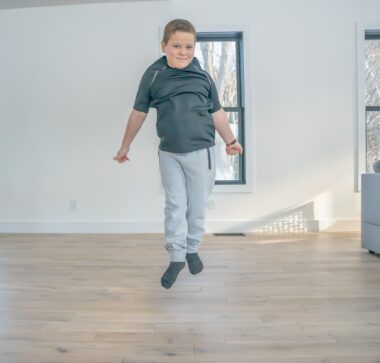
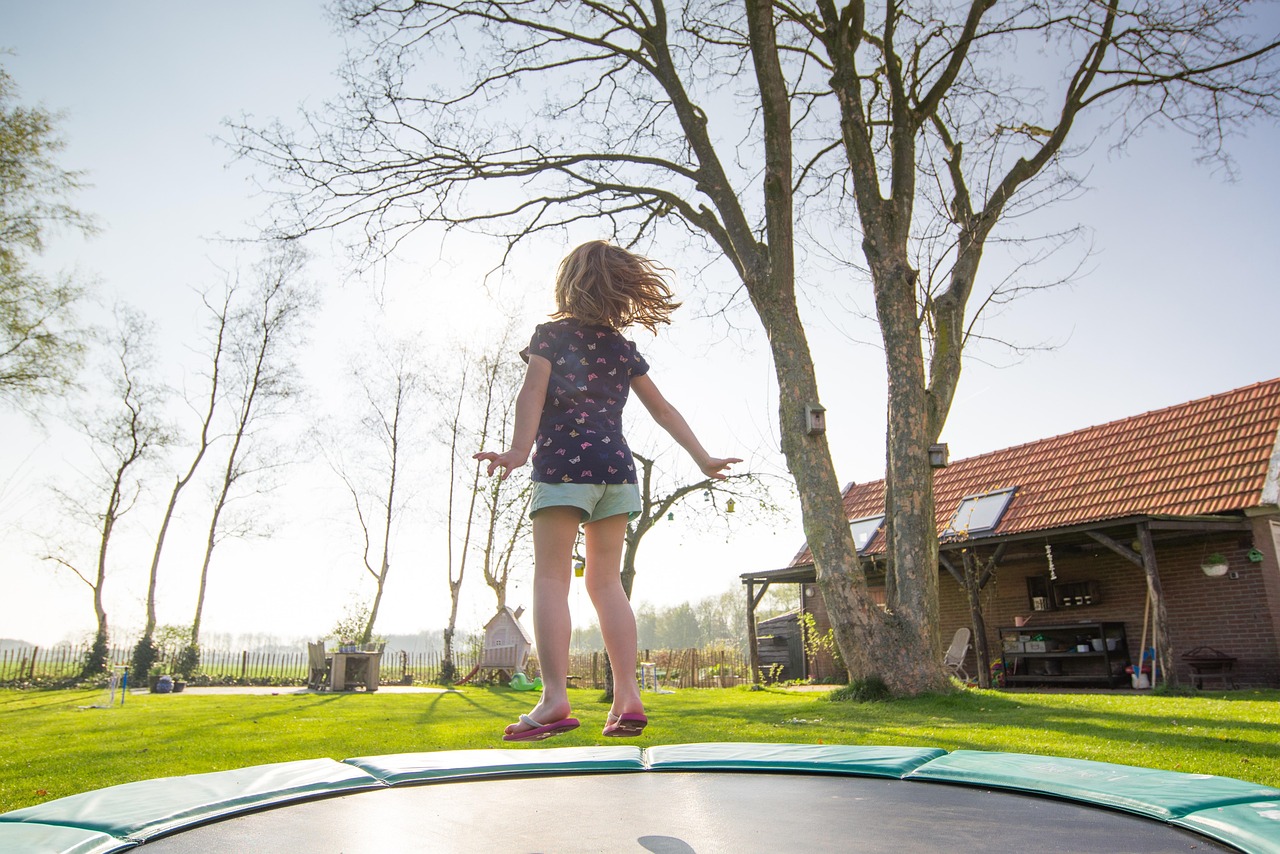
As children engage in bodyweight exercises, they naturally sharpen their movement skills. These activities demand coordination, balance, and agility—skills paramount for various sports and recreational activities. Encouraging children to explore movements like jumping, squatting, and balancing activates multiple muscle groups, fostering overall physical development. This exploration not only enhances their coordination, but also contributes to better body awareness. Developing these motor skills during childhood breeds confidence in children, motivating them to participate in various sports or physical activities in school. As they gain mastery over these fundamental movements, they are likely to take risks and try new things in their physical pursuits. Additionally, improving core strength through bodyweight exercises can aid children in maintaining good posture. Developing a strong foundation reduces the likelihood of injury during sports activities. With increased body awareness and physical capabilities, children become more resilient in their athletic endeavors. Parents should celebrate these achievements by acknowledging their improved skills, encouraging continued growth. Investing time in activities that enhance movement skills will yield benefits both for sports participation and overall physical health throughout their lives.
Boosting Confidence Through Movement
Physical fitness directly enhances self-esteem, particularly in children. Bodyweight exercises give kids a sense of accomplishment upon completing challenging movements or workouts. This accomplishment translates to positive feelings about their abilities, fostering self-worth and confidence. As children observe progress in their physical capabilities, they become more likely to engage in community sports or organized activities. Empowering kids with the knowledge that they can achieve goals by practicing reinforces a growth mindset. Parents should support children’s fitness journeys by celebrating their accomplishments, no matter how small. Recognition fosters motivation, encouraging kids to keep pushing themselves further. Creating opportunities for children to showcase their skills also fuels this trend. For instance, organizing family workout exhibitions can highlight their achievements. Regular physical activity helps instill resilience, as they learn to navigate challenges—both physical and emotional. Bodyweight exercises allow for gradual improvements that children can witness firsthand. They realize that consistent effort yields results in their physical fitness journey. In turn, that awareness extends into their academic and social life. This burgeoning confidence leads children to take on new challenges, shaping them into well-rounded individuals through perseverance, determination, and resilience.
In summary, the multifaceted benefits of bodyweight exercises for children encompass physical, mental, and social health enhancements. These activities promote healthy lifestyle habits while being enjoyable and engaging. As children participate in these exercises, they improve physical fitness while also developing valuable life skills. Parents play a vital role by instilling these habits during early childhood, fostering longevity in the fight against obesity and inactivity. The collaboration between families enhances this process, providing opportunities to bond while engaging in fitness. Through bodyweight workouts, children gain confidence, self-esteem, and resilience. They become more prepared to face challenges in numerous aspects of life, enriching their overall health journey. Encouraging them to explore various workouts and activities keeps the notion of fitness fun and fresh. Recognizing achievements—no matter how small—fuels enthusiasm and motivation for children. Encouraging active lifestyles requires balanced efforts from parents and communities to support children’s health. Finally, investing in children’s physical health today creates a foundation for healthier adults. Making bodyweight exercises a staple in childhood routines ensures that the next generation leads healthier lives. Emphasizing the value of fitness benefits us all, shaping healthier societies for the future.
Conclusion
Ultimately, bodyweight exercises empower children with the tools they need for a thriving future. By embracing the core principles of these movements, we help children develop health habits that last a lifetime. With consistent practice, children learn perseverance in facing physical and mental challenges. The blend of becoming physically adept, boosting self-confidence, and engaging socially equips them to thrive in every aspect of their lives. Educators and parents alike should prioritize integrating bodyweight exercises into routines. These activities make fitness affordable, accessible, and fun. By fostering an active lifestyle in children, we can collectively combat obesity, instill healthy habits, and enhance overall well-being. Physical fitness should be a joyful experience, not a chore. Engaging children in bodyweight exercises sets the stage for positive relationships with physical activity. Teaching kids that movement can be creative, enjoyable, and rewarding encourages them to find joy in fitness continuously. In turn, they are likely to spread this enthusiasm to their peers and future generations. Healthy communities are built by fostering healthy children, investing in their futures by emphasizing the importance of physical and mental well-being through engaging bodyweight exercise routines.