Plyometric Cardio Drills to Enhance Muscle Power
Plyometric cardio drills effectively boost muscle power while providing a complete cardiovascular workout. These exercises, often referred to as jump training, incorporate explosive movements that engage multiple muscle groups simultaneously. By integrating speed with strength, practitioners can experience significant gains in cardiovascular endurance and muscle mass. Such drills are ideal for enhancing overall athletic performance. Beginners may find plyometric exercises challenging; however, starting with modified versions can help ease into the routine. Common drills include box jumps, burpees, and jump squats, which can be incorporated into an existing workout regimen. It’s essential to maintain proper form to avoid injuries while performing these intense movements. Additionally, proper warm-up and cool-down sessions should precede and follow each workout. Not only do plyometric cardio drills improve strength and muscle power, but they also help increase agility and coordination. A balanced approach to plyometric training can ensure progress without compromising safety. By consistently practicing these exercises, individuals can develop explosive power and stamina that translate to enhanced performance in sports and daily activities.
Benefits of Incorporating Plyometric Training
Incorporating plyometric training into a workout routine offers numerous benefits for muscle power and endurance. First, these drills predominantly activate fast-twitch muscle fibers, essential for explosive movements. By recruiting these fibers, plyometric exercises enhance strength and power more effectively than traditional strength training alone. In addition, these drills can significantly improve cardiovascular fitness, benefiting heart health over time. Enhanced muscle power also translates to better performance during high-intensity sports, making athletes more competitive. Plyometric training is also time-efficient; a short, intense session can provide the same benefits as longer, moderate workouts. The variability within plyometric workouts keeps things interesting and engaging. Mixing different drills throughout routines helps avoid plateaus, providing continuous progression. Furthermore, plyometric exercises engage core muscles, promoting stability and balance during movements. This functional strength can aid daily activities and reduce the risk of injury. Flexibility is equally enhanced, as most plyometric drills require full range-of-motion movements. By focusing on different aspects, individuals can improve their physical capabilities holistically, encompassing strength, speed, agility, and endurance. Implementing plyometric training effectively can result in well-rounded fitness benefits for any individual.
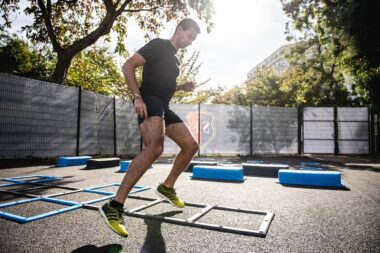
Plyometric cardio workouts are versatile, allowing individuals to adapt them for various fitness levels and goals. Beginners may start with low-impact variations and gradually advance to high-impact exercises. Timing and sequencing of workouts are essential for safety and efficacy. Incorporating extensive rest periods is important, enabling muscles to recover adequately between intense bouts. A well-structured session might consist of a combination of strength-building movements followed by plyometric drills, maximizing both muscle work and cardiovascular efficiency. Additionally, combining plyometric drills with resistance exercises enhances muscle growth while improving cardiovascular fitness simultaneously. For instance, performing squats followed by jump squats creates a powerful circuit. It’s crucial to focus on quality over quantity, ensuring each jump is executed with proper form to minimize the risk of injury. Moreover, integrating agility ladders, cones, or hurdles can add diversity and complexity to drills, assisting in improving coordination and foot speed. Regularly changing routine setups keeps workouts fresh and engaging. This adaptability means anyone can reap the benefits of plyometric drills, contributing to overall fitness goals while enhancing muscle power significantly.
Key Plyometric Cardio Exercises
A range of plyometric cardio exercises can enhance muscle power while providing a robust aerobic workout. Some prominent exercises include box jumps, which target leg muscles, requiring vertical leaps onto elevated surfaces. This movement develops explosiveness essential for various sports. Burpees combine strength and endurance, engaging the entire body through a full range of motion. Starting from a standing position and transitioning into a squat, followed by a push-up before a jump, makes this exercise particularly effective. Another great exercise is plyometric push-ups, which encourage upper body power. By pushing off the ground explosively, not only do you enhance chest and arm strength, but also engage core muscles dynamically. Skater jumps help improve lateral movements, beneficial for sports requiring side-to-side agility. Finally, jump lunges are excellent for targeting both lower body strength and cardiovascular conditioning. When scheduling workouts, consider including several of these exercises in circuits or intervals, performing short bursts followed by rest. Such formats can increase muscle endurance while effectively enhancing overall cardiovascular performance.
Safety precautions are essential when performing plyometric cardio drills, particularly due to the high-impact nature of the exercises involved. Always prioritize proper form to avoid injuries that can sidetrack training efforts. Start slowly by familiarizing yourself with basic movements before progressing. Gradually increase the intensity and frequency of workouts based on your current fitness level. Adequate footwear is also crucial; supportive shoes designed for lateral movements can offer the needed grip and stability. Additionally, practicing on appropriate surfaces, like wood or rubber gym floors, can provide added support and reduce impact. Always pay attention to your body; if fatigue sets in, take a break, as this helps maintain safety and performance efficiency. Ensuring adequate recovery days amidst high-intensity training is equally vital for muscle repair and growth. Supplementing workouts with stretching or foam rolling can aid recovery, maintaining flexibility and preventing tight muscles. Dehydration is another factor to consider; consume enough water before, during, and after workouts to maintain peak performance levels. By following these safety tips, individuals can mitigate potential risks while enjoying the benefits of plyometric cardio drills.
Progress Tracking and Goals
Tracking progress is important in any fitness regime, and plyometric cardio training is no exception. Setting clear, achievable goals can motivate individuals to stay consistent and push their limits. Consider employing a fitness journal or mobile app to record workouts, noting repetitions, sets, and personal observations on improvements or challenges. Monitoring changes in strength, endurance, and overall cardiovascular fitness can help gauge effectiveness. Measuring progress through performance benchmarks becomes crucial; for example, timing how long it takes to complete a specific circuit can be beneficial. With routine assessments, adjustments can be made to increase exercises’ intensity or volume as fitness improves. Nevertheless, it’s important to remember that progress may not always be linear, with fluctuations being natural. Most importantly, celebrate milestones, big or small, that support motivation and adherence to the training plan. Engaging friends or joining group workouts can further enhance motivation levels by adding social elements. Finding partners who share similar fitness goals fosters camaraderie and accountability, making training more enjoyable. Utilizing these strategies effectively tracks improvements in muscle power and cardiovascular fitness, ensuring sustained motivation.
In conclusion, plyometric cardio drills can effectively enhance muscle power and overall athletic performance. These explosive exercises combine both strength-building and cardiovascular benefits, supporting various fitness goals. As discussed, integrating plyometric exercises into a routine offers multiple advantages, such as improving speed, agility, and coordination, in addition to building strength. Strategies for implementing these workouts stress the importance of form, progression, and the need for safety precautions. Moreover, benefiting from tracking progress encourages sustained engagement with fitness goals. Overall, incorporating plyometric cardio training promotes a well-rounded fitness approach, aiding individuals in achieving a stronger, more powerful physique. With commitment and consistency, noticeable improvements in muscle performance can significantly enhance daily physical activities and sports performance. Emphasizing all aspects discussed within this article underscores not only the immediate benefits of plyometric training but also its long-term advantages. As muscle power enhances, individuals may find themselves pushing the boundaries of their physical potential, fostering confidence in their abilities both in and out of the gym. Consider summarizing the benefits of plyometric cardio drills as part of a comprehensive fitness journey toward a fitter and healthier lifestyle.