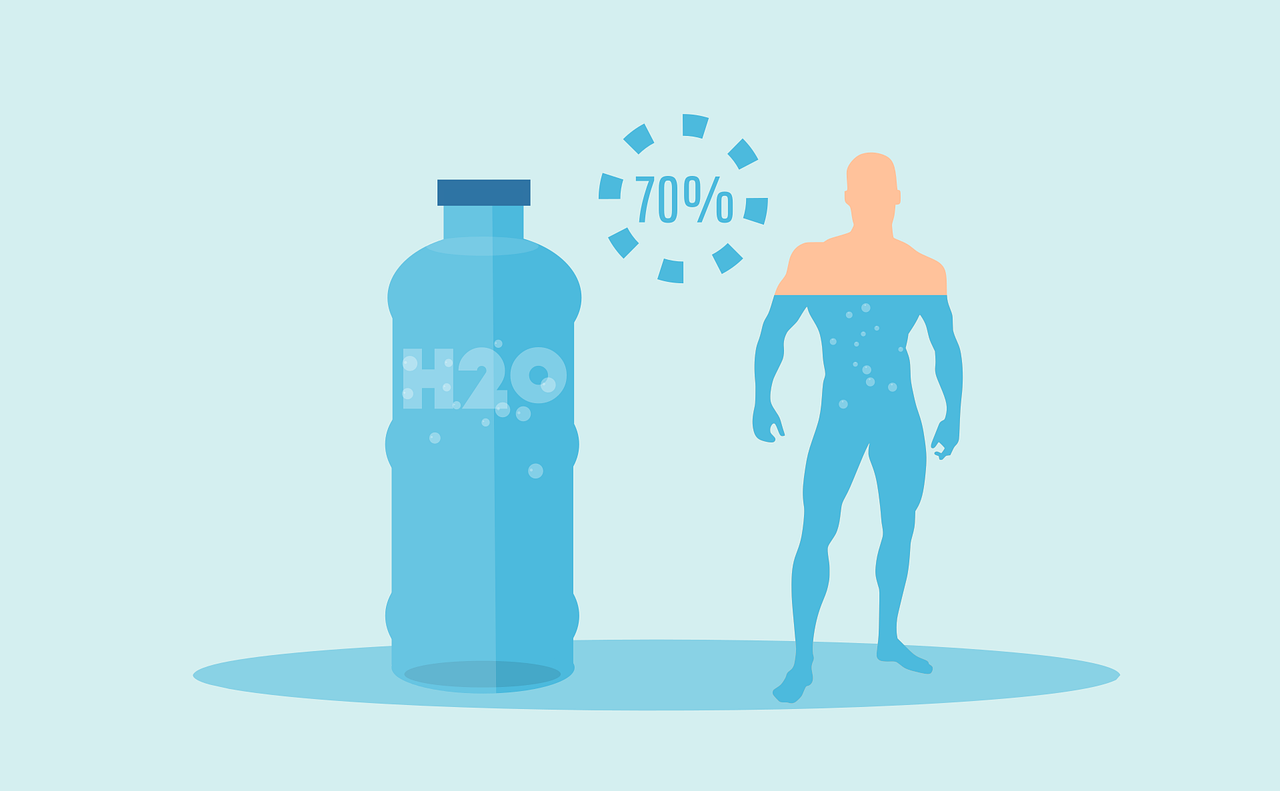

Assessing Hydration Levels for Optimal Fitness Performance
Hydration is an essential component of body composition analysis, influencing fitness and exercise performance. Proper hydration helps maintain optimal physiological functions necessary for performance, recovery, and overall health. Understanding hydration levels can help athletes and fitness enthusiasts optimize their training programs. Dehydration can lead to fatigue, impaired cognitive function, and decreased performance. Therefore, assessing hydration status is crucial for achieving fitness goals. Several methods exist to evaluate hydration status, including urine color tests, bioelectrical impedance analysis, and fluid loss monitoring during workouts. Maintaining adequate hydration before, during, and after physical activities will help athletes enhance their performance. Factors such as environmental conditions, exercise intensity, and sweat rates can affect hydration needs. Additionally, not all fluids contribute to optimal hydration. Electrolyte-rich fluids can aid in hydration better than plain water during extended activities. To ensure peak performance, athletes should develop personalized hydration strategies. Such strategies should consider individual sweat rates, exercise duration, and environmental factors. Maintaining a hydration log can help track fluid intake and losses effectively. Ultimately, adequate hydration promotes optimal performance, as well as recovery post-exercise.
Understanding fluid balance is critical for athletes aiming for improved performance. The body requires a delicate balance between water intake and loss to maintain optimal function and performance. Fluid loss occurs through sweat, urination, respiration, and even during metabolic processes. During physical activity, the body’s water loss increases significantly, which can affect performance if not replenished properly. Athletes should monitor their hydration levels, especially when exercising in hot conditions. It is crucial to understand individual hydration needs, as these vary widely. Factors such as body size, climate, and exercise intensity will affect how much fluid you require. For optimal performance, athletes should drink water before and during workouts, as well as consume fluids afterward to restore balance. Additionally, consuming carbohydrate-electrolyte beverages can help maintain energy and hydration during prolonged workouts. Keeping an eye on signs of dehydration, like decreased performance, headaches, and dark urine can help athletes adjust their intake accordingly. Fluid replacement should be integrated into the athlete’s training regime. A well-thought-out hydration strategy not only aids in performance but also contributes to faster recovery and injury prevention. Ultimately, hydration strategies must adapt to individual needs.
Hydration Strategies for Athletes
Creating effective hydration strategies requires a tailored approach that accounts for individual variables. Athletes should consider their sweat rate, workout duration, and environmental conditions when planning their hydration intake. Monitoring sweat rates can be a useful tool for assessing hydration needs. A simple guideline for fluid intake suggests drinking 500-750 milliliters of water 2-3 hours before exercising. During exercise, hydration should vary based on the intensity and duration of the activity. Consuming approximately 150-350 milliliters every 15-20 minutes can help maintain hydration levels. After exercising, it is crucial to replenish lost fluids by drinking plenty of water or electrolyte beverages. Remember, the type of beverage consumed can influence the rate of absorption and effectiveness. Sports drinks with added electrolytes can expedite fluid replacement. Athletes should also track body weight before and after workouts to estimate fluid loss and tailor their intake accordingly. A decrease in body weight often indicates fluid loss. Maintaining accurate records and hydration levels per workout can lead to informed choices that enhance performance. Implementing these strategies helps ensure optimal hydration, allowing athletes to perform at their best.
Incorporating hydration knowledge into daily routines is essential for maximizing athletic performance. One effective approach is to establish a hydration schedule that incorporates consistent fluid intake throughout the day. Athletes should aim to drink at least half their body weight in ounces of water daily to maintain optimal hydration. Paying attention to urine color can also serve as a quick reference to assess hydration status. Ideal urine color should be pale yellow; darker shades may indicate dehydration. It is crucial to hydrate before feeling thirsty because thirst is often a late sign of dehydration. Additionally, using apps can assist in tracking overall fluid intake. To enhance their hydration status, athletes can include water-rich foods, such as fruits and vegetables, in their diet. Foods like watermelon, cucumbers, and oranges contribute to daily fluid intake and provide essential nutrients. Hydration should not be neglected in non-exercise periods, as it plays a crucial role in recovery. Integrating consistent hydration practices empowers athletes to train more effectively while reducing the risk of fatigue, injury, and illness, which can disrupt their training program significantly.
The Impact of Dehydration
Dehydration can have severe implications for athletic performance and overall health. Even mild dehydration can impair physical performance, reduce strength, and lead to fatigue. A loss of just 1-2% of body weight can significantly affect endurance, strength, and mental clarity. It’s crucial that athletes recognize the symptoms of dehydration, which may include dizziness, confusion, headache, and fatigue. These symptoms can severely hinder performance and may lead to increased risks of heat-related illnesses. Hydration is further impacted by factors including temperature and humidity, with higher temperatures increasing sweat levels. Prolonged periods of inadequate fluid intake can also result in negative long-term health impacts. Athletes must understand their unique hydration needs to mitigate these risks effectively. Incorporating routine hydration breaks during training sessions can support peak hydration levels. Furthermore, recovery drinks designed to replenish lost electrolytes and fluids should be consumed post-activity. By reconnecting with hydration knowledge and diversifying fluid sources, athletes can avoid the pitfalls of dehydration. Establishing personal hydration procedures will lead to sustained performance improvements, better recovery times, and longer careers in competitive sports.
Monitoring hydration status should be a consistent practice among athletes and fitness enthusiasts. Regular checks can help prevent performance decline due to dehydration and optimize fitness outcomes. The use of hydration tracking tools, including body weight scales and hydration logs, provides valuable insights into hydration trends. Athletes can use these tools to evaluate their intake against their physical output. It’s also recommended to consider urine analysis as a straightforward way to gauge hydration levels quickly. Maintaining adequate fluid intake prior to intense training sessions can ensure better performance outcomes. Athletes should monitor their response to varying hydration strategies during trials and competitions to determine the most effective approach. Relying on science-backed hydration guidelines tailored to their specific needs can significantly enhance results. The inclusion of various hydration strategies will aid in achieving and maintaining optimal performance levels. Moreover, the emotional aspect of hydration should not be overlooked; feeling energized and focused can contribute to improved motivation and determination during training. Ultimately, the journey toward maintaining ideal hydration levels revolves around continuous self-assessment, adjustment, and education for optimal athletic performance.
Conclusion
In conclusion, hydration plays a pivotal role in body composition analysis and overall fitness performance. Implementing effective hydration strategies is essential for all athletes striving for peak performance and improved health outcomes. Understanding individual hydration needs, monitoring fluid intake, and recognizing the signs of dehydration will contribute to optimal athletic performance. Athletes must pay extra attention to hydration before and after workouts, employing personalized strategies to ensure proper fluid balance. Staying hydrated goes beyond merely drinking water; it encompasses a holistic approach to wellness. Remember, ignoring hydration can derail fitness goals and lead to serious health issues. The consequences of dehydration highlight the importance of incorporating hydration knowledge into daily routines and training regimens. Through consistent monitoring and proper education about fluid needs, athletes can minimize the risks linked to dehydration. It is essential to engage in regular assessment and reflection on personal hydration strategies to refine and improve them continuously. Pursuing enhanced hydration practices empowers athletes to perform better during workouts, recover faster afterward, and maintain long-term health. Thus, optimal hydration should be a priority for anyone committed to achieving peak fitness performance.
This content is crucial for anyone aiming to enhance their performance through effective hydration practices. By implementing these strategies and taking hydration seriously, athletes can unlock their full potential.