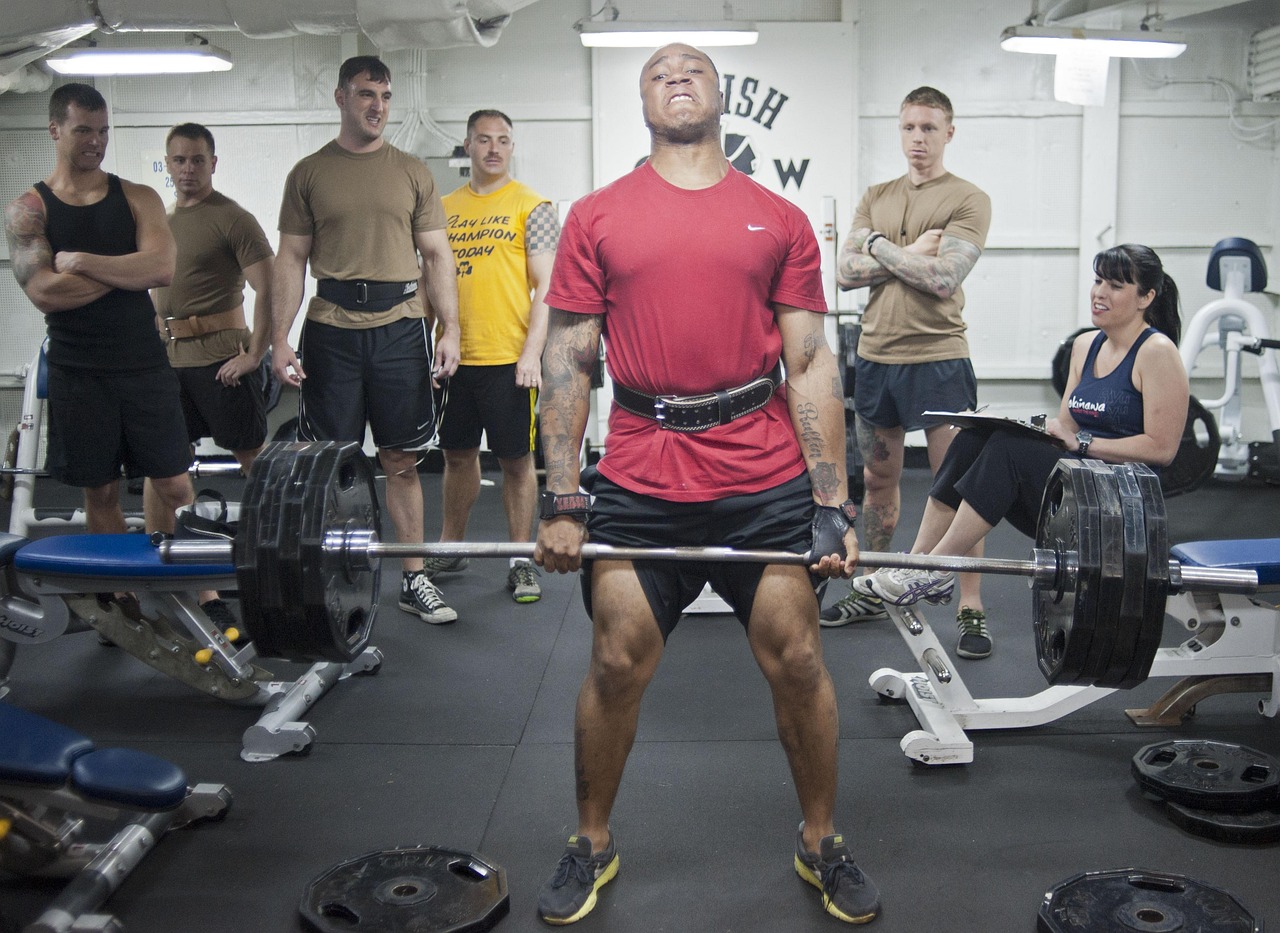

Speed Deadlift Drills to Increase Power and Explosiveness
In the world of weightlifting, mastering the deadlift is crucial for athletes aiming to enhance their performance. When it comes to increasing strength and explosiveness, incorporating speed deadlift drills into your training regimen is essential. These drills focus on developing the muscular power needed for quick lifts. Implementing exercises specifically designed to enhance speed will ultimately lead to improved performance during actual lifts. A key component of these drills is maintaining proper technique while executing the lift quickly. Ensuring correct form will not only prevent injury but also maximize your gains during training. Athletes may experiment with variations of deadlifts to target specific muscle groups. Common variations include the conventional, sumo, and platform deadlift. Using a lighter weight with an emphasis on speed allows lifters to focus on explosive movement without compromising their form. This practice helps to train the neuromuscular system for quick force generation. As a result, these speed drills will significantly improve overall power output during heavy lifting sessions. Ultimately, the goal is to translate this newfound explosiveness into actual lifting scenarios, increasing strength and confidence in the deadlift movement.
Implementing speed deadlift drills requires careful planning and execution for effective results. One of the most recommended drills is the “Deficit Deadlift.” This drill places your starting position at a lower height to increase muscle engagement and emphasize explosive strength. Start by standing on a small platform while you perform the lift. Another essential drill is the “Pause Deadlift,” where lifters pause just above the floor. This technique promotes power generation through the mid-range of the lift, enhancing muscle memory and reaction time. Lifters should also consider utilizing bands or chains to provide accommodating resistance. As the bar moves, resistance increases, forcing the muscles to adapt and develop power throughout the lift. Incorporating these methods can lead to noticeable improvements in performance over time. Additionally, practicing accelerating deadlifts from various positions will allow athletes to familiarize themselves with the speed needed for effective lifts. Consistent repetition of these speed drills will ensure improved explosiveness. A comprehensive training plan incorporating these exercises may be beneficial for serious lifters aiming for competitive excellence.
Timing is crucial when performing speed deadlift drills; lifters should pay close attention to their rest intervals between sets. Reducing rest periods can further enhance explosiveness, as shorter breaks maintain muscle fatigue, training the body to recover and regenerate quickly. Athletes may experiment with rest intervals ranging from 30 seconds to 1 minute, finding what works best for their individual recovery needs. Keeping the acidic build-up at bay helps athletes maximize strength output during repeated lifts. In addition to true timed intervals, lifters should focus on the “rhythm” of the lift, ensuring fast and consistent movement patterns. Adopting a tempo approach to your lifting can be a beneficial method, promoting an understanding of the required speed component. Furthermore, incorporating different weights for each set will help in maintaining focus on power rather than just lifting heavy weights. Lifters should aim to increase their load over time incrementally while staying committed to honing their speed techniques. This way, athletes develop better coordination and overall control, which translates to more successful deadlifting in various styles.
Explosive Training Through Deadlift Variations
To maximize the benefits of speed deadlift drills, athletes must integrate various deadlift variations into their routines. These variations serve to target different muscle groups while enhancing speed and strength. The “Snatch Grip Deadlift” positions your hands wider than the conventional grip, thereby increasing range of motion and muscle activation. By employing this technique, athletes condition their muscles for diverse lifts while building explosive power. The “Romanian Deadlift” also helps develop strength in the posterior chain, particularly focusing on hamstrings and glutes, essential for strength progression. Another variation, the “Speed Deadlift,” emphasizes executing the lift with 60-70% of your one-rep max. This approach allows lifters to prioritize speed without compromising technique. Lifters are encouraged to practice these variations through consistent drilling, as it builds muscle memory over time. Speed deadlifts also emphasize the importance of engagement and focus throughout the lift, prompting lifters to maintain a solid mindset while training. Ultimately, regular adaptation and implementation of these variations will greatly benefit lifters looking to enhance their overall explosiveness and power in the deadlift.
Alongside varied deadlift drills, developing a dynamic warm-up routine is equally important for ensuring peak performance. Warming up assists in preparing the muscles and flexibility for the demanding requirements of speed deadlifts. Some effective warm-up strategies include hip mobility exercises, dynamic stretches, and activation drills. Consider incorporating movements like leg swings, lunges, and mobility drills targeting the hips, glutes, and hamstrings. Such exercises help increase blood flow to the necessary muscles, reducing the risk of injury during high-speed lifting. Gradually increasing the intensity and complexity of the warm-ups will also ensure that your body adapts to faster movement patterns. Additionally, athletes might experiment with plyometric exercises, such as box jumps or jump squats. These exercises mimic explosive movements and promote muscle recruitment needed for speed deadlifts. Developing a solid warm-up routine will significantly enhance your speed deadlift technique, leaving no room for setbacks in your training. Ultimately, focusing on agility and mobility while preparing your body will pay dividends when attempting powerful, explosive lifting techniques in every session.
Key Takeaways on Speed Deadlift Drills
Incorporating speed deadlift drills into your training regimen can significantly improve overall power and explosiveness, leading to better performance. It is evident that understanding the importance of proper technique lays the groundwork for success in speed deadlift training. Lifters must ensure that every movement reinforces strength development and contributes to lifting competence. Remember to integrate varied drills, such as deficit deadlifts and pause deadlifts, while also practicing techniques at larger volumes with lighter weights. Regular adaptation to your regimen will promote consistent strength gains, ensuring that body mechanics remain honed. In addition, focusing on enhancing warm-up routines will prepare athletes to lift more effectively and improve overall explosiveness. Creating diverse training sessions aimed at enhancing reaction times and coordination will ultimately fortify self-confidence in deadlifting potential. This also involves staying consistent with speed drills while keeping the weights manageable, increasing as strength improves. Lifters should adapt to and respect individual progression while staying committed to the trajectory of strength improvement. As a result, the athlete’s dedication to mastering speed deadlift techniques should lead to greater lifting success at competitive levels.
Tracking progress is an essential component of any effective training plan, especially for speed deadlift drills. By logging workouts, athletes can assess their improvements over time, allowing them to make data-driven adjustments to their training. Using performance logs or apps can provide a comprehensive overview of how speed and explosiveness have developed during training. Additionally, including metrics such as lift completion times, percentage of one-rep max, and workout intensity will guide your adjustments. Analyzing this data not only showcases improvements but also highlights any areas that may be lagging. Seeking feedback from coaches or training partners can provide additional insights to refine technique and assess improvements effectively. Finding ways to incentivize progress through personal challenges or goals will further increase motivation. Keep track of positive feedback, persistent efforts, and successful attempts for a complete training perspective. Ultimately, the key to becoming an effective speed deadlifter is consistency in practice and continuous evaluation. Challenging oneself through incremental improvements fosters the growth mindset necessary for achieving your ultimate lifting goals and ensuring that explosiveness in the deadlift becomes a standard in every training session.
In conclusion, speed deadlift drills are integral for athletes looking to amplify their power and explosiveness. The physical demands of weightlifting necessitate a focus on enhancing speed in the deadlift to facilitate better performance. By understanding the significance of technique, incorporating dynamic drills, and developing a proper warm-up routine, athletes will ensure they are creating sustainable growth in their deadlift. Efforts should be supported by logging progress meticulously and adjusting strategies based on performance data. Integrating deadlift variations, alongside individualized speed drills, will help promote balance and versatility in lifting technique. Consequently, lifters must cultivate self-discipline and resilience while honing their skills, as this is essential in pursuing lifting excellence. Lifters should always remember to prioritize safety, maintaining proper form as the bedrock for achieving success. Additionally, mental preparation and focus play significant roles in enhancing explosiveness during lifts. Ultimately, those who embrace these practices in their training will undoubtedly progress in their deadlift performance, achieve greater heights in strength training, and stand out in their weightlifting endeavors. The journey may be challenging, but the rewards will undoubtedly make every effort worth the pursuit.