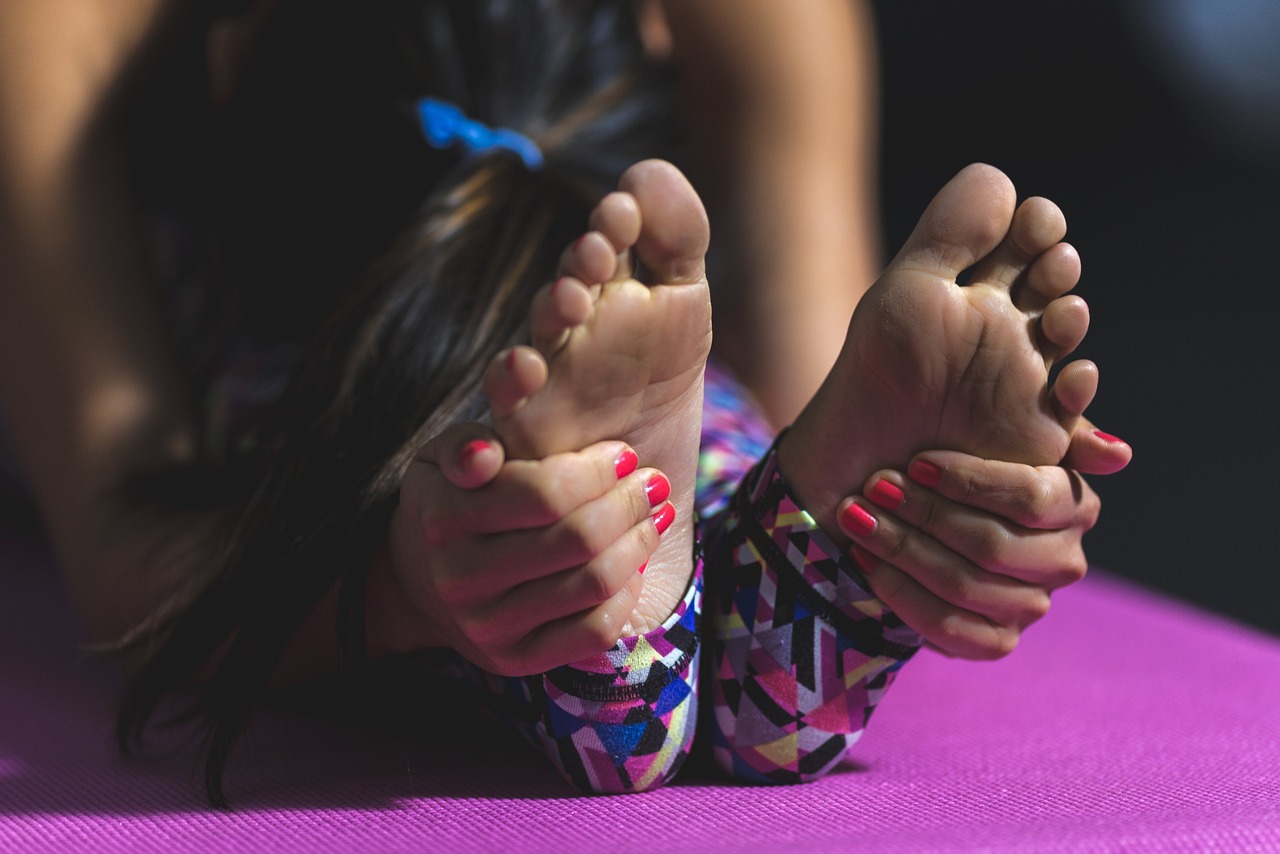

Reviewing the Best Yoga Mats for Women: Comfort and Durability
Maintaining a consistent yoga routine requires essential equipment, and one of the most important items is a good yoga mat. For women, the ideal yoga mat should not only provide comfort but also last for years of use. When choosing a yoga mat, consider factors such as thickness, material, and grip. A thicker mat can provide more cushioning for sensitive joints, while a mat made from high-quality materials can enhance durability. Women often prefer mats that are not only functional but also aesthetically pleasing, with various colors and designs available to match personal styles. Reading reviews can help narrow down options to those that have met the standards of other yoga practitioners. Remember that the best yoga mat for you will combine functionality with your needs and preferences. Regular use will put your mat through the test, so durability is paramount. Researching reputable brands will also ensure that the mat is eco-friendly, as this is an essential aspect for those conscious of their environmental footprint. Look for customer feedback that discusses the longevity and performance to guide your selection.
Top Materials for Yoga Mats
The materials used in yoga mats are crucial for ensuring comfort, grip, and durability. The two most common materials are PVC and natural rubber. PVC mats are typically less expensive and often more durable under heavy use, making them popular among beginners. However, they can be sticky and may not provide the best grip for more advanced poses. On the other hand, natural rubber mats are eco-friendlier and offer excellent grip, but can be prone to wear under high-stress practices, especially in hot yoga. Other materials include TPE, which is recyclable, lightweight, and offers a decent balance between cushion and durability. Additionally, mats made from jute or cotton are available, providing a unique texture and eco-conscious option for the environmentally aware yogi. Each material has its strengths and weaknesses, so it’s beneficial to test them before making a purchase. Whether you prioritize a non-slip surface or a softer feel, understanding the material will impact your yoga practice. Ultimately, choosing the right material is essential for enhancing comfort during workouts.
Thickness and Portability Considerations
The thickness of a yoga mat is another critical element that can significantly affect your practice. Standard mats typically range from 1/16 inch to 1/2 inch, with thicker mats offering more cushioning for those with sensitive joints. However, a thick mat may limit balance in certain poses and may be less portable due to added weight. Women who travel frequently or attend classes may prefer thinner, lightweight mats that can easily roll up and fit into bags. Thinner mats offer superior stability, allowing for better connection to the ground during balancing poses or strength training. For those who prefer the extra cushion, folding options may be the best compromise, as they provide both comfort and portability. Ultimately, the best thickness will be a balance between comfort and ease of transportation, catering to your specific practice and lifestyle. Personal preference will play a role in this decision, so exploring different thicknesses before committing is advisable. Consider your primary usage scenarios to find a mat that suits your needs best.
Another important aspect to consider when selecting a yoga mat is the grip quality. The surface texture can make a significant difference during your practice, as you want to maintain stability while transitioning between poses. Mats with a high-tack surface provide the best grip, preventing slippage during vigorous sessions. On the other hand, mats with a smooth texture might appeal to those who prefer less friction, especially when transitioning through flow sequences. Women practicing more dynamic styles like vinyasa or power yoga need mats that can withstand sweat and maintain grip regardless of moisture levels. Some mats feature special coatings to increase grip when wet, specifically catering to hot yoga enthusiasts. Finding the right grip requires personal experience, as what works for one person may not be ideal for another. Trial-and-error and reading detailed user experiences will aid in making an informed choice. The goal is to achieve confidence during practice, allowing you to focus on your breath instead of your footing. Prioritize grip quality to enhance your overall yoga experience and performance.
User Experiences and Reviews
When purchasing yoga mats, user reviews offer invaluable insights regarding comfort, durability, and performance during various styles of practice. Women frequently share their yoga experiences, detailing how particular mats performed across different conditions. If a mat excels in grip during hot yoga or demonstrates durability after months of use, these insights become critical in guiding potential buyers. Many platforms allow users to provide feedback, and seeking out these reviews broadens your understanding of the mat’s performance. Pay special attention to the comments regarding customer service experiences and return policies, as this information can be as vital as product performance. Reading reviews that highlight both positives and negatives will establish realistic expectations, enhancing satisfaction when making a purchase. Be sure to scour dissatisfying feedback for warning signs indicating that a mat may not hold up over time or lacks comfort during extensive use. The consensus from multiple users will often lead to the best choices for your yoga journey. Engaging with communities offers recommendations and personal accounts to clarify which mats may suit your needs.
Price is another factor that women consider when choosing yoga mats, as it’s essential to find one that fits within a budget while meeting quality standards. Prices can range significantly with options available from low-cost budget mats to high-end luxury selections. Typically, the more you invest, the better the materials and durability. However, affordable options can still yield a great performance, particularly for beginners who are just starting to explore their yoga journey. It’s crucial to understand what you are getting for your money — brand reputation, materials used, and what extra features are included. In some cases, investing in a slightly more expensive mat can lead to a far more enjoyable and supportive practice experience. Look for mats that come with warranties or guarantees; this can provide peace of mind regarding performance over time. Weighing the price against your intended frequency of practice will guide your decision. Engage with fellow fitness enthusiasts to share experiences concerning cost-versus-value concepts, ensuring you make an informed purchase that aligns with your budgetary constraints.
Conclusion: Selecting the Best Yoga Mat
In summary, selecting the best yoga mat involves various elements that prioritize comfort, function, and personal preference. Women should first consider material, thickness, grip quality, and user reviews before finalizing choices. While price is another critical consideration, ensuring that a mat addresses your specific needs for practice will lead to a more joyful yoga experience. The best mat not only supports physical performance but also aligns with your values regarding environmental impact and durability. Engage with other practitioners for recommendations and insights, and invest time in researching top sellers known for producing reliable products. Ultimately, prioritize comfort and performance to enhance the overall enjoyment of your practices. Your mat serves as a vital connection to the ground, making the right selection crucial for enhancing your physical and mental experience during yoga. Finding the perfect fit may take some time and effort, but the rewards of a suitable mat will elevate both your satisfaction and dedication to yoga. Balancing aesthetics with function will lead you to the best choices available, ultimately enriching your journey on and off the mat.
As you embark on your quest for the ideal yoga mat, remember that personal experience plays a pivotal role in finding the perfect one for your yoga journey. Consider testing mats at local studios or shops, where you can receive hands-on experience to determine what feels right. From thickness to material and beyond, being mindful of how each aspect affects your practice is crucial. You should also keep in mind that fluctuations in pricing do not always reflect quality; approach each potential mat with a balanced perspective. Reading through user experiences can provide clarity, helping you navigate through marketing claims while prioritizing your goals. Your journey begins with essential questions around comfort, durability, performance, and style. Engage with others in the fitness community, sharing your experiences and gathering insights to adapt to your needs over time. Personal preference and lifestyle will guide you toward making the ideal selection. By analyzing all criteria heavily and investing in a mat that enhances your practice, you bolster commitment to your yoga journey. Enjoy the process of finding your perfect yoga mat, as it serves as a rewarding investment in your health and well-being.