
How to Use Foam Rolling to Enhance Mobility for Bootcamp Training
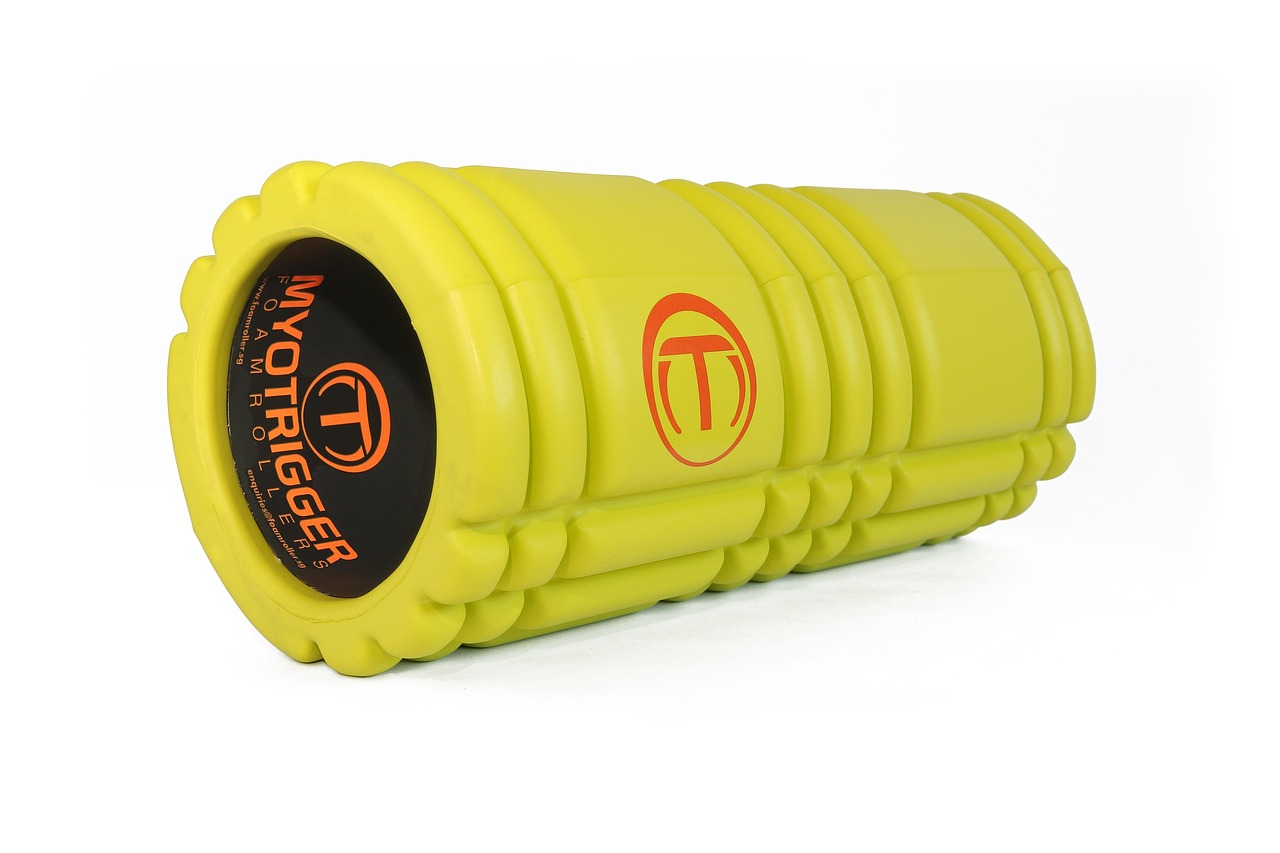
Foam rolling is an essential tool that can greatly enhance your mobility and flexibility during bootcamp training. By targeting specific muscle groups, foam rolling helps to release tension and improve blood circulation. This process enhances recovery and prepares your body for the rigorous demands of bootcamp workouts. The benefits of foam rolling extend beyond mere mobility; it can also help to reduce soreness after intense sessions. A consistent foam rolling routine ensures your muscles are primed for performance. To achieve optimal results, it’s crucial to incorporate foam rolling into your pre and post-workout routines effectively. You can begin by rolling on major muscle groups such as the quadriceps, hamstrings, and glutes. Focus on areas that feel tight or sore, applying pressure for 30 to 60 seconds. As you become more accustomed to the sensation, gradually increase pressure. Remember that incorporating foam rolling does not replace stretching or warm-up activities but complements them. When done correctly, foam rolling ultimately leads to better movement patterns and a lower risk of injury. Embrace this practice to enhance your bootcamp performance significantly.
The Science Behind Foam Rolling
The science behind foam rolling, also known as self-myofascial release, highlights its role in improving overall muscle function and mobility. It works by applying pressure to specific areas of the body, facilitating the release of fascia, which is the connective tissue surrounding muscles. When this tissue remains tight, it limits your range of motion and can contribute to pain and discomfort. Regularly using a foam roller can help in elongating these tight tissues, thereby promoting greater flexibility. Studies have shown that foam rolling can enhance muscle performance and function while preparing your body for workout routines. It is particularly effective when used before engaging in high-intensity exercises typical of bootcamp training. You should aim to spend ample time rolling each muscle group to break up knots, known as trigger points. By utilizing foam rolling prior to your workouts, you set the stage for improved lifting mechanics and cardiovascular activities. Including this technique also shortens recovery time, allowing you to perform at your best during each session. Overall, foam rolling can lead to a more efficient bootcamp training experience, maximizing your efforts while minimizing potential setbacks.
Implementing foam rolling into your routine requires a strategic approach. To maximize effectiveness, consider starting with a warm-up to elevate muscle temperature. Once prepared, utilize your foam roller on various muscle groups such as the calves, thighs, and back. This process can improve mobility, particularly in areas that are pivotal for proper movement during bootcamp exercises. It’s essential to work slowly, allowing your muscles to adapt to this technique, gradually increasing the intensity as your tolerance builds. Moreover, maintaining proper technique while rolling ensures you are reaping the maximum benefits. Positively, foam rolling can also enhance the mind-muscle connection, increasing your awareness of muscle groups that require extra attention. Create a routine that incorporates foam rolling several times weekly to ensure you notice significant changes. In combination with other flexibility and mobility exercises, foam rolling can dramatically enhance your overall performance. Continue to educate yourself on different rolling techniques and the respective areas of focus to tailor your routine perfectly. With dedication, you will see improvements in both mobility and recovery, helping you excel within your bootcamp training.
Foam Rolling Techniques and Best Practices
Different foam rolling techniques vary based on the specific muscle groups you are targeting. For example, when rolling your quads, it makes sense to position yourself face down while supporting your body weight with your forearms. Next, gently roll back and forth from the knees to the hip, focusing on areas that feel particularly tight. The same principle applies to the back; however, ensure you are rolling horizontally across the foam roller to avoid excessive pressure on the lower spine. Incorporating cross-body movements can also help to stretch out tight areas while adding an element of stability. When addressing the calves, sit on the floor, with the foam roller beneath your ankles, and gently roll towards your knees. In each of these techniques, remember to breathe as this will help ease any discomfort you may feel during the process. Applying consistent pressure for about 30 seconds at each tender point allows you to release muscle tension effectively. Ultimately, establishing a variety of rolling techniques contributes to a well-rounded bootcamp warm-up and recovery plan. Always listen to your body and adjust pressure based on your comfort level.
Timing is an important aspect to consider when integrating foam rolling into your bootcamp training routine. Ideally, you want to foam roll before your workouts to enhance performance. However, it can also be extremely beneficial after completing your workout. This post-workout foam rolling can assist your body in recovering from intense exercise, alleviating muscle soreness in the days that follow. Consider allocating about 10 to 15 minutes specifically for foam rolling both pre and post-workout. The timing allows you to adequately prepare your muscles before engaging in strenuous activity while also promoting recovery afterward. Take note of how your body responds during each session and adjust your rolling routine accordingly. The goal should always be to contribute to both immediate performance and long-term benefits. It’s also helpful to set reminders or create a schedule that includes foam rolling consistently. This practice will gradually lead to enhanced mobility and flexibility, allowing you to push your limits in training. As you build this habit, your body adapts to the foam rolling process, leading to stronger performance outcomes in your bootcamp endeavors.
Common Mistakes to Avoid
While foam rolling can be highly beneficial, there are several common mistakes to watch out for. One frequent error is rolling too quickly; this minimizes the effectiveness of the technique and may lead to discomfort. Instead, maintain a slow and controlled approach, allowing each muscle group ample time to respond to the pressure. Another mistake involves neglecting certain areas of the body; ensure a comprehensive routine that addresses the entire muscle structure. Ignoring specific muscle groups can lead to imbalances and hinder performance. Additionally, many people apply excessive weight or pressure during foam rolling, which can create unnecessary trauma to the muscles. Use your body weight appropriately, allowing the foam roller to do the work without causing pain. Lastly, failing to integrate foam rolling consistently into your routine can significantly limit its positive outcomes. Create a balanced and regular practice by setting aside time specifically for foam rolling. Avoid falling into the trap of ignoring this vital aspect. By steering clear of these common pitfalls, you will optimize the benefits of foam rolling, enhancing your overall mobility and performance in bootcamp training.
As you continue on your journey in bootcamp training, always remember to monitor your progress with foam rolling. Tracking improvements in your mobility and flexibility can provide motivation and insights into your routine’s effectiveness. Consider maintaining a log to document areas of tension, the duration of each session, and any changes you observe over time. This record can help refine your foam rolling techniques and adjust your focus based on your specific needs. Incorporating feedback loops into your practice helps ensure you are always improving. Additionally, as you advance in your fitness journey, you may find that different techniques become necessary, reflecting the changes in your physical demands. Seek resources that offer new foam rolling techniques or variations to keep your practice fresh and effective. Over time, you will learn to identify the areas that need the most attention, enabling you to customize your sessions further. Ultimately, foam rolling is a personal journey in enhancing mobility and performance. Enjoy the process and celebrate your improvements as you progress through your bootcamp training.
Incorporating foam rolling into your flexibility and mobility exercises will greatly benefit your bootcamp training. Often overlooked, this technique allows you to enhance your range of motion, ultimately leading to superior performance. As you practice rolling, focus on various muscle groups including the hip flexors, lats, and shoulders. The goal is to address tension that may inhibit your mobility during workouts. Targeting these areas prepares you both physically and mentally for the more strenuous aspects of bootcamp training. Alongside elasticity improvement, foam rolling can also assist in injury prevention by improving blood flow to the muscles, enabling them to rebound quicker after high-intensity efforts. It’s crucial to dedicate a few minutes every day to foam rolling. Initially, you may discover areas that require more attention than you realize. Always listen to your body and adjust accordingly. Over time, you will develop a deeper understanding of your specific needs and preferences. This will streamline your progress, giving you a competitive edge. To summarize, foam rolling is an effective yet simple way to improve your flexibility and mobility for bootcamp training, ultimately allowing you to push past your limits with ease.