
Using Technology to Identify and Combat Sleep Disorders
Sleep disorders affect millions worldwide, disrupting daily life and health. With technology, understanding and addressing these issues becomes possible. Sleep trackers have become essential tools for personal health. They measure sleep patterns, duration, and quality, providing insights into individual sleep behavior. Advanced applications utilize algorithms to analyze sleep data, delivering personalized recommendations for improvements. This is invaluable for those who struggle with insomnia or other sleep disorders. In recent years, wearable sleep technology has gained popularity. Smartwatches and fitness bands now include features that monitor heart rate variability, movement, and even sleep stages. These devices synchronize with mobile applications, making data accessible and actionable. By integrating user-friendly interfaces, people can easily interpret their sleep patterns, leading to better sleep hygiene. However, skepticism exists regarding the accuracy of data provided by these devices. While no solution is perfect, they encourage awareness and monitoring. Regular tracking creates a baseline, allowing users to notice changes related to stress or lifestyle. Users can share this data with healthcare providers, facilitating clearer communication. Thus, technology serves not just as a tool, but as a partner in the journey toward restful sleep.
Beyond basic tracking, there are other technological advancements aimed at improving sleep. Sleep apps have become popular, offering relaxation techniques, guided meditations, sleep stories, and ambient sounds. These resources help create an environment conducive to restful sleep. Integrating these practices can assist users in winding down and falling asleep faster. Furthermore, improvement does not solely depend on sleep duration but also sleep quality. Technologies supporting cognitive behavioral therapy (CBT) are emerging, targeting the cognitive aspects of insomnia and other disorders. These digital CBT programs guide users through structured sessions to address unhelpful thoughts about sleep. Combining technology with therapeutic approaches has shown promising results in reducing insomnia symptoms. Another fascinating development is light therapy, particularly for those suffering from seasonal affective disorder (SAD). Specialized lamps emit specific types of light that can help regulate the sleep-wake cycle. Users can benefit from this treatment, especially during darker months. Sleep disorders often stem from inconsistent sleep schedules or environmental factors. Lifestyle changes are often necessary to mitigate the effects, but technology can support this process significantly.
Virtual Reality and Sleep Enhancement
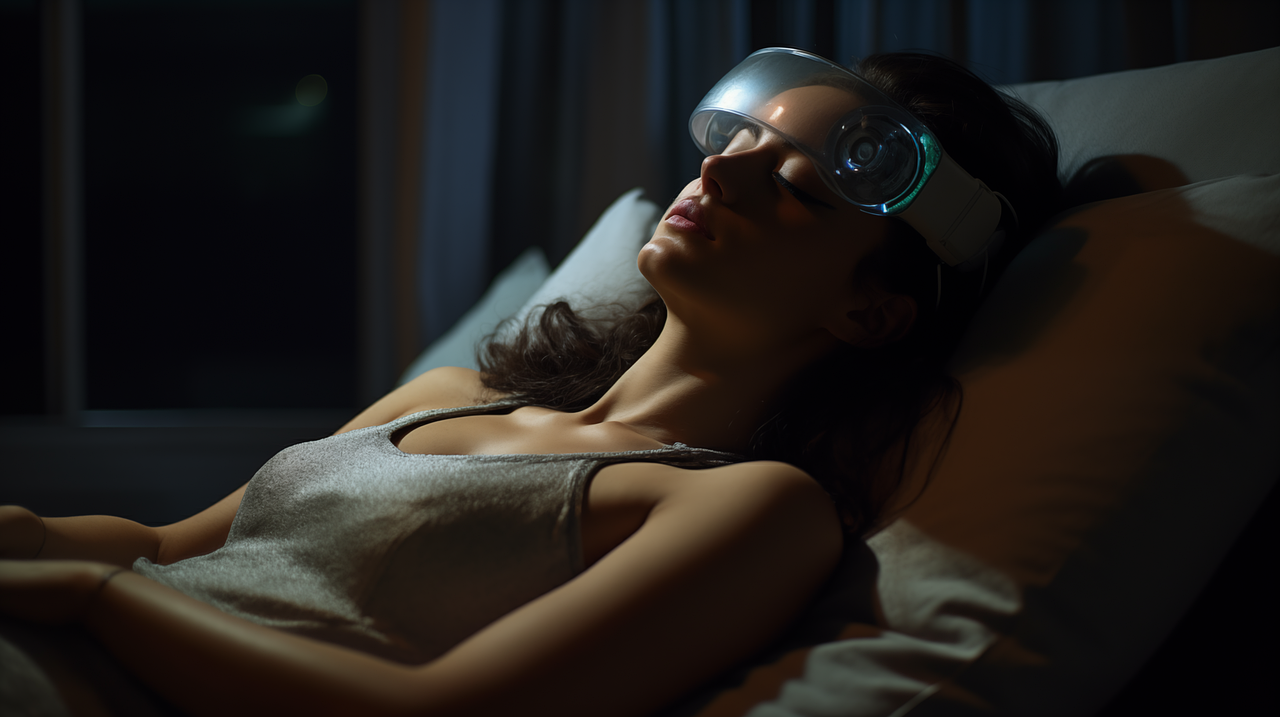
Another innovative application of technology in sleep improvement involves virtual reality (VR). Research indicates that immersive experiences can promote relaxation and lead to better sleep. VR programs designed to reduce anxiety and stress have emerged, enabling users to escape from daily worries. Using guided relaxation techniques, users can immerse themselves in soothing environments that promote tranquility. This immersive experience can decrease heart rates, making it easier to fall asleep. Additionally, VR has potential therapeutic uses for dealing with post-traumatic stress disorder (PTSD), which often disrupts sleep patterns. By simulating calming environments, VR can decrease the severity of symptoms that lead to sleep disturbances. Furthermore, a promising area is sound therapy, which utilizes specific sound frequencies to promote relaxation and better sleep quality. White noise machines and nature sounds can mask disruptive external noises, creating a peaceful environment conducive to sleep. Sleep science continuously explores sound’s impact on rest, suggesting that certain frequencies might aid in deeper sleep cycles. The future of sleep technology is ripe with exciting possibilities to explore, offering new avenues for enhancing overall sleep health.
Combining these technologies can amplify their effectiveness. For instance, wearing a sleep tracker while using relaxation apps could offer a comprehensive sleep solution. Individuals could monitor their sleep while engaged in therapeutic practices, identifying what works best. Personalized data allows for dynamic adjustments, helping users refine their nighttime routines. An important aspect of technology in sleep improvement includes community support. Online forums and groups enable users to share experiences and insights regarding their journeys with sleep issues. This allows users to find solidarity among others facing similar struggles, increasing motivation. Both technology and community can empower those dealing with sleep disorders, reducing feelings of isolation. Moreover, insights gathered from collective experiences can inform further advancements in technology. As companies pursue innovative solutions, user feedback and data can guide the design of more effective tools. This ongoing relationship between users and technology is vital for continued improvement in sleep health. As more tools become accessible, the path to understanding and overcoming sleep disorders becomes clearer. Individuals looking to improve their sleep can now leverage these advancements, leading to a better quality of life overall.
Future Implications and Considerations
While technology immensely benefits sleep improvement, challenges remain. The abundance of sleep tech presents a paradox of choice, making it difficult for users to identify the best tools for their needs. Comprehensive education on each technology’s purpose and effectiveness is crucial. Proper guidance can ensure users maximize their investment and avoid frustration stemming from ineffective solutions. Additionally, privacy considerations must be prioritized. Sleep data is extremely personal and sensitive, potentially impacting privacy if mishandled. Companies must adopt strict data protection policies and transparent practices regarding data usage and storage. Users must remain vigilant about the applications they choose, understanding their data’s safety implications. Moreover, technology should not completely replace traditional methods of sleep improvement such as behavioral adjustments. Combining technology with established practices creates a holistic approach to sleep enhancement. Clients can work with healthcare providers to integrate technology into broader health strategies effectively. This balanced approach honors the advancements technology brings while recognizing the importance of personal responsibility in health. Ultimately, the challenge lies in advancing technology while safeguarding individual wellbeing and enhancing the quality of sleep.
As we look to the future, the conversation around technology and sleep is poised to evolve. Innovations will continue to emerge, focusing on simplifying sleep solutions for the average user. Whether through more intuitive wearable technology or smarter algorithms in apps, the potential for tailored sleep solutions is vast. Society must embrace these changes, prioritizing sleep in health discussions. Future generations may view technology as intrinsic to sleep health management, understanding its role in their wellbeing. Schools and workplaces may integrate awareness programs that educate individuals about sleep hygiene and available technologies. This proactive approach could foster healthier communities and reduce instances of chronic sleep deprivation. Additionally, more research is needed to further explore the impacts of technology on sleep. By collaborating across industries, researchers and developers can create more effective solutions tailored to individual needs. These partnerships will propel understanding and innovation in sleep science, paving the way for more effective sleep improvement approaches. In conclusion, embracing technology while prioritizing personal responsibility may foster a healthier society. Individuals can harness these tools to combat sleep disorders effectively, leading to improved quality of life through restorative sleep.
Conclusion
In summary, technology has transformed how we approach sleep disorders, offering innovative tools for monitoring and improving sleep. From sleep trackers and mobile applications to therapeutic approaches like VR, the options available have made intervention more accessible than ever. This advancement is crucial for those facing sleep challenges, enabling a proactive approach to sleep health. As technology progresses, the ongoing pursuit should focus on enhancing efficacy and accessibility. Creating a supportive community around sleep technology can further enrich individual experiences, guiding users toward successful outcomes. Society must address the complexities surrounding data privacy, ensuring users feel safe while utilizing these technologies. The significance of combining advanced tools with traditional good sleep practices cannot be overstated; this balanced approach will yield the best results. Additionally, encouraging open discussions on sleep health can diminish stigma, promoting awareness of these issues. Emphasizing sleep’s importance in overall health will shape the future, cultivating healthier generations that prioritize restorative sleep. Technology can indeed be a powerful ally in combatting sleep disorders, enhancing our understanding and management of this essential aspect of health. The journey toward better sleep is ongoing, but with these tools, hope is on the horizon.
As technology advances, parents and educators also have a responsibility to guide children toward healthy sleep habits early on. Teaching children about the importance of sleep, how our bodies need it to function, and how technology can assist them can shape a brighter future. Schools may introduce lessons on managing sleep and stress through technology in the curriculum. Encouraging children to engage with technology responsibly gives them agency over their health. Overall, the future of technology in sleep health seems promising, backed by ongoing research and user engagement. Exciting innovations are on the horizon that can further individualize sleep solutions. By giving them the right tools and knowledge, people are empowered to take control of their own sleep. That empowerment plays a crucial role in leading to long-term improvements in sleep quality. In time, we can expect a harmonious blend of manual techniques and technological advancements that prioritize and promote sleep wellness. With the right blend of tools, transparency, and community support, technology’s role in sleep improvement will undeniably continue to flourish.