
Best Vegetables to Include in Your Weight Loss Meals
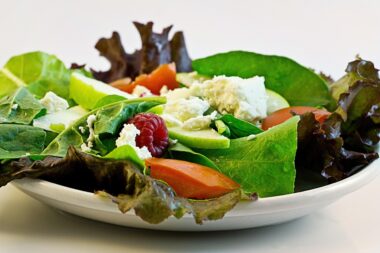
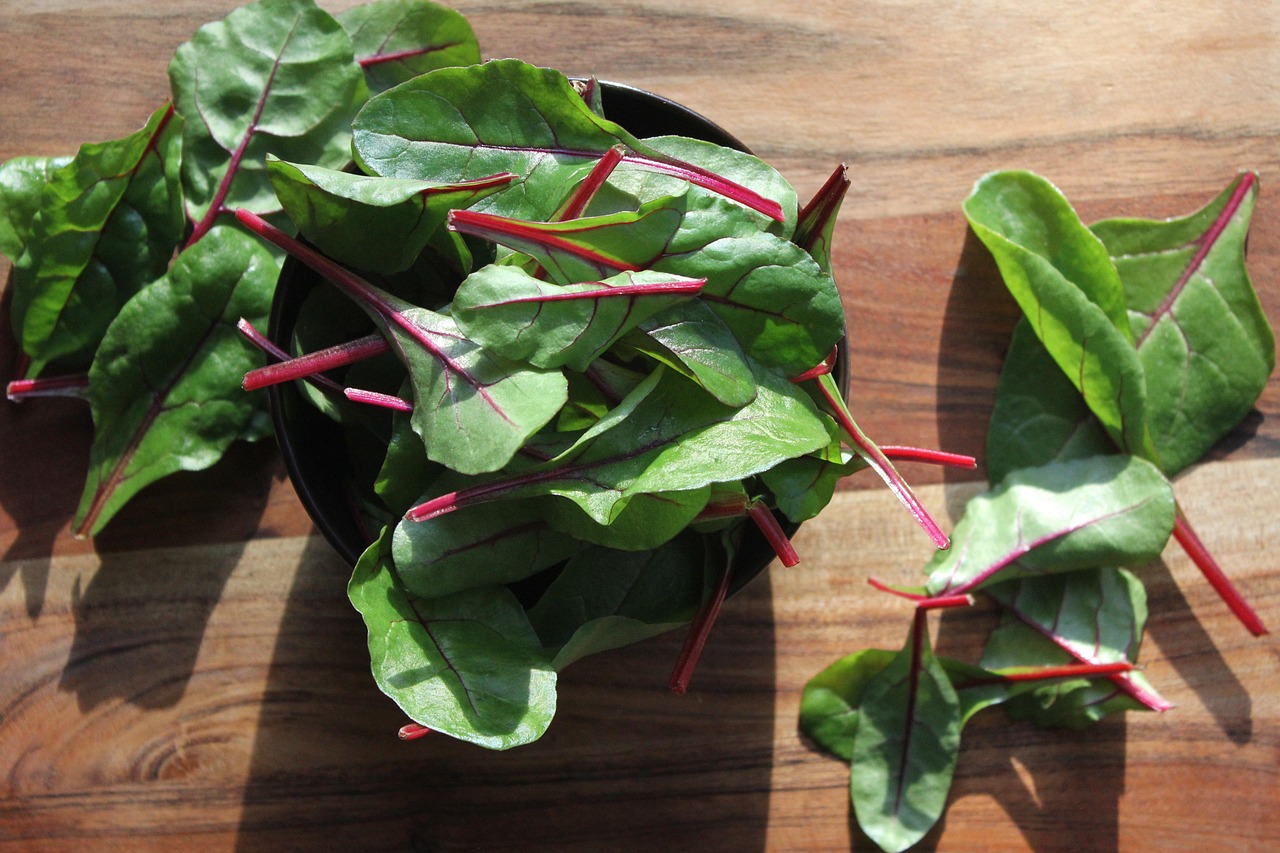
Including a variety of vegetables in your weight loss meals is vital for achieving and maintaining a healthy weight. Vegetables are typically low in calories and high in essential nutrients, making them an integral part of any sustainable diet. Leafy greens, such as spinach and kale, are excellent choices due to their high fiber content and low energy density. Cauliflower is another versatile vegetable; it can be used as a rice substitute or in mashed form to reduce carbs. Broccoli is also rich in vitamins and minerals, helping to keep you full longer while providing valuable nutrition. Incorporating vegetables into your meals can enhance flavor, texture, and nutritional value. Additionally, they can play a significant role in controlling hunger and maintaining metabolic health. Be creative with vegetable preparation to keep meals interesting and enjoyable, ensuring weight loss becomes a more effortless journey. Remember, a colorful plate not only looks appealing but also signifies a range of health benefits provided by various vegetables. In particular, aim for vibrant colors to maximize nutrient intake in your daily diet.
One of the best vegetables to add to your weight loss meals is zucchini. This squash is incredibly versatile and can be used in salads, stir-fries, or even in baked goods. Its high water content ensures hydration and allows for fewer calories without sacrificing volume. Sweet potatoes are another fantastic option; they are packed with complex carbohydrates and fiber, promoting satiety. They also offer a natural sweetness and can be prepared in several ways, from roasting to mashing. Bell peppers, particularly the colorful varieties, are perfect for adding crunch and flavor to dishes. They’re low in calories and high in vitamin C. Carrots offer another great source of fiber, helping to maintain digestive health while satisfying sweet cravings. They can be eaten raw, cooked, or blended into smoothies. Don’t forget about tomatoes; they are rich in lycopene, an antioxidant that supports heart health. Finally, consider incorporating asparagus into your meals; it is low-calorie and enhances the overall flavor while providing fiber.
Fiber-Rich Vegetables for Weight Management
Fiber-rich foods are exceptionally beneficial for anyone pursuing weight loss. One of the top contenders in this category is artichokes, which are packed full of fiber, making them a filling choice. Not only do they promote intestinal health, but they also help to keep you full longer. Green peas are another fiber powerhouse that can be easily included in various dishes, from soups to salads. They add a sweet flavor while providing protein and keeping you satiated. Brussels sprouts are often overlooked but are fiber-rich vegetables that also contain essential nutrients. They can be roasted for a crispy texture and a fantastic taste, making them a delightful side dish. Additionally, beans, such as kidney beans and black beans, are excellent sources of fiber and protein, making them terrific additions to stews and salads. Incorporating these fiber-rich vegetables into your weight loss meals can enhance overall satiety, allowing you to enjoy your food while remaining on track with your goals.
Another wonderful vegetable for weight loss is cabbage, which is low in calories and high in vital nutrients. It can be eaten raw in salads or cooked, making it a versatile ingredient in various cuisine styles. Radishes are crisp and refreshing; they provide a peppery flavor and can be enjoyed raw in salads or as a crunchy snack. They are incredibly low in calories and boast high water content. Mushrooms are also beneficial; they can act as meat substitutes, adding texture to your meals while reducing overall calorie intake. They are rich in various antioxidants and help enhance immunity. Furthermore, eggplant, often used in Mediterranean dishes, can be a filling food high in fiber that contributes to blood sugar regulation. Its unique texture absorbs flavors beautifully, making it perfect for various preparations. Incorporating these vegetables into your meals will not only help you remain satisfied but also ensure you’re getting the nutrients needed for a well-rounded diet while pursuing your weight loss goals.
Creative Ways to Use Vegetables
Finding creative methods to include vegetables in your weight loss meals can make the experience enjoyable. One delicious idea is to make vegetable smoothies, where you can blend spinach, kale, or cucumbers with fruits and yogurt for a nutritious breakfast or snack. Another method is spiralizing vegetables such as zucchini or carrots to create ‘noodles’ for pasta dishes, resulting in lower-carb alternatives. Roasting a mix of seasonal vegetables with herbs and spices provides a fantastic meal idea with enhanced flavors. Furthermore, stuffed peppers filled with quinoa and lean proteins, topped with diced tomatoes, can serve as an entire meal packed with nutrients. Preparing vegetable soups can also be an outstanding way to increase vegetable intake; pureeing them creates a creamy texture without adding heavy calories. Grilled or sautéed vegetables can serve as delicious sides or toppings for proteins, improving the overall meal quality. Lastly, consider making vegetable fritters that can act as healthy snacks or lighter meal options. These innovative ideas ensure you enjoy your meals while sticking to your weight loss goals.
Meal prepping with vegetables allows you to easily enjoy healthy meals throughout the week. You can chop or roast a selection of veggies ahead of time, providing quick options for salads, stir-fries, and snacks. Including broccoli and carrot sticks as prepared snacks can provide a satisfying crunch while staying nutritious. Consider organizing meal components in separate containers so you can mix and match veggie combinations easily. Utilizing freezer-friendly vegetables like spinach or bell peppers can ensure you always have something on hand. These can be quickly added to soups or pasta dishes for additional nutrients without extra effort. Focus on seasonal vegetables that can provide freshness and flavor during your meal prep. Having a variety to choose from encourages you to consume a wider range of nutrients. Don’t forget to experiment with seasonings, herbs, and healthy dressings to transform simple veggies into flavorful dishes. This approach not only saves time during busy weeks but also supports your weight loss journey by making healthy eating more accessible and enjoyable.
Conclusion: Embracing a Vegetable-Rich Diet
Embracing a vegetable-rich diet is essential for effective weight loss and overall health. Including a diverse array of vegetables in your meals provides your body with vital nutrients while satisfying your need for variety and flavor. As discussed, vegetables like zucchini, sweet potatoes, and leafy greens can contribute significantly to your weight loss efforts. It’s crucial to find enjoyable ways to incorporate these powerful foods into your diet, whether through creative recipes or meal preparations. By viewing vegetables as allies rather than restrictions, you can cultivate a more positive relationship with food. This shift in perspective can foster a sustainable lifestyle change. Experimenting with flavors and textures will keep your meals exciting. In conclusion, remember that a healthy weight loss journey is not only about cutting calories but also about nourishing your body. Make vegetables the centerpiece of your meals, empowering yourself to take charge of your health in delicious ways. Utilize the strategies and tips discussed here for crafting satisfying meals while achieving your weight loss goals.
Through embracing these nutritious elements in your diet, weight loss can become a naturally enjoyable process instead of a struggle. The benefits extend beyond just losing pounds; vegetables contribute to improved overall well-being and health. By focusing on vibrant, nutrient-rich produce, you can achieve your weight loss goals while increasing your energy levels and promoting longevity in your life. Incorporate the suggested vegetables into your meal plans, experiment with new recipes, and involve your family to create healthy habits together. By establishing a balanced diet filled with wholesome veggies, you not only enhance your physical health but also make positive contributions to your mental and emotional wellbeing.