
Combining Nutrition and Home Workouts for Optimal Health
In today’s fast-paced world, achieving optimal health can feel challenging. However, one effective approach involves the combination of home workouts and proper nutrition. Engaging in exercise while maintaining a balanced diet provides the body with the necessary nutrients to perform and recover effectively. When considering home workouts, it’s essential to develop a structured routine that fits your lifestyle. This routine should encompass various exercises, including strength training, cardio, and flexibility workouts. Moreover, combining these physical activities with proper nutrition can significantly enhance performance and health outcomes. Meal planning and preparation can be beneficial, allowing you to maintain consistent healthy eating habits. A strategic focus on lean proteins, whole grains, healthy fats, and plenty of fruits and vegetables will serve to fuel your body for workouts. Assessing your calorie intake and adjusting it based on your fitness goals, either weight loss or muscle gain, is crucial. By maintaining a sound diet and consistent exercise routine, one can steadily progress towards their health goals. Don’t forget to listen to your body and adjust your nutrition or workouts based on your individual needs.
The Importance of Nutrition in Fitness
The synergy between nutrition and exercise cannot be overstated. Good nutrition not only supports physical performance during workouts but also aids in recovery afterwards. Consuming the right nutrients helps sustain energy levels, which is crucial during high-intensity home workouts. Carbohydrates, for example, are an essential fuel source for your workouts. Incorporating whole food sources such as oats, brown rice, and sweet potatoes can enhance workout performance significantly. Additionally, post-workout nutrition is vital for recovery. Incorporating protein-rich foods like chicken, beans, or protein shakes can help repair and build muscle. Healthy fats such as avocados, nuts, and olive oil play an important role in providing sustained energy and supporting overall health. Hydration should also not be overlooked, as it is essential for optimal performance during any exercise regimen. Not consuming enough water can lead to decreased energy, performance, and even increased injury risk. Therefore, developing a good hydration routine, alongside a balanced diet, can greatly contribute to achieving specific fitness goals and maintaining overall health.
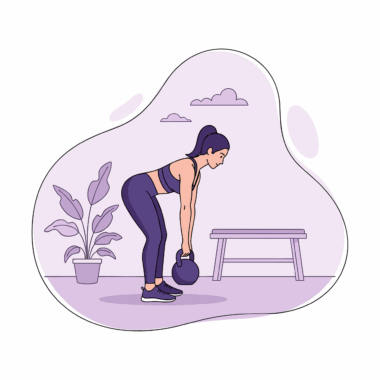
Creating an effective workout routine at home requires clear objectives and a structured plan. Start by identifying your fitness goals, whether they are weight loss, muscle gain, or general fitness. A well-rounded home workout plan should include elements such as strength training, cardio, and flexibility exercises. For strength training, bodyweight exercises like push-ups, squats, and lunges are effective and do not require equipment. Incorporating resistance bands or dumbbells can further enhance these workouts, providing additional challenge and variety. For cardio, try jumping jacks, running in place, or dancing to your favorite music, as these options can elevate your heart rate and improve endurance. Additionally, incorporating yoga or stretching exercises can promote flexibility and prevent injuries. Aim to work out at least three to five times a week, allowing for recovery days between sessions. Keeping track of progress can help maintain motivation, whether it’s through journaling, apps, or social media. Consistency is key, and incorporating variety in your workouts can prevent boredom and stimulate continuous improvement of your fitness journey.
Meal Planning for Results
Meal planning plays a pivotal role in harmonizing workouts with nutrition for optimal health. Taking time each week to plan meals can ensure you have healthy options readily available. Start by crafting a balanced meal plan that incorporates all necessary food groups. A meal prep strategy allows you to prepare several meals in advance, reducing the temptation to opt for unhealthy convenience foods. Consider dedicating a day to meal prep, where you can cook and portion out meals. This approach saves time throughout the week and ensures you stick to healthy eating habits. Use containers to store meals in manageable portions that align with your workout schedule. Plan for snacks as well, including options like yogurt, fruit, or nuts to maintain energy and prevent overeating at mealtimes. It’s also beneficial to experiment with different recipes to keep meals exciting and enjoyable. By being mindful of what you consume, you can influence your performance positively and enhance recovery post-workout. Remember, the goal is to create a sustainable routine that nourishes both body and mind, strengthening your commitment to fitness.
Incorporating variety into your home workouts can keep both your mind and body engaged. Repeating the same exercises can lead to a plateau, where you no longer see progress. To prevent this, introduce new exercises, change up the intensity, or switch your workout formats. This could mean alternating between circuit training, HIIT, or targeted strength training sessions. Implementing different forms of exercise not only challenges muscles in various ways but also keeps workouts fresh and interesting. To further enhance your routine, consider including workout classes available online, which can provide structured guidance while you train at home. Additionally, schedule outdoor activities such as jogging, hiking, or cycling to enjoy the benefits of fresh air. Incorporate social elements, working out with a friend or family member for motivation and accountability. Developing a dynamic routine can prevent boredom and promote sustained engagement in your fitness journey. Listening to your body and making adjustments based on how you feel is essential. Focus on enjoying the process as you balance nutrition and workouts, leading to improved health and overall well-being.
Tracking Progress and Motivation
Tracking progress is crucial to staying motivated and focused on your fitness goals. Documenting your workouts and nutrition can reveal patterns and areas for improvement. Start by establishing baseline measurements, such as weight, body measurements, or fitness performance metrics like the number of push-ups or time taken to complete a workout. Regularly updating this information can provide tangible indicators of progress, fueling your motivation to continue. Consider using apps or journals designed for this purpose, as they can simplify the process and provide a visual representation of achievements over time. Moreover, set small, achievable goals along the way, celebrating milestones achieved. This could involve consistently hitting your workout targets or improving your meal prep routine. Sharing your journey with others online can create a support network, motivating you to stick with your plan. Remember that fitness is not solely about numbers; listen to how you feel, too. Improvements in mood, energy levels, and overall health are significant indicators of success. Staying flexible and adapting your routine based on personal feedback will contribute to a sustainable and enjoyable fitness journey.
In summary, combining nutrition with effective home workouts establishes the foundation for optimal health. It requires dedication and a clear plan for both exercise and dietary habits. Focus on developing a balanced, nutritious meal plan and a dynamic workout routine that aligns with personal goals. Embrace the importance of hydration and be mindful of nutritional choices to enhance performance during workouts. Regularly tracking both workouts and meals can lead to increased accountability and motivation. This combination helps in making informed decisions, ensuring your body gets the nutrients it needs for energy and recovery. Consider setting specific goals and adjusting them as needed to remain engaged and challenged. Remember, the path to a healthier lifestyle is gradual; celebrate every step toward your ultimate objectives. Lastly, don’t hesitate to seek professional guidance if necessary, whether it’s a personal trainer for workouts or a dietitian for meal planning. Living a healthy life is a journey rather than a destination, and the balance of nutrition with exercise is an essential part of achieving lifelong wellness. Actively pursue your health goals and enjoy the process of becoming the best version of yourself.
Tips for Long-Term Success
To ensure success in merging nutrition with home workouts, consistency is paramount. Create a routine that’s not only effective but also enjoyable. This means incorporating exercises and meals that you genuinely like, preventing burnout or neglect. Maintain flexibility within your schedule to adapt as needed; this adaptability ensures ongoing engagement without overwhelming your daily life. Educating yourself about nutrition and different workout methods can be immensely beneficial. Knowledge empowers you to make informed choices about what to eat and how to exercise, potentially increasing your success rate. Engage with community groups online or locally, which can provide support and accountability. Share tips, recipes, and experiences to foster motivation and camaraderie among peers. As challenges arise, embrace them as opportunities to learn, adjust, and grow stronger in your approach to fitness. Lastly, remember to prioritize rest and recovery as they are crucial for long-term sustainability. Allowing your body time to recuperate can prevent injury and promote overall well-being. Ultimately, the key to a healthier lifestyle is balance, enjoyment, and the willingness to adapt and learn along the journey toward optimal health.