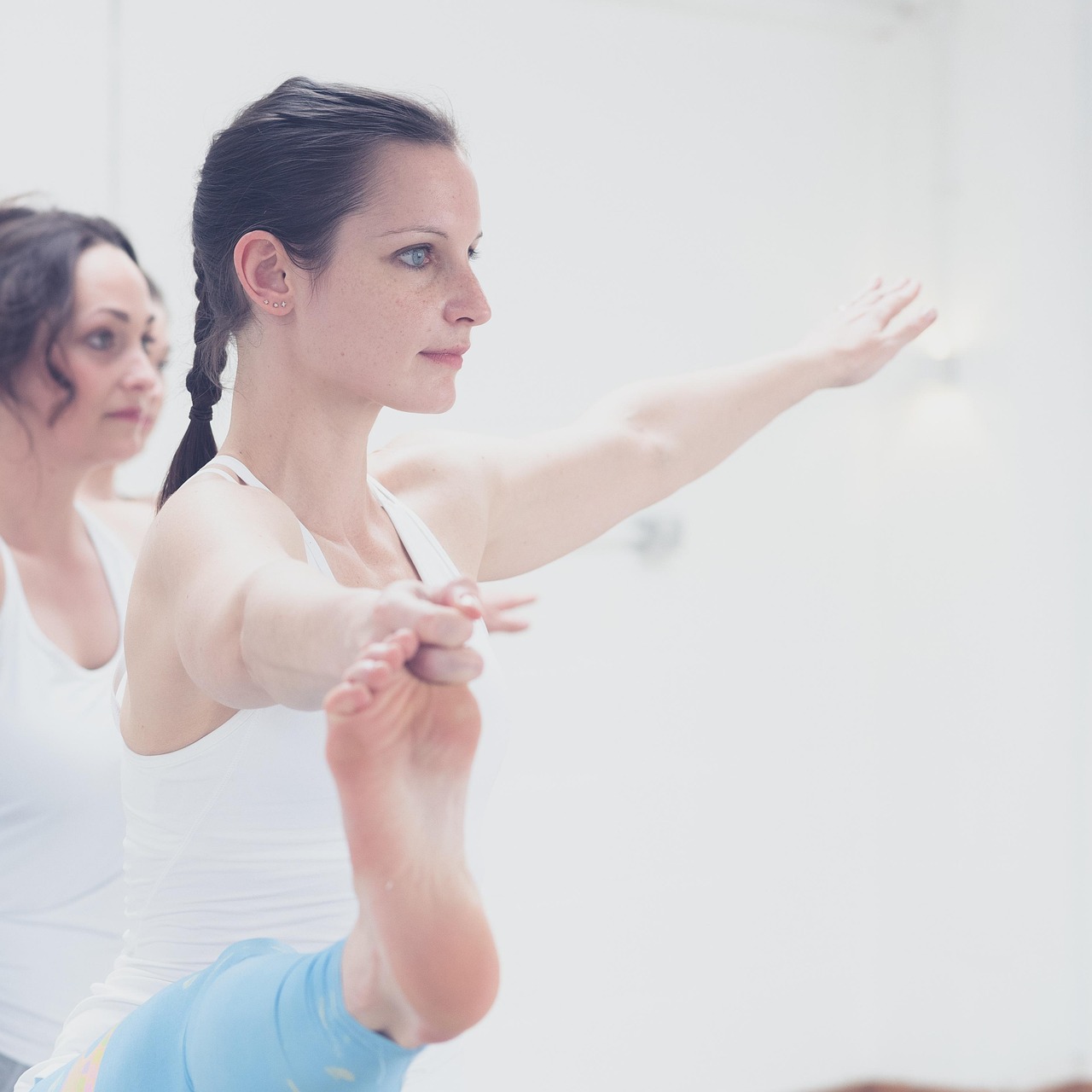

Flexibility Exercises to Boost Athletic Performance
Flexibility exercises are essential for athletes looking to improve their overall performance. These exercises help in enhancing range of motion, reducing injury risk, and ensuring optimal muscle function. Engaging in a consistent flexibility routine can make a significant difference not just in physical performance but also in recovery time after intense workouts. It’s crucial to incorporate flexibility training as part of a comprehensive fitness program. By targeting all major muscle groups, athletes can ensure balanced development and improved athleticism. Key movements like static stretches, dynamic stretches, and various yoga postures can be incredibly beneficial. Athletes should also consider their specific sports’ demands when designing a flexibility exercise program. Addressing muscle tightness in particular areas that are used more heavily during competition will yield the best outcomes. Moreover, regular flexibility work enables athletes to execute their movements with better efficiency and power, translating into better performance on the field or court. Thus, flexibility should not be overlooked in training regimens as it is a foundational aspect that supports strength and agility.
To effectively carry out flexibility exercises, the timing and type of stretches are important considerations. Engaging in dynamic stretching before workouts can help prepare muscles for the rigors of physical activity. Examples include arm circles, leg swings, and torso twists. These movements warm up the body, improving blood flow to the working muscles and elevating heart rate. On the other hand, static stretching should be reserved for after workouts or during cooldown sessions. Stretching while the muscles are warm allows for greater elasticity and depth in stretches. Some popular static stretches such as the hamstring stretch, quadriceps stretch, and shoulder stretch can profoundly enhance flexibility. To further improve overall performance, athletes can include proprioceptive neuromuscular facilitation (PNF) stretches, which involve a combination of stretching and contracting the targeted muscle group. This stretching technique can yield even greater flexibility than other methods. Remember, flexibility work should be adjusted to individual abilities, avoiding overstretching, and respecting the body’s limits to prevent injuries.
The Importance of Warm-Up
A proper warm-up protocol establishes a foundation for effective flexibility exercises. A warm-up activates the body and prepares it for intense physical activity. This process releases synovial fluid into the joints, increasing joint mobility and reducing stiffness. Moreover, warming up elevates core body temperature, leading to improved muscle elasticity. Before commencing flexibility exercises, it’s beneficial to include light aerobic activities, like jogging or cycling for 5 to 10 minutes. By providing adequate blood flow, the body becomes ready for stretching. Additionally, integrating light dynamic movements specific to the sport can enhance flexibility and decrease muscle tightness. Utilizing a combination of static and dynamic stretches during the warm-up will ensure that athletes are thoroughly prepared for the workout ahead. Focused stretching sessions afterward can further develop flexibility and elevate performance. Always remember that an effective warm-up is key to ensuring that athletes can achieve peak performance levels while minimizing injuries. Thus, dedicating time to an adequate warm-up routine is paramount for maximizing the benefits of flexibility exercises.
Incorporating flexibility exercises into a training regimen requires a strategic approach tailored to individual athletes’ needs. Some may need to focus on segments such as hip flexors, hamstrings, or shoulders, areas heavily engaged during athletic activities. Regular assessments can help identify tight areas and guide athletes toward necessary adjustments in stretching routines. It’s recommended to hold stretches for 15 to 60 seconds, depending on individual flexibility levels and overall capacity. Implementing these exercises 3 to 4 times a week can promote significant gains over time. Additionally, incorporating foam rolling can enhance the effectiveness of flexibility routines. Foam rollers help release muscle tightness by applying pressure to tender areas, complementing traditional stretching techniques. This combination can lead to lower levels of soreness and improved range of motion. Maintaining a consistent schedule aids in building lasting habits around flexibility. Athletes should also keep in mind that flexibility is an ongoing process that requires commitment. By making flexibility training a regular aspect of their routines, athletes can ensure their muscles remain agile and responsive to training demands.
Cool Down Exercises
Cooling down plays a vital role in the overall effectiveness of flexibility training. Post-activity cooldown sessions provide opportunities to perform static stretching exercises, allowing muscles to return to their resting state. These cooldowns help gradually lower the heart rate and promote relaxation, which is pivotal in recovery. Including stretches targeting muscles worked during the physical activity can help alleviate tension and prevent stiffness. For instance, after a running session, focusing on the calves, quads, and glutes ensures that these muscles receive the attention they need. Moreover, deep breathing during cooldowns encourages relaxation and enhances muscle recovery. Remember, cooldowns should never be rushed; dedicating enough time to them is essential for maximizing benefits. Taking the time to stretch and relax allows the body to recover effectively, making flexibility exercises more beneficial. Athletes should prioritize the recovery portion of their training as much as their workouts. As flexibility becomes ingrained within cooling down, athletes will likely see improvements in their overall performance and decreased injury risks.
Practicing flexibility exercises doesn’t only contribute to athletic performance; it also enhances overall wellbeing. Regular stretching activities can improve circulation, leading to better nutrient delivery to muscle tissues. Enhanced circulation can be particularly beneficial for athletes, as it promotes faster recovery post-exercise. Increased flexibility can lead to improved posture and body alignment, which can alleviate pain from injuries and tightness. Athletes tackling longer training sessions require effective recovery strategies; flexibility work supports this by decreasing muscle soreness and tension. Furthermore, flexibility positively affects core strength as balanced muscle groups promote a stable body. Emotional benefits accompany regular flexibility training, as it incorporates mindfulness and relaxation techniques through controlled breathing. These moments can help reduce stress and enhance focus. Incorporating yoga or Pilates into flexibility routines can further enrich the experience, blending physical activity with mental peace. Establishing a lifestyle that prioritizes flexibility exercises ensures that athletes enjoy long-lasting benefits in both performance and quality of life.
Conclusion
In summary, flexibility exercises are imperative for athletes pursuing enhanced performance levels. By prioritizing stretching routines, athletes can ensure the longevity of physical abilities while reducing injury risks. Consistency is key, as is understanding one’s body and its limitations. Engaging in regular warm-up and cooldown sessions fortifies the benefits of flexibility training and prevents unnecessary strain. A personalized approach to flexibility that targets specific muscle groups can yield favorable outcomes, paving the way for athletic success. Moreover, integrating various stretching techniques, such as static, dynamic, and PNF, will optimize results. The emotional and physical wellbeing benefits of flexibility practices extend beyond just athletics, contributing to overall quality of life. As athletes increasingly recognize the importance of these exercises, they will undoubtedly enhance their performance during training and competition. Remember, flexibility is not merely an add-on to training; it is a fundamental component that should be woven into every athlete’s regimen. Thus, a commitment to flexibility exercises will support long-term success and maintain athleticism.
Emphasizing the importance of flexibility not only encourages improved athletic performance but also fosters discipline among athletes. Those who make stretching a routine are often more in tune with their bodies and aware of areas needing attention. This mindfulness may translate into heightened overall physical awareness and longevity in sports. Developing flexibility takes time and patience, so athletes must maintain a positive mindset. By incorporating this fundamental aspect into their training, they can witness gradual yet significant improvements. A mindful approach to flexibility encourages athletes to connect with their bodies, promoting a holistic perspective of their fitness journey. Ultimately, the journey to improved flexibility contributes to overall success in many ways. Achieving flexibility serves to elevate performance in athletics while also enriching physical and mental health. As competitive environments continue evolving, athletes prioritizing flexibility ultimately gain a distinct advantage. This blend of physical readiness and mental composure empowers athletes to reach peak performance levels. Thus, dedication to flexibility not only enhances athleticism but signifies a commitment to overall health and personal excellence.