
The Science Behind Vegetarian Diets and Endurance Sports
Engaging in endurance sports often demands a meticulously planned diet. This is especially true for athletes adopting a vegetarian lifestyle. A carefully structured vegetarian diet can provide the necessary energy and nutrients for optimum performance. While some may presume that vegetarianism limits protein intake, ample plant-based sources exist. These include legumes, tofu, lentils, nuts, and seeds, which can be excellent protein alternatives for athletes. It’s essential to focus on protein quality and ensure that athletes consume a variety of these sources to obtain all essential amino acids. Furthermore, complex carbohydrates are crucial for endurance athletes since they provide a steady energy supply. Foods like whole grains, sweet potatoes, and other root vegetables are beneficial choices. Additionally, vitamins and minerals play vital roles in maintaining overall health and performance. Vegetarians must be aware of potential deficiencies in nutrients such as iron, calcium, and vitamin B12. Integrating a wide variety of colorful fruits and vegetables into meals not only enhances overall nutrition but also ensures adequate intake of vital antioxidants. Proper supplementation can also help mitigate any nutritional gaps for vegetarian athletes.
Nutritional Considerations for Vegetarian Athletes
Understanding the unique nutritional needs of vegetarian athletes is crucial. Vegetarian diets can promote improved cardiovascular health, reduced inflammation, and enhanced recovery. Athletes must ensure sufficient intake of both macronutrients and micronutrients to support their performance. Primarily, they should focus on protein sources to repair muscle tissue post-exercise. Legumes like chickpeas and black beans, combined with quinoa and brown rice, create a complete protein profile. Moreover, incorporating healthy fats from avocados, nuts, and seeds can help meet caloric needs while supporting metabolic functions. For carbohydrates, whole grain pasta, oats, and fruits are excellent sources that fuel long training sessions. Hydration also plays a pivotal role in athletic performance. Maintaining fluid intake is essential for optimal physical function during endurance workouts. Additionally, electrolytes like potassium, sodium, and magnesium can be lost through sweat and need to be replenished. For those involved in longer events, electrolyte-rich drinks or snacks can make a significant impact on performance. Overall, a well-planned vegetarian diet can effectively meet all the needs of endurance athletes.
Micronutrient intake is also a key component of a successful vegetarian diet for endurance athletes. Certain vitamins and minerals can significantly influence physical performance and recovery. For instance, iron plays a crucial role in oxygen transport and energy metabolism. Vegetarian athletes should consider including iron-rich foods such as spinach, fortified cereals, and lentils in their daily meals. Furthermore, pairing vitamin C-rich foods like citrus fruits with iron sources enhances absorption. Similarly, calcium is essential for bone health, particularly in athletes who partake in high-impact sports. Sources such as fortified plant milk, almonds, and leafy greens should be integral to their diet. Additionally, vitamin B12, primarily found in animal products, can be challenging to obtain for vegetarians. It is often advisable to supplement B12 or consume fortified foods to prevent deficiency. A well-rounded diet that includes various colors and types of produce also provides a wealth of phytonutrients, which have antioxidant properties. These antioxidants can aid in reducing exercise-induced oxidative stress and inflammation. Implementing these strategies is vital for vegetarian athletes looking to improve their endurance sports performance.
Protein Sources for Vegetarian Endurance Athletes
Identifying the best protein sources is essential for vegetarian athletes, particularly those engaged in endurance sports. High-quality protein not only supports muscle repair but also upholds metabolic functions vital for athletic performance. Among the best sources include beans, lentils, tofu, tempeh, and edamame. These foods are rich in protein while also providing valuable fiber, which can benefit digestive health. Incorporating varied sources of plant-based proteins will help achieve a balanced amino acid profile. Moreover, athletes may experiment with protein powders derived from peas, brown rice, or hemp. These protein supplements can be handy post-workout to aid muscle recovery, blending easily with smoothies. Another great option is quinoa, often referred to as a complete protein due to its unique amino acid profile. Furthermore, nuts and seeds, such as chia seeds and almonds, offer healthy fats alongside protein, making them excellent snacks. Utilizing nutritional yeast not only adds a cheesy flavor to dishes but also boosts protein intake while providing essential B vitamins. By understanding and nailing their protein intake, vegetarian endurance athletes can optimize their performance.
Understanding meal timing can greatly affect the performance of vegetarian endurance athletes. Consuming the right nutrients at strategic times allows athletes to optimize energy levels, recovery, and overall performance. Most sports nutritionists recommend fueling up before major training sessions with simple carbohydrates that are easily digestible. Options like bananas or oats can set the stage for endurance training. Following intense workouts, including a protein-rich snack within 30 minutes can expedite muscle recovery. Smoothies made with almond milk and protein powder can serve as a powerful post-workout meal. Furthermore, it is vital to remain mindful of pre-race meals. These should consist of familiar foods that have proven successful during training. Athletes should avoid trying new foods on race day, as they can lead to stomach issues and hinder performance. Maintaining a consistent eating schedule is equally essential. sp, training, and recovery. Regularly timed meals can help athletes manage energy levels throughout the day. By prioritizing meal timing, vegetarian athletes can substantially enhance their training and performance.
The Psychological Aspect of Vegetarian Nutrition
On the journey of mastering endurance sports, the psychological aspect of nutrition is often underrated. For vegetarian athletes, the mental adherence to their dietary choices becomes pivotal. Upholding a vegetarian diet requires commitment, especially in competitive environments where high-protein animal sources are readily available. Athletes may face social pressure or temptations that challenge their dietary restrictions. Building a mental resilience towards these temptations is crucial. Engaging in supportive communities or sharing meals with like-minded individuals can foster motivation and accountability. Additionally, staying informed about the benefits of vegetarian diets can strengthen their resolve. Reading literature or connecting with other athletes can provide reassurance and insights into successful vegetarian eating strategies. Equally important is undertaking a mindful approach towards food intake. This approach emphasizes recognizing hunger signals and appreciating the nutritional aspects of food choices. Keeping a food journal can help maintain focus on nutrient balance and overall goals. Ultimately, embracing the psychological side of vegetarian nutrition enables athletes to build a strong, unwavering foundation for their dietary commitment. By nurturing both the body and mind, vegetarian athletes can excel in endurance sports.
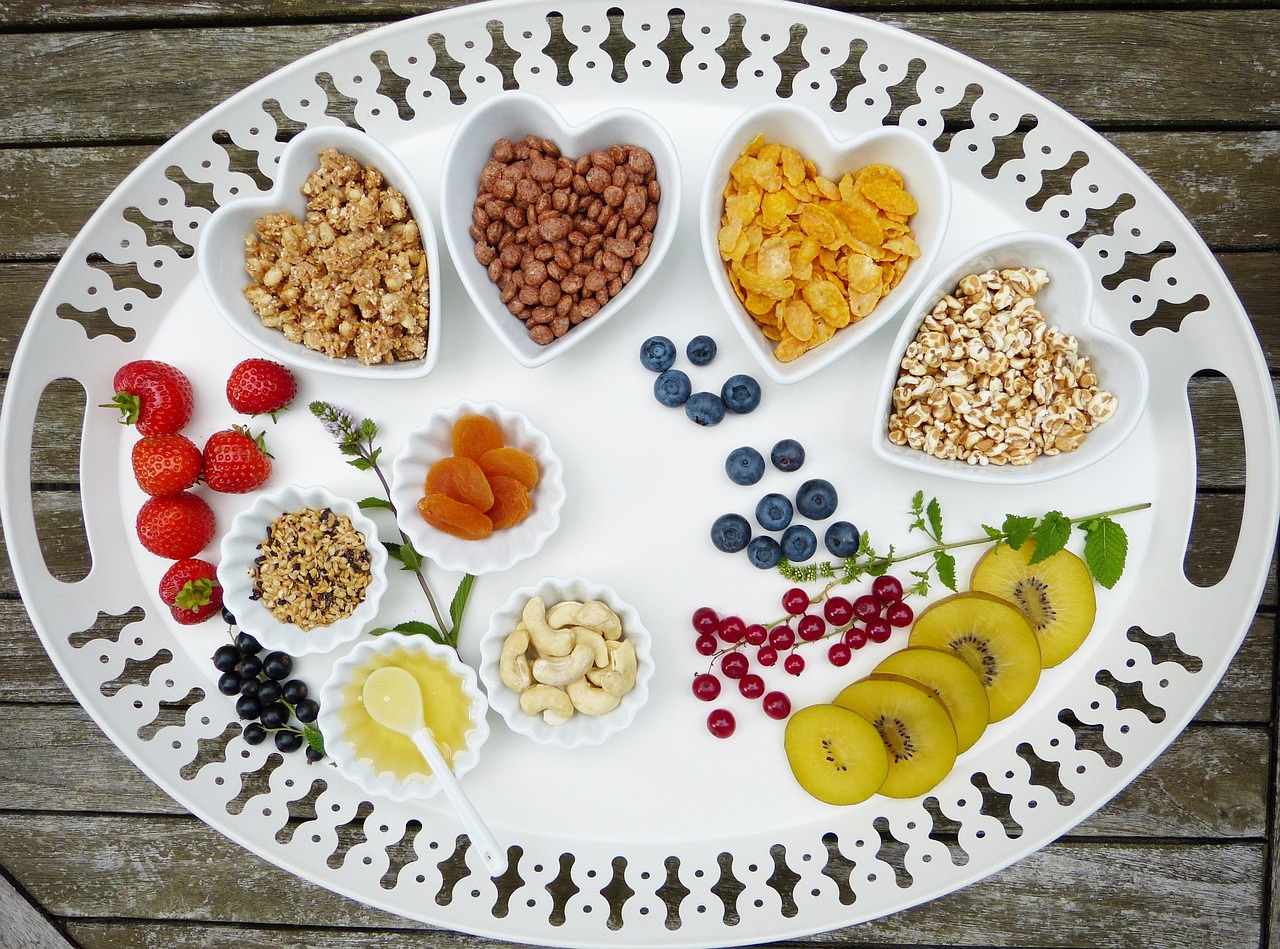
Exploring new recipes and meal ideas can keep a vegetarian athlete’s diet exciting and fulfilling. A consistent diet does not have to be monotonous. Incorporating diverse ethnic cuisines can inspire great plant-based meals. For instance, exploring Indian dishes rich in lentils or Middle Eastern recipes centered around chickpeas can yield delicious options. Experimenting with textures and flavors, such as adding roasted vegetables or spices, can boost culinary engagement. Meal prepping is also an effective strategy for busy athletes, allowing for healthy options readily available post-training. Creating in bulk and storing portions can reduce the temptation of unhealthy snacking. Resources like cookbooks, blogs, and cooking classes can provide inspiration for nutritional dishes. Moreover, the addition of colorful veggies and fruits ensures not only taste but visual appeal, enhancing the overall dining experience. Additionally, merging culinary creativity with nutrition establishes a positive relationship with food. By making meals vibrant and delectable, vegetarian athletes can maintain both satisfaction and nutritional focus. Keeping an open mind about trying new foods ensures a fulfilling vegetarian journey in endurance sports. Creativity in the kitchen can foster long-term dietary success.
Conclusion: Embracing Vegetarianism in Endurance Sports
Ultimately, vegetarianism offers numerous benefits for endurance athletes, combining health and performance. With proper planning and dedication, a vegetarian diet can support robust athletic endeavors without compromising nutrition. By being proactive in understanding nutrient needs, athletes can avoid common pitfalls associated with restrictive diets. Emphasizing diverse protein sources, balanced meals, and strategic meal timing is essential. As athletes navigate their sporting careers, embracing a food system that aligns with their values can fuel their passion while championing health. Regularly exploring new recipes and cultivating culinary creativity can maintain enthusiasm toward dietary choices. As they soar through marathons or long-distance cycling, embracing vegetarianism allows a stronger connection with their food sources and the environment. In conclusion, the foundational principles of a vegetarian diet align well with the needs of endurance sports. Through knowledge, experimentation, and commitment, vegetarians can truly achieve their athletic dreams while adhering to a diet that resonates with their ethical values. Adopting this lifestyle not only fuels performance but also supports the planet in a significant way, creating a positive cycle of health and sustainability.