
Exploring Calisthenics for Athletic Performance Improvement
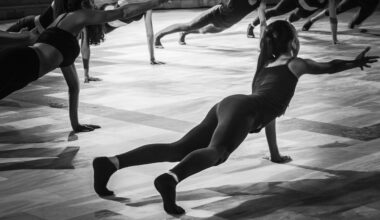
Bodyweight exercises, particularly calisthenics, have gained immense popularity among athletes looking to enhance their performance. Calisthenics allows individuals to leverage their body weight, providing a unique benefit of functional strength. The beauty of these movements is their accessibility; they can be performed anywhere without the need for equipment, which is crucial for athletes who travel frequently. Additionally, focus on control and stability in executing calisthenics can greatly improve body awareness and coordination. These attributes are invaluable in various sports where agility and precision are paramount. Furthermore, integrating calisthenics routines can assist in injury prevention by building resilient muscle and tendon structures. Athletes often overlook stability training, yet it forms a foundational component of athletic performance. Calisthenics not only enhances muscular endurance but also improves cardiovascular fitness through high-intensity routines. Thus, incorporating advanced bodyweight exercises into regular training can yield significant improvements in overall athletic capabilities and readiness. The specificity of calisthenics workouts can complement traditional strength training programs, enabling athletes to break through performance plateaus. For those considering bodyweight training, understanding its nuances is key to achieving desired performance outcomes.
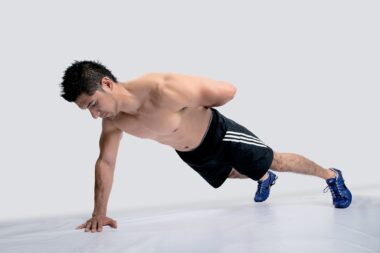
In advanced bodyweight training, understanding the principles of progression is essential. Each exercise needs to be modified or intensified to provide continuous challenges as strength and endurance improve. For instance, transitioning from basic push-ups to one-arm variations can add complexity and demand greater core stabilization and upper body strength. Similarly, squats can evolve into pistol squats for higher difficulty. Variations keep the body guessing, which stimulates muscle fibers in new ways, promoting hypertrophy and strength gains. Advanced athletes must also focus on compound movements; these require multiple muscle groups to work synchronously, maximizing functional training benefits. Examples include muscle-ups, planches, and handstand push-ups, which engage various muscle groups while honing body control. Additionally, the programming of workouts should incorporate critical elements: volume, intensity, and frequency. Athletes should consider employing different training phases, such as hypertrophy, strength, and endurance cycles, tailored specifically for their sport or performance goals. Ensuring adequate recovery between sessions is similarly vital to prevent overtraining and injuries. By understanding these important concepts, athletes can leverage calisthenics to improve their performance effectively, positioning themselves ahead of their competitors.
Incorporating Plyometrics for Enhanced Performance
Plyometric exercises can be seamlessly integrated into a calisthenics routine to improve power and explosiveness. Adding explosive movements such as clap push-ups, jump squats, or burpee variations challenges both strength and speed. This type of training is particularly effective for athletes in sports that require short bursts of energy, such as sprinting, basketball, or volleyball. The key to plyometrics is mastering the landing mechanics to ensure safety and effectiveness. Focusing on a soft landing helps in absorbing the impact and prevents injuries. A well-structured plyometric regimen should aim for a balanced approach, including both strength components and explosive actions. Athletes can benefit from low-volume, high-intensity plyometric sessions that enhance neuromuscular adaptations without compromising overall training quality. Moreover, exploring different variations offers new stimuli, keeping the workouts engaging. When well-coordinated with other calisthenics practices, these explosive movements can significantly enhance an athlete’s performance metrics. Combining plyometrics with controlled movements develops both raw power and movement efficiency. By weaving plyometric calisthenics into their regimen, athletes can harness their full potential and gain a competitive edge.
Nutrition is a pivotal aspect of optimizing bodyweight training performance. Before engaging in advanced workouts, athletes should focus on pre-training nutrition to provide adequate energy. Consuming a combination of complex carbohydrates and protein can sustain energy levels, promoting better performance throughout the session. Post-training nutrition is equally vital, as it aids in recovery and muscle repair. Protein intake following the workout helps in muscle synthesis, especially when targeting bodyweight exercises that induce hypertrophy. Staying well-hydrated before, during, and after workouts cannot be understated; water plays a crucial role in physical performance and recovery. Athletes might also explore supplementation options to enhance their nutrition, such as branched-chain amino acids (BCAAs) or protein powders, to meet their specific needs. A balanced diet rich in essential nutrients supports overall training goals and encourages optimal performance levels. Moreover, understanding food choices can influence recovery timelines; proper nutrition helps mitigate soreness and fatigue after intensive workouts. Therefore, aligning nutritional practices with training regimens poses as a powerful strategy to achieve peak athletic performance through calisthenics and beyond.
Mindset and Recovery in Training
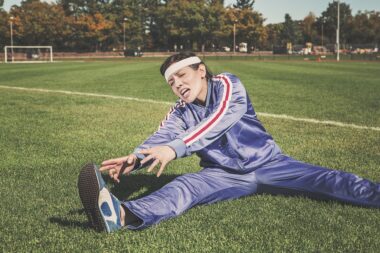
The mental aspect of training, often overlooked, plays a critical role in the successful application of bodyweight exercises. Developing a strong mindset can positively influence motivation and performance outcomes. Athletes should adopt a growth mindset, focusing on techniques to overcome challenges and emotional barriers in their training. Visualization techniques can enhance athletic performance by helping athletes mentally rehearse routines prior to execution. Incorporating mindfulness practices, like meditation or breathing exercises, can also improve focus during workouts. Additionally, implementing effective recovery practices like stretching, foam rolling, and adequate sleep support muscle recovery. Athletes must recognize that rest is just as important as training intensity; it promotes muscle repair and prevents injuries. Recovery should align with training phases, allowing sufficient adaptation to stimulus applied during workouts. For advanced bodyweight training, athletes can explore active recovery modalities, like yoga or low-intensity aerobic exercises, to facilitate recovery while maintaining overall activity levels. Being attuned to one’s body and listening to its signals paves the path for sustained progress and injury prevention. Incorporating a holistic approach addressing both mindset and recovery significantly enhances the effectiveness of calisthenics training.
In conclusion, exploring calisthenics for athletic performance improvement provides diverse benefits for advanced athletes. Bodyweight exercises challenge strength, agility, and coordination while ensuring versatility and accessibility. As athletes integrate these exercises into their training regimens, understanding the principles of progression, incorporating explosive movements, and adhering to sound nutritional strategies becomes essential. Additionally, fostering the right mindset, emphasizing recovery, and utilizing proper food choices cultivates a comprehensive approach to performance enhancement. Anyone engaging in advanced bodyweight training must remain adaptable and open to changes, constantly seeking new challenges to stimulate growth. Calisthenics training may lead to significant gains both physically and mentally. Athletes are encouraged to be patient and persistent while solidifying their mastery of complex bodyweight skills. Ultimately, building a lifestyle around these training principles allows athletes to reach their full potential while enhancing their overall athletic performance. As calisthenics continues to evolve, embracing its various components will elevate standards and results for athletes seeking elite performance. By investing time and effort into this training modality, individuals can position themselves on a pathway to excellence in their respective sports.
The world of bodyweight training is continually developing, and advanced athletes must stay informed about emerging techniques and insights. Engaging with the calisthenics community through workshops, online forums, or social media platforms can provide valuable resources and motivation. Networking with fellow athletes may lead to skill exchanges, collaborative workouts, and sharing effective training strategies. Athletes can also benefit from following prominent figures within the bodyweight community. This exposure helps create a sense of belonging and stimulates continual improvement. Furthermore, keeping track of training progress through journals or apps provides insights into personal development, allowing athletes to adjust their routines effectively. Routine evaluation nurtures adaptability, ensuring the training remains relevant and impactful. Emphasizing progress over perfection in gym or outdoor settings fosters a positive training environment. Ultimately, the journey towards mastering calisthenics is a deeply personal experience shaped by individual goals. Commitment, hard work, and disciplined practice can yield powerful transformations. The pursuit of excellence in athletic performance through bodyweight exercises holds immense potential, and those willing to embrace this journey can unlock new heights of success.